The true essence of prayer extends beyond merely presenting requests and receiving immediate answers. It is primarily about cultivating a deep, personal intimacy with God. Just as we learn to understand the heart of those we spend time with, so too do we come to know God's heart more fully as we linger in His presence and immerse ourselves in His Word. His communication with us is often less about booming pronouncements and more about shaping our hearts to align with His. This journey of understanding His will and purpose unfolds as we draw closer to Him.
Ephesians 1:9–10 (ESV)
9 making known to us the mystery of his will, according to his purpose, which he set forth in Christ 10 as a plan for the fullness of time, to unite all things in him, things in heaven and things on earth.
Reflection: When you approach God in prayer, what is one specific area where you tend to focus more on getting answers than on simply being present with Him? What might it look like to intentionally shift your focus towards building intimacy in that area this week?
Often, the word "desire" carries negative connotations, but desiring God's presence and His will is a beautiful and transformative thing. God actively works to develop our desires, shaping them to align with His own purposes. As we spend more time in His presence, our hearts begin to long for what He longs for, and our aspirations are birthed from a deeper relationship with Him. This process allows us to walk in His plans, seeing His will accomplished through our lives.
Psalm 27:4 (ESV)
4 One thing have I asked of the LORD, that will I seek after: that I may dwell in the house of the LORD all the days of my life, to gaze upon the beauty of the LORD and to inquire in his temple.
Reflection: What is one area of your life where you sense God might be inviting you to cultivate a new or deeper desire for His presence and will? How might you intentionally create space this week to allow that desire to grow?
Prayer is a powerful avenue through which we can leverage heaven's resources, transforming seemingly impossible situations into God-sized victories. When faced with overwhelming circumstances, the faithful prayers of God's people can bring about miraculous intervention. Even when fear and doubt are present, persistent prayer invites God to act in ways that defy human logic and expectation. It is in these moments of desperation that we are called to pray, trusting that heaven will respond.
Acts 12:5–10 (ESV)
5 So Peter was kept in prison, but earnest prayer for him was made to God by the church. 6 Now when Herod was about to bring him out, on that very night, Peter was sleeping between two soldiers, bound with two chains, and sentries before the door were guarding the prison. 7 And behold, an angel of the Lord stood by him, and a light shone in the cell. He struck Peter on the side and woke him, saying, “Get up quickly!” And the chains fell off his hands. 8 And the angel said to him, “Dress yourself and put on your sandals.” And he did so. And he said to him, “Wrap your cloak around you and follow me.” 9 And he went out and followed him. He did not know that what was being done by the angel was real, but thought he was seeing a vision. 10 When they had passed the first and the second guard, they came to the iron gate leading into the city. It opened for them of its own accord, and they went out and went along one street, and immediately the angel left him.
Reflection: Consider an "impossible" situation in your life or the life of someone you know that feels beyond human solution. How might you specifically pray for God's intervention in that situation this week, believing for a God-sized victory?
Life inevitably brings seasons of anguish and distress, and how we process this pain is crucial. While some may respond to grief by withdrawing or seeking temporary escape, Jesus modeled a different path: processing His deepest pain in the presence of the Father. Similarly, when David faced betrayal and immense loss, he didn't turn to others first, but strengthened himself in the Lord his God. In His presence, we find not only comfort but also the encouragement and direction needed to navigate our hurts and move forward.
Luke 22:45–46 (NLT)
45 At last he stood up again and returned to the disciples, only to find them asleep, exhausted from grief. 46 “Why are you sleeping?” he asked them. “Get up and pray, so that you will not give in to temptation.”
Reflection: When you experience significant pain or distress, what is your typical first response? What is one practical step you can take this week to intentionally bring your pain into God's presence for strength and direction, rather than seeking other avenues first?
Growing in our prayer lives doesn't require perfection from the start; it's a journey of small, consistent steps. The Lord's Prayer provides a beautiful model, which can be remembered through the simple acronym ACTS: Adoration, Confession, Thanksgiving, and Supplication. Begin by adoring God for who He is, then confess any areas where you've fallen short, express gratitude for His goodness, and finally, bring your needs and concerns before Him. Embracing this framework, little by little, will lead to profound transformation in your relationship with God.
Matthew 6:9–13 (ESV)
9 Pray then like this: “Our Father in heaven, hallowed be your name. 10 Your kingdom come, your will be done, on earth as it is in heaven. 11 Give us this day our daily bread, 12 and forgive us our debts, as we also have forgiven our debtors. 13 And lead us not into temptation, but deliver us from evil.
Reflection: Which part of the ACTS model (Adoration, Confession, Thanksgiving, or Supplication) do you find yourself neglecting most often in your prayer life? What is one small, concrete action you can take today to intentionally incorporate that element into your prayer time?
A new series frames spiritual growth as a long-game process: small, consistent habits reshape health, finances, marriage and the inner life far more than dramatic, short-term efforts. Spiritual formation follows the same pattern—God shapes character through gradual development rather than instant fixes, likened to a crockpot rather than a microwave. Prayer receives focus as the first practical arena for this slow work; its primary purpose lies not in a checklist of answers but in cultivating intimacy with God so desires, affections, and obedience align with his will.
Hearing God seldom arrives as audible commands; familiarity with Scripture and repeated presence before God form the language of divine guidance. Four New Testament growth areas—knowledge of the Lord, grace, grateful understanding of salvation, and experience of his love—emerge from persistent time in the Spirit. Biblical examples show prayer’s power and shape: the early church’s earnest praying in Acts 12 leverages heaven’s resources to produce an astonishing rescue, yet the church initially doubts the answer; Jesus in Gethsemane models processing extreme pain through communing with the Father rather than escaping by sleep; and David, crushed and opposed, “strengthened himself in the Lord” before seeking direction and securing victory in 1 Samuel 30.
Prayer practice receives a simple, memorable structure drawn from the Lord’s Prayer and summarized by the acronym ACTS—Adoration, Confession, Thanksgiving, Supplication. Adoration reorients worship toward God’s holiness; Confession clears the heart to receive guidance; Thanksgiving cultivates perspective and praise; Supplication brings needs into God’s hands and becomes the place to process pain. Growth will not be flawless at first, but incremental adoption of this rhythm produces deep change over years. An invitation closes the time: begin now, even briefly, walk through ACTS, seek the community’s prayer support, and allow daily, small disciplines to reshape desire, resilience, and obedience to God’s purposes.
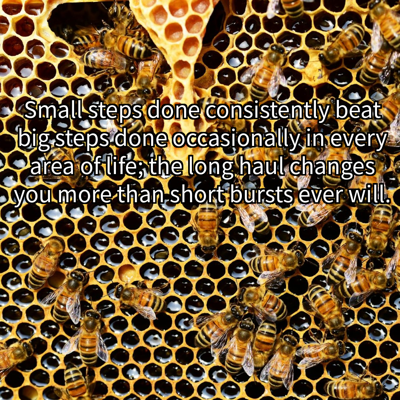
Small steps done consistently beat big steps done occasionally in every area of life; the long haul changes you more than short bursts ever will.
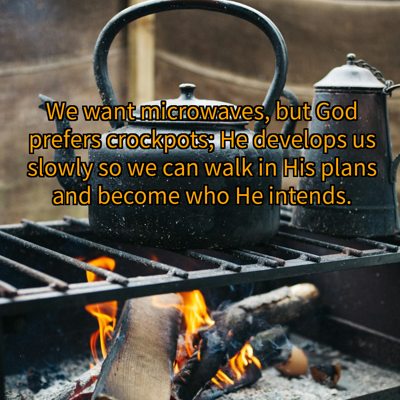
We want microwaves, but God prefers crockpots; He develops us slowly so we can walk in His plans and become who He intends.

Prayer isn’t about getting answers; it’s about building intimacy with God — shaping our hearts before our minds and aligning our desires with His.

The main purpose for God communicating with us is for our heart before it is for our brains; relationship transforms understanding.

God wants to develop our desires so we long to be in His presence, because desire birthed in relationship leads to cultural change.
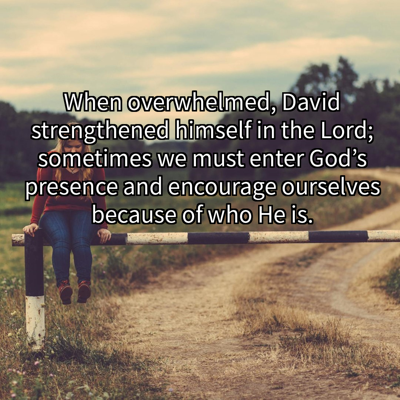
When overwhelmed, David strengthened himself in the Lord; sometimes we must enter God’s presence and encourage ourselves because of who He is.
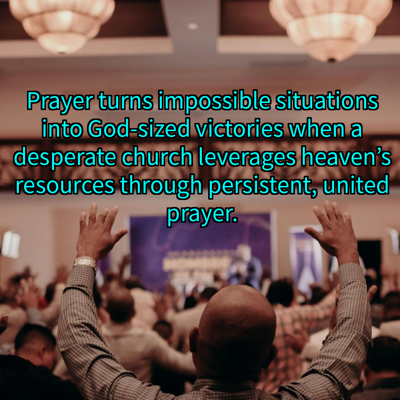
Prayer turns impossible situations into God-sized victories when a desperate church leverages heaven’s resources through persistent, united prayer.
Often hearing God isn’t audible words; it’s learning from His presence over time until our hearts recognize and respond to His will.
How do you process the pain of life — with podcasts and people, or by getting into God’s presence and seeking Him in prayer?
Add this chatbot onto your site with the embed code below
<iframe frameborder="0" src="https://pastors.ai/sermonWidget/sermon/little-by-little-week-1" width="100%" height="100%" style="height:100vh;"></iframe>Copy