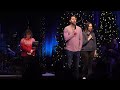
Today we celebrated Jesus’ pursuing love and the beauty of new life in Him, then turned our hearts to one of the deepest longings we carry: healing. Our world feels like Svalbard in polar night—beautiful, but overshadowed by darkness. Scripture names that ache and answers it: “The people who walked in darkness have seen a great light.” In the hush of the extinguished lamps at the Feast of Booths, Jesus stood and said, “I am the light of the world.” He isn’t merely commentary on the darkness; He is the Light that drives it back, bringing life—zoe—fullness, wholeness, and restoration.
I shared my own story of realizing I knew facts about God but didn’t know Him. Years of searching ended one winter night when I cried out to Jesus and His presence flooded my soul. That is what He delights to do: break spiritual darkness with Himself. He invites us to believe—not as a vague sentiment, but a surrender to the crucified and risen Lord who gives eternal life now.
His light doesn’t stop at our spirit; it renews our minds. Sin warped our perception of reality, leaving us vulnerable to lies. The Spirit uses the Word as light to retrain our mental reflexes, displacing condemnation with adoption, isolation with presence, and self-reliance with Spirit-empowered dependence. As we meditate, memorize, and obey Scripture, our thinking is re-formed and our lives regain alignment with truth.
We also opened our hands to physical healing. The prophets foresaw a day when the “sun of righteousness” would rise with healing in its wings, and the Gospels show Jesus fulfilling it—healing bodies as a sign of the Kingdom’s arrival. Matthew ties those healings to the atonement itself. Because Jesus bore our sin, griefs, and diseases, we ask boldly. Not everyone is healed every time, but the command remains: call the elders, be anointed, and keep asking. We will not let disappointment harden our hope.
So we asked—right in the room—for Jesus’ light to flood spiritual, mental, emotional, and physical darkness. We worshiped, we prayed, and we made room for God. And we extended the table: take an invite card, bring someone with you. Let the light that has found us flow through us into a searching world.
Key Takeaways
- 1. Jesus, the Light, dispels darkness He steps into real history and real pain, not as a symbol but as the self-revealed I AM who overcomes the gloom. When He speaks, darkness loses its claim and hope gains substance. His light is not fragile—it restores what sin has unraveled and reorders what chaos has distorted. [52:35]
- 2. Invite Him into spiritual darkness Information about God cannot substitute for communion with God. Believing is the door through which His life enters, and He is ready to meet you in the exact place you are. Don’t wait for better conditions; ask Him now, and receive the life only He can give. [1:03:01]
- 3. Renew your mind with Scripture The fall didn’t just wound our hearts; it fogged our perception. God’s Word functions as light, cutting through lies and retraining our mental reflexes toward truth. As Scripture saturates our thoughts, condemnation gives way to sonship, and self-reliance yields to Spirit-empowered dependence. [1:10:22]
- 4. Ask boldly for physical healing Jesus’ atonement is the wellspring of all healing, and He still moves in bodies as well as souls. Not every prayer results in instant wholeness, yet our assignment is clear: call the elders, be anointed, and keep asking in faith. Persistent petition is not presumption; it’s obedience to a faithful God. [1:22:00]
- 5. Extend the table of grace Light is meant to spread, not be stored. Make room in your rhythms, your row, and your relationships so others can encounter Jesus. A simple invitation can be the doorway to someone’s first steps out of darkness. [44:16]
Youtube Chapters