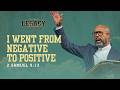
Second Samuel 9:13 puts Mephibosheth on the stage. The text seats a broken man in a royal place and lets a life move from negative to positive. Maya Angelou’s line, arriving on a nightmare praying for a dream, frames Mephibosheth’s story and a people’s memory. The nightmare has a name. Chapter 4 reports a war, a fall, and feet crippled by a drop he did not cause. The geography has a name too. Lo Debar means no pasture, an economic desert, the hood with no possibilities. Hip hop hears it right. From Grandmaster Flash to Biggie, the sound is struggle turned into testimony.
David then acts. The king asks if there is anyone from Saul’s house to whom he can show chesed. Chesed refuses to fit one English word. Love, mercy, justice, loyal kindness all converge as favor moving behind a back. Mephibosheth is minding broken business in Lo Debar while his name gets called in rooms he has never entered. Life is unfair. Favor interrupts. The name above every name makes the door swing on a different hinge. A hotel story becomes a parable. Access arrives because a lesser name lived under a greater name. That is what happens when a life lives under Jesus’ name.
David’s worship turns into policy. The anointed does advocacy. The king issues a public decree that repositions a disabled heir. Housing in the palace, a seat at the king’s table, servants to secure what had been lost. The move sounds like repair. Scripture knows that public policy shapes personal lives. If the earth is the Lord’s, then God speaks to how resources are distributed. The prophets and Jesus press nations on hungry bellies, poisoned water, caged strangers, and prisons for profit. The question stays sharp. Fight over hot sauce or plot a revolution toward real democracy.
The table finally shifts the image. Ancient tables sit low. Bodies recline. At the king’s table the upper body leans in to eat while broken feet fall behind. The table does not just cover brokenness. The table puts brokenness behind. A dead end can deliver too. A son runs to a father and deliverance arrives in the car. The Son goes to the Father and deliverance meets a world at its dead end. So the text sings with Biggie’s refrain. A life moves from negative to positive. Scripture confirms it. Joy comes in the morning. All things work together. Those who wait mount up.
Key Takeaways
- 1. Life is unfair, favor finds you. [34:50] God does not deny the reality of unfair drops, dead ends, and deserts. God subverts them. Chesed works behind backs and beyond deserts, calling names in rooms where no résumé could reach. The unfairness does not get the final word because favor keeps writing. [34:50]
- 2. Legacy moves people from negative to positive. [26:07] David searches Saul’s house and Mephibosheth walks into a future seeded by those before him. Fruit grows where someone else planted, and shade cools where someone else raised trees. Faithful history becomes a runway for new takeoffs, not a museum for old trophies. [26:07]
- 3. Advocacy and policy reposition the broken. [42:50] David’s devotion turns into public decree, and a life gets housing, a table, and economic repair. Piety without policy leaves Mephibosheth in Lo Debar. Love with structure turns mercy into outcomes that can be audited and inherited. [42:50]
- 4. Put your name under His. [42:26] Access changes when identity aligns under the name above every name. Standing under Jesus is not cosmetic branding, it is covenant covering that opens provision no status can purchase. Humility beneath His authority becomes the key that fits doors pride cannot unlock. [42:26]
- 5. At the King’s table, brokenness retreats. [53:37] Ancient posture shifts the picture. Reclining puts the feast in front and the fracture behind. Grace does more than hide wounds for company; it repositions them so purpose leads and pain follows. The meal becomes a daily practice of living forward. [53:37]
Youtube Chapters
- [00:00] - Welcome
- [01:30] - Prayer of gratitude for legacy
- [03:18] - Yielded clay in the Potter’s hands
- [08:56] - Text read: 2 Samuel 9:13
- [09:12] - From negative to positive
- [10:00] - Arrived on a nightmare
- [13:24] - Naming the nightmare and dead ends
- [19:30] - Mephibosheth dropped and displaced
- [23:30] - Lo Debar means no pasture
- [26:55] - Legacy opens doors at the table
- [30:35] - Life is unfair, favor breaks in
- [42:50] - Advocacy, policy, and reparative justice
- [52:16] - Reclining at the King’s table
- [54:13] - Deliverance at a dead end