London’s two-nation city sets the stage, but Ezekiel does the diagnosing. Ezekiel names Sodom’s guilt as pride, excess of food, and prosperous ease that refused to aid the poor and needy. Pride, excess, and ease sit at the root and grow a harvest of other detestable things. That diagnosis fits more than ancient Sodom. It fits any people who ignore faces and explain away need.
The vulnerable that God keeps bringing up are not an optional footnote. The law, the prophets, Jesus, and the early church put widows, orphans, foreigners, the poor, the sick, and prisoners right in the center of faithful life. Deuteronomy commands an open hand and fields left unharvested at the edges. Leviticus resets debts and generational traps. Amos says the songs stink when justice is missing. None of this cancels worship. It just says worship without mercy is worthless.
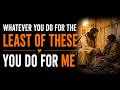
Jesus turns the volume up in Matthew 25. The King gathers the nations and ties himself to the least of these. “I was hungry… I was a stranger… I was in prison.” Care offered or care withheld lands on him. The separation of sheep and goats is not about religious polish. It is about concrete mercy meeting concrete need.
The early church understood. Pagans noticed. Emperor Julian grumbled that Christians out-loved everybody, especially strangers. Believers sought out exposed infants, adopted them, and remade a culture. Costly compassion, then and now, influences the world and reorients eternity. A Nazarene pastor tying a dying man to his motorcycle to reach a hospital is the same gospel in motion.
“People always came before policies” names the way of Jesus. Abstractions harden hearts. Faces soften them. When a refugee family has names and laughter and fear, the room for indifference shrinks. A simple spectrum helps the conscience tell the truth: hostility, indifference, tolerance, sympathy, compassion, love. Every person, family, church, and nation sits somewhere on that line with every vulnerable group.
The call is not handwringing over yesterday. The call is movement today. Learn a name. Listen to a story. Volunteer where help is organized. Share trustworthy information. Speak carefully and graciously when cynicism and contempt get loud. This is how a people sidestep Sodom’s sins and set their sights on Jesus. With eyes fixed on Jesus, words and actions begin to match his.
Key Takeaways
- 1. Sodom’s root sins: pride, excess, ease Ezekiel’s diagnosis refuses the usual deflections. Before any headline-grabbing vice, the rot is smug superiority, overconsumption, and comfort that looks away. That triad still explains much hard-heartedness toward the vulnerable and invites repentance at the root, not cosmetic tweaks. [04:55]
- 2. People come before policies Jesus keeps putting a name and a face in the middle of debates. When a neighbor’s story is heard, moral imagination wakes up and fear loses its grip. Love does not ignore prudence, but it refuses to let procedure excuse neglect. [11:16]
- 3. Worship collapses without justice Amos says songs without mercy smell foul to God. Liturgies and offerings cannot paper over closed hands and closed eyes. Integrity means the same God adored at the table is honored in the street by open-handed care. [11:49]
- 4. The church’s witness is concrete care History remembers Christians for costly, particular love that met abandoned children, strangers, and the sick with action. Such mercy is not marketing. It is obedience that reshapes laws, neighborhoods, and souls. [14:27]
- 5. Move along the love spectrum Every heart sits somewhere between hostility and love toward specific groups. Honest naming is step one, Spirit-led movement is step two. Small practices like learning names, volunteering, and careful speech train affections toward Christlike action. [23:19]
Youtube Chapters