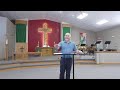
A congregation is guided through scripture, sacraments, and pastoral care toward both inward preparation and outward service. The liturgy opens with an invitation to prepare for Lent, a reminder of the coming forty-day season and a pastoral exhortation to use the preceding weeks to ready hearts for repentance and reflection. Worship moves through confession, absolution, and Holy Communion, anchoring the assembly in the forgiveness earned by Christ. The Gospel reading focuses on Jesus’ parable of the laborers in the vineyard: a landowner hires workers at different hours yet pays each the same wage, provoking grumbling from those who labored longest. The story is explored simply and directly—who the landowner represents, what the denarius signifies, and how human assumptions about merit collide with divine generosity.
The exegesis emphasizes God’s sovereignty in dispensing mercy, warning against begrudging comparisons among those who receive the same gift of salvation. The preacher challenges listeners to examine motives: zeal that seeks proximity to the Lord versus an attitude that measures worth by visible reward. Rather than reducing discipleship to transactional calculations, the text reframes labor in the kingdom as participation in the presence of the Lord—being with the owner is itself a portion of the gift. Practical application encourages steady faithfulness: show up, serve consistently, and allow the Spirit to correct attitudes of envy or entitlement.
Intercessions follow, including a special collect for a troubled district and a broad list of names, asserting the church’s calling to bear one another’s burdens in prayer. Announcements point to congregational rhythms—Ash Wednesday, midweek study, childcare needs—and practical ministry, including construction and leadership roles. The service concludes by installing officers, charging them with faithful stewardship and orderly care of the congregation, then sending the people with a blessing and a final song inviting participation by children. Throughout, the tone remains pastoral and pastoral-conversational: firm in doctrine, tender in pastoral care, and centered on the grace that equalizes sinners before God while calling them into faithful, communal service.
Key Takeaways
- 1. God's generosity exceeds human metrics Pride and entitlement fracture worship when people demand “what’s fair” by earthly standards. The parable exposes a deeper reality: God defines the economy of grace, not human tallying. The equal wage underscores that salvation is a gift beyond proportional earning; it reframes jealousy as a spiritual blindness to mercy. Allow that dissonance to lead to repentance and wonder rather than complaint. [44:30]
- 2. Equality of gift, difference of relationship All receive the same standing before God, but the length and depth of fellowship with the Lord differ. Those who labor longer enjoy sustained presence and formation that a late hour cannot retroactively supply. Salvation’s equality does not erase the relational benefits of persistent devotion—intimacy, maturity, and testimony accrue in time spent with the Master. Let this provoke gratitude for both gift and growth. [45:28]
- 3. Beware grudging service attitudes Resentment toward others’ reception of grace often reveals a heart measuring worth by works. Such attitudes corrupt community, turning ministry into competition instead of shared vocation. Confession and repentance are required remedies; cultivate humility by remembering personal unmerited pardon. Examine motives whenever comparisons sour service into bitterness. [45:05]
- 4. Show up — be present daily Consistent presence before the Lord shapes character more than episodic bursts of zeal. The vineyard rewards proximity and partnership in labor, not merely performance for a payday. Spiritual formation is ordinary and cumulative; faithfulness in small, repeated acts becomes the substrate for lasting fruit. Answer the ongoing invitation to work in the kingdom. [46:50]
Youtube Chapters
- [00:00] - Welcome
- [00:13] - Lent: a three‑week countdown
- [01:40] - Invocation & opening worship
- [11:36] - Confession and absolution
- [12:59] - Holy Communion (Words of Institution)
- [23:19] - Scripture readings
- [27:05] - Gospel: Parable of the Laborers
- [30:23] - Children's message
- [33:25] - Why Jesus taught in parables
- [36:27] - Unpacking the vineyard story
- [44:21] - The landowner’s generosity explained
- [46:50] - Application: service and attitude
- [47:37] - Prayers & special collect
- [54:03] - Announcements & community needs
- [58:06] - Installation of officers and blessing