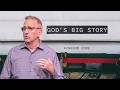
The service invites believers to surrender every part of their lives to Christ, presenting baptism and membership as public acts of giving oneself to the Lord. Scripture unfolds as a six-act drama: creation, the fall, Israel, Jesus, the church, and the return. Each act clarifies God’s work—how sin fractured four core relationships (with God, with others, within the self, and with creation) and how Jesus’ life, death, and resurrection begin the long repair. The present age belongs to the church, called to embody and announce the kingdom while awaiting the final act when Christ returns and makes all things new.
Revelation 21–22 paints the return as concrete hope: a new heaven and new earth where God dwells permanently among his people, death and pain end, the river of life flows, and the tree of life brings healing to the nations. This vision answers the ache of loss and the injustice of the present by promising final restoration and communion with God face to face. Judgment appears as part of that restoration—God will set wrongs right, and justice will not be overlooked. Yet rescue precedes verdict: Christ took the sentence meant for humanity so that those who receive him enter the renewed creation rather than condemnation.
Knowing the story’s end changes how believers live now. Confidence in the outcome eases fear in grief, loss, and suffering and calls Christians to “overcome” by faithful endurance, not perfection. The message presses for active response: surrender personal kingdoms to Christ, live as a reconciled people in anticipation of the new world, support those publicly committing through baptism and membership, and keep faith steady amid hardship. The liturgy closes by baptizing new members and inviting the congregation into ongoing mutual care, urging all to participate in the unfolding story until the final reunion when every broken thing becomes whole.
Key Takeaways
- 1. Give your whole self to God Surrender goes beyond finances; it means offering identity, time, and allegiance. Baptism and membership symbolize dying to self-rule and rising to live under Christ’s kingship. This discipleship calls for daily choices that align love, work, and relationships under God’s reign. [26:16]
- 2. Know the Bible’s six-act story Viewing Scripture as a unified six-act narrative reframes isolated passages into a coherent promise. That shape—creation, fall, Israel, Jesus, church, return—helps believers see trials as a middle act, not the ending. Remembering the arc steadies faith and grounds hope in a trustworthy conclusion. [30:11]
- 3. God restores four broken relationships Redemption moves systematically: it restores relationship with God, heals conflicts among people, renews the inner life, and renews creation itself. The vision of one diverse people reconciled removes hostility without erasing difference and offers deep inner healing from shame. Expect renewal that transforms social, personal, and ecological wounds. [37:37]
- 4. Judgment affirms justice and hope Judgment does not merely punish; it guarantees that God notices every wrong and will right it. For those who trust Christ, judgment becomes vindication and closure rather than final separation. This reassurance fuels persistence in suffering and shapes compassionate longing for the day all things are made right. [53:27]
Youtube Chapters
- [00:00] - Welcome
- [25:56] - Baptism and giving of self
- [30:11] - Six-Act overview of Scripture
- [31:11] - Creation through Jesus (Acts 1–4)
- [33:02] - The Church: Act Five
- [35:14] - The Return: Revelation 21 reading
- [36:25] - River of life and tree of life
- [37:37] - Healing the four relationships
- [47:01] - Assurance: Knowing the end
- [53:27] - Judgment as restoration
- [57:00] - Call to surrender and membership
- [62:23] - Baptism, membership, and closing prayer