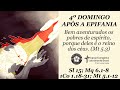
Here is a Bible study guide based on the sermon summary:
Bible ReadingMiquéias 6:8"He has shown you, O mortal, what is good. And what does the Lord require of you? To act justly and to love mercy and to walk humbly with your God."
Mateus 5:3-12"Blessed are the poor in spirit, for theirs is the kingdom of heaven.
Blessed are those who mourn, for they will be comforted.
Blessed are the meek, for they will inherit the earth.
Blessed are those who hunger and thirst for righteousness, for they will be filled.
Blessed are the merciful, for they will be shown mercy.
Blessed are the pure in heart, for they will see God.
Blessed are the peacemakers, for they will be called children of God.
Blessed are those who are persecuted because of righteousness, for theirs is the kingdom of heaven.
Blessed are you when people insult you, persecute you and falsely say all kinds of evil against you because of me. Rejoice and be glad, because great is your reward in heaven, for in the same way they persecuted the prophets who were before you."
1 Coríntios 1:18, 23-25"For the message of the cross is foolishness to those who are perishing, but to us who are being saved it is the power of God... but we preach Christ crucified: a stumbling block to Jews and a foolishness to Gentiles, but to those whom God has called, both Jews and Greeks, Christ the power of God and the wisdom of God."
Observation questions- The Psalmist asks, "Who may dwell in your sacred tent? Who may live on your holy mountain?" What are the characteristics of the person who is described as having the right to dwell there? [12:09]
- Miquéias 6:8 states that God has shown us what is good and what He requires. What are the three specific actions God requires of us according to this verse?
- Jesus begins the Beatitudes by saying, "Blessed are the poor in spirit, for theirs is the kingdom of heaven." What does it mean to be "poor in spirit" in the context of the sermon? [50:50]
- The sermon highlights that true piety is not external moralism but a transformed life. How does the reading from 1 Corinthians 1:18, 23-25 support this idea by contrasting the world's view of the cross with the believer's view?
Interpretation questions- The sermon emphasizes that true justice is not something earned by human merit but received in Christ. How does the concept of Christ's suffering and death replacing the judgment due to sinners explain our ability to dwell in God's kingdom? [53:19]
- The sermon presents Miquéias 6:8 not as an abstract motto but as a daily guide. How does the idea of "doing what is right" and "making justice" connect with the concept of living a life of intention, as mentioned in the sermon? [49:28]
- The Beatitudes describe a calling that has an eschatological perspective, meaning present suffering for faithfulness is not final defeat but a prelude to divine reward. How does Jesus' statement, "Blessed are those who are persecuted because of righteousness, for theirs is the kingdom of heaven," offer comfort and perspective in the face of present difficulties? [33:16]
- The sermon suggests that the cross is called "foolishness" to the world but wisdom and power to believers. How does this contrast help us understand why the world might not grasp the Christian call to justice, mercy, and humility? [53:19]
Application questions- The sermon calls us to recognize our spiritual poverty, admitting our inability and dependence on God. In what specific areas of your life do you find it most challenging to admit your need for God's grace?
- We are called to practice justice, which involves defending the vulnerable and treating others with dignity. Can you identify a specific situation in your daily life (family, work, social media) where you can actively choose to promote justice and dignity this week? [49:28]
- The sermon highlights that Christ's righteousness is imputed to us, meaning we receive it by faith. How does this truth free you to live a life of practical obedience, rather than striving for self-righteousness? [53:56]
- The call is to live out mercy, justice, and humility as a public testimony of the gospel. What is one tangible way you can intentionally practice these three virtues in your relationships this week? [55:21]
- The sermon mentions that the world often judges us, but we are called to point to Christ, who justifies and sanctifies us. When you face criticism or judgment, how can you shift your focus from defending yourself to pointing others to Christ's work? [59:00]
- The Beatitudes remind us that suffering for faithfulness to the Kingdom is not a final defeat but a sign of future reward. How can this perspective help you persevere when you face challenges or persecution for living out your faith? [33:16]
- The sermon encourages us to be light in an unjust world through concrete actions. What is one specific action you can take this week to promote justice, show mercy, or cultivate humility in your community?