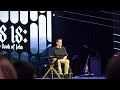
John’s Gospel opens by declaring that the Word became flesh: the eternal Logos entered history, not as a created being but as the Creator incarnate. The text insists on Jesus’ full deity and full humanity so that readers grasp both his authority and his compassion. Logos communicates the power that binds creation; it shows truth lived out in a human life. That incarnation proves that doctrine matters—Jesus taught with divine authority, and his life supplies the standard for faithful imitation.
John contrasts two widespread errors: treating Jesus merely as a wise teacher or reducing him to an appealing image shaped by culture. The gospel presses the case that Jesus existed before Abraham, participated in creation, and reveals the Father. From this foundation, the narrative begins to sketch the Trinity: distinct persons—Father, Son, and Spirit—yet one God who operates with unity of heart and purpose.
The Gospel also insists that Jesus embodies both grace and truth without compromise. Grace rescues the helpless; truth orients the rescued toward holiness. Neither grace without truth nor truth without grace matches the incarnate Lord. The tension between both must shape discipleship: humility toward law and mercy toward sinners should coexist, producing correction that restores rather than condemns.
Finally, incarnation theology produces practical response. The Gospel calls people to surrender areas of life where they act as their own god—holding decisions, rights, or reputations above Christ’s lordship. Public baptism serves as a visible line in the sand: dying to old patterns and rising to new life under Christ’s rule. That step marks the believer’s commitment to let the one who made all things be the one who truly governs every area of life.
Key Takeaways
- 1. Jesus is God incarnate John declares that the Word did not begin at creation but existed before it and entered human history. Recognizing Jesus as God changes how his teachings hold authority: they are not optional advice but the speech of the One who made everything. This realization demands reordering loyalties and submitting daily choices to divine rule. [32:03]
- 2. The Word preexisted creation The Gospel emphasizes that the Logos already was when the beginning occurred, making clear that Jesus is not a creature but the agent of creation. Seeing Jesus as preexistent shapes worship, trust, and the assurance that redemption comes from One with ultimate power. It reframes suffering and failure under the governance of a sustaining, sovereign Lord. [34:00]
- 3. Fully grace and fully truth John frames Jesus as “full of grace and truth,” rejecting any caricature that favors only mercy or only moralism. True discipleship requires both compassionate restoration and clear moral direction; grace without correction preserves sin, while truth without mercy hardens hearts. Maintaining this tension cultivates a character that reflects the fullness of Christ. [42:55]
- 4. Surrender public through baptism Baptism functions as a public declaration that a person relinquishes personal rule and accepts Christ’s lordship. It symbolizes dying to an old self and rising to live under God’s authority, not as a ticket to perfection but as a commitment to follow. The act anchors conversion in community and challenges the baptized to ongoing obedience. [51:28]
Youtube Chapters
- [00:00] - Welcome
- [28:01] - Jesus often misunderstood
- [30:03] - Main idea: fully God; grace & truth
- [31:35] - John 1:1 explained
- [33:05] - Logos: meaning for Greeks and Jews
- [34:00] - Preexistence and creation through the Word
- [36:07] - Introducing the Trinity
- [42:55] - Full of grace and truth
- [45:58] - Dangers of truth-only and grace-only
- [51:28] - What baptism represents
- [1:03:14] - Invitation to be baptized
- [1:15:07] - Closing prayer and dismissal