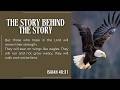
Isaiah 40:31 provides the backbone for a reflection on waiting, renewal, and endurance rooted in biblical imagery. The Hebrew verb kava frames waiting as active expectancy — a trust-filled posture rather than passive delay. God’s timing functions like a deliberate chef: good things unfold in ordered steps, and waiting refines desire into hope. Renewal does not restore youthful vigor as a rewind; it grants a new, seasoned strength that fits current seasons of life, producing stamina shaped by trials rather than a return to former potency.
The eagle image becomes the central metaphor: eagles molt, discard damaged feathers, and grow replacements that enable loftier flight. Spiritual renewal requires pruning of resentment, bitterness, and past wounds so fresh feathers can emerge. The promise to “mount up with wings as eagles” points to a transformation that follows a vulnerable season — apparent weakness precedes soaring power. Running without weariness and walking without fainting connects that renewed strength to real life: long deserts, ambushes in valleys, and the weary trail of exile or suffering become contexts in which God supplies enduring stamina.
Historical context sharpens the promise: Isaiah spoke words of comfort to exiles who felt forgotten, offering a future when God’s people would be renewed. Suffering appears as discipline and preparation, not arbitrary punishment; the promised land ultimately centers in divine consummation rather than present ease. The call to active waiting and steady endurance asks for honest letting-go of the past, faithful expectation for what God will do, and patience for the timing of renewal that enables renewed mission and confident ascent.
Key Takeaways
- 1. Wait with expectant, active trust Active waiting (Hebrew kava) means hoping with preparedness and confidence, not passive resignation. Expectation aligns the heart to God’s timing, transforming impatience into steady readiness. This posture cultivates trust that God’s answer will come in the season most fit for growth and mission. [32:21]
- 2. Renewal brings a different strength Renewal supplies strength appropriate to present age and calling rather than restoring former youth. This strength shows up as resilience, wisdom, and stamina shaped by hardship. It reframes loss or decline as soil for a new capacity that outperforms mere nostalgia. [36:11]
- 3. Let go of old feathers Molting requires shedding injured parts of identity—bitterness, shame, and unresolved hurts—that hinder flight. Releasing the past opens space for new spiritual growth and healthier patterns of love and service. The act of letting go invites God’s restorative work to form more functional, durable feathers. [43:10]
- 4. Run and walk without fainting Endurance applies to both urgent sprinting and steady pilgrimage: God equips for seasons of intense trial and for long, faithful journeys through deserts. Endurance is trained in ordinary faithfulness and found in the promise that God renews strength mid-wilderness. This courage sustains mission when outcomes remain uncertain. [50:20]
Youtube Chapters
- [00:00] - Welcome
- [24:54] - Verse selection and Lent context
- [26:01] - Reading Isaiah 40:31 and prayer
- [28:12] - Focus on the word “wait”
- [32:21] - Hebrew “kava”: active waiting
- [33:35] - Everyday examples of waiting
- [36:11] - Meaning of “renew” explained
- [39:19] - Eagle imagery introduced
- [43:10] - Eagle molting and letting go
- [50:20] - Run and walk: endurance themes
- [60:21] - Isaiah’s background and purpose
- [71:08] - Reflection, prayer, and closing