Bible Study Discussion Guide
Bible Reading-
Psalm 103:1-5 (ESV) Bless the Lord, O my soul,
and all that is within me,
bless his holy name!
Bless the Lord, O my soul,
and forget not all his benefits,
who forgives all your iniquity,
who heals all your diseases,
who redeems your life from the pit,
who crowns you with steadfast love and mercy,
who satisfies you with good
so that your youth is renewed like the eagle’s.
-
1 Chronicles 29:1-3, 10-14 (ESV) And David the king said to all the assembly, “Solomon my son, whom alone God has chosen, is young and inexperienced, and the work is great, for the palace will not be for man but for the Lord God. So I have provided for the house of my God so far as I was able, the gold for the things of gold, the silver for the things of silver, and the bronze for the things of bronze, the iron for the things of iron, and wood for the things of wood, besides great quantities of onyx and stones for setting, antimony, colored stones, all sorts of precious stones and marble. Moreover, in addition to all that I have provided for the holy house, I have a treasure of my own of gold and silver, and because of my devotion to the house of my God I give it to the house of my God...
...Therefore David blessed the Lord in the presence of all the assembly. And David said: “Blessed are you, O Lord, the God of Israel our father, forever and ever. Yours, O Lord, is the greatness and the power and the glory and the victory and the majesty, for all that is in the heavens and in the earth is yours. Yours is the kingdom, O Lord, and you are exalted as head above all. Both riches and honor come from you, and you rule over all. In your hand are power and might, and in your hand it is to make great and to give strength to all. And now we thank you, our God, and praise your glorious name. But who am I, and what is my people, that we should be able thus to offer willingly? For all things come from you, and of your own have we given you.”
-
Matthew 6:19-21 (ESV) “Do not lay up for yourselves treasures on earth, where moth and rust destroy and where thieves break in and steal, but lay up for yourselves treasures in heaven, where neither moth nor rust destroys and where thieves do not break in and steal. For where your treasure is, there your heart will be also.”
Observation Questions- According to 1 Chronicles 29, what motivated David to give so generously for the building of God’s house? [35:08]
- In Psalm 103, what are some of the specific ways God is described as redeeming and blessing His people? [27:36]
- In Matthew 6:19-21, what does Jesus say about the relationship between our treasure and our heart? [42:24]
- The sermon mentioned that David’s journey included both “caves” and “crowns.” What role did the “cave” experiences play in David’s life? [32:56]
Interpretation Questions- Why does David emphasize that everything he and the people give is already God’s in 1 Chronicles 29:14? How does this perspective change the way someone might view their own resources? [38:22]
- The sermon says, “Giving starts with affection, not obligation.” What does it mean for giving to flow from affection rather than duty? How might this look different in someone’s life? [35:08]
- Jesus says, “Where your treasure is, there your heart will be also.” How does this principle challenge the way people make decisions about money, time, or talents? [42:50]
- The sermon describes giving as an act of worship and trust. In what ways can generosity be a form of worship, and how does it demonstrate trust in God? [45:19]
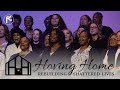
Application Questions- The women from the Walter Hoving Home shared how God redeemed their lives from the “pit.” Is there an area of your life where you need to experience God’s redeeming power? What would it look like to invite Him into that area? [27:36]
- David’s giving was motivated by his deep affection for God, not by obligation. When you think about your own giving—whether time, money, or service—what usually motivates you? How could you shift your motivation to be more about love and gratitude? [35:08]
- The sermon challenged us to see ourselves as stewards, not owners. Is there something in your life (finances, possessions, abilities) that you tend to hold onto tightly? What would it look like to release it to God’s purposes? [38:22]
- The principle of multiplication was illustrated by the story of the boy’s lunch in John 6. Is there a “small” resource or gift you have that you’ve been hesitant to offer to God? What step could you take this week to release it into His hands? [41:41]
- Jesus said our hearts follow our treasure. Looking at your calendar and bank statement, where would you say your heart is currently invested? Is there a change you feel prompted to make to align your heart more with God’s priorities? [42:50]
- The sermon described giving as a “fragrant offering” and an act of worship. What is one practical way you can make your giving (of any kind) more intentional as an act of worship this month? [45:19]
- In a world where “taking is common,” the sermon called us to be people who overflow with generosity. Can you think of a recent opportunity to be generous that you missed or ignored? What could you do differently next time? [46:38]