Jesus makes poverty personal in Matthew 25. The hungry, the thirsty, the stranger, and the person without a home are not simply people who need help. Jesus says he is there. Belief in his words takes shape when believers see him where he promised to be and respond to him there.
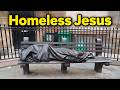
The homeless Jesus sculpture gives that claim a concrete form. A figure lies on a bench, face hidden, recognizable only by the nail wounds in his feet. The empty space beside him offers a place to sit. Yet the first sculpture spent a year in a crate because no one wanted it. The discomfort exposes how hard it can be to recognize Jesus in the people he identifies with. For unhoused people who claimed the sculpture as their own, that same image became a place of belonging and prayer.
Compassion grows through relationships, not simply through giving things away. Millbrook’s history includes people sleeping in church pews, Thursday lunches with neighbors living near the railroad, showers, laundry, friendship, and care through illness and death. These relationships reveal that everybody has a story worth hearing. Compassion learns to stand in awe at what the poor carry rather than stand in judgment at how they carry it.
A letter from hungry neighbors helped give rise to a food pantry and a community meal marked by dignity and welcome. Now a 98-bed shelter across the street brings another call to respond. A safe bed matters, but the shelter cannot provide meals or space for fellowship, recovery meetings, prayer, or education.
Christ’s presence among these neighbors calls the church to turn toward people even when turning away feels easier. Buildings, finances, and people are gifts from God, given for God’s purposes. Faith becomes tangible as those resources serve the people in whom Jesus promised to be present.
Key Takeaways
- 1. Jesus Makes Poverty Deeply Personal. Matthew 25 does more than repeat the command to help the poor. Jesus identifies himself with people whose hunger, thirst, and lack of shelter can otherwise remain somebody else’s problem. Belief in his words calls for recognition and action, not agreement kept at a comfortable distance. [06:34]
- 2. An Unwanted Statue Becomes A Pew. The homeless Jesus sculpture initially met anger and rejection, yet unhoused people recognized it as their own. One person called the bench a pew and made it a place of prayer. The contrast exposes how an image that makes some Christians uncomfortable can give people without shelter a powerful sense of belonging. [05:52]
- 3. Compassion Listens Before It Passes Judgment. Regular lunches grew into friendships with people whose lives could not be reduced to their housing situation. Those friendships included laughter, worship, marriage, illness, grief, and remembrance. Compassion takes time to hear those stories and stands in awe at what people carry rather than judging how they carry it. [13:35]
- 4. A Safe Bed Is A Beginning. The shelter across the street offers protection from danger and death, along with help toward next steps. Its limits remain real: no meals and no gathering space for recovery, prayer, or education. The church’s nearby buildings, resources, and people therefore represent an opportunity to respond to needs that an overnight bed alone cannot meet. [17:25]
Youtube Chapters
- [00:00] - Welcome
- [03:24] - Matthew 25 Makes Poverty Personal
- [04:02] - The Homeless Jesus Sculpture
- [06:34] - Recognizing Christ Across the Street
- [08:17] - Thursday Lunches Become Lasting Friendships
- [13:35] - Compassion Without Judgment
- [14:16] - A Letter From Hungry Neighbors
- [15:53] - The Food Pantry and Mom’s Kitchen
- [17:00] - What the Overnight Shelter Cannot Provide
- [18:34] - Turning Toward Christ in Neighbors