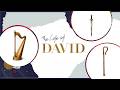
Second Samuel brings David to the place where the thing he had done displeased the Lord. David had covered his tracks, or at least thought he had. Bathsheba, Uriah, the coverup, the waiting months, all of it looked hidden. But Psalm 32 shows that David had not gotten away with anything, because his bones were wasting away and God’s hand was heavy on him.
God sends Nathan, and that visit is not just David getting busted. God’s sending of Nathan is an act of grace. Nathan’s story about the rich man taking the poor man’s little lamb lets David see sin before David knows he is looking at himself. David burns with anger, and then Nathan says the line that lands like a hammer: “You are the man.”
God’s word to David presses on the heart of sin. God had anointed him, delivered him, given him a kingdom, and would have given even more. David’s sin was not just weakness. David had despised the word of the Lord by doing what was evil in God’s eyes. Psalm 51 then gives David’s real cry: “Create in me a pure heart, O God.” David is asking for cleansing, but also for a new foundation, a steadfast spirit, and the joy of salvation he had lost when he went looking for joy on the rooftop.
The sin under David’s roof also opens up the ways sin works in ordinary lives. Relational arrogance makes a person assume the other person is the problem, especially in marriage, and never consider that humility might hear wisdom from the other side. Soul-sucking sin grows from that empty place Blaise Pascal described, the God-shaped vacuum that no created thing can fill. When the Lord is not occupying that place, the sucking feeling begs to be filled with alcohol, drugs, porn, relationships, or whatever promises relief.
Wrong attitudes help sin step over the moral barrier. Comparison says another person’s sin is worse, so this sin is not so bad. Reverse musical chairs steps around God’s word all week and tries to get back in the seat when the music starts. The “I deserve to be happy” attitude asks another person to fill what only God can fill. The hard view of sin says God cannot forgive this one, as if the blood of Jesus is somehow ineffective.
David had weapons, but no bow, sling, or arrow protected his house from a walk on the roof. The phone can become that same door. Jesus’ words about gouging out the eye and cutting off the hand call for whatever is necessary to get sin out of the house. God is not standing at the gate of Dollywood keeping anybody from fun. God offers peace, purpose, wisdom, joy, fruit that lasts, and the only deal that gives real freedom.
##
Key Takeaways
- 1. Nathan’s rebuke was grace God’s confrontation of David was not cruel exposure, but rescue. David’s hidden sin had already been eating him alive, with bones wasting away and strength dried up. Grace sometimes sounds like “You are the man,” because God loves too much to let a person keep rotting in secret. [04:45]
- 2. Sin crosses a moral barrier David did not fall all at once. The second look, the inquiry, and the decision to keep going all show how desire becomes motion once the heart steps over the line. Sin often feels freer after that crossing, but that “freedom” is really momentum toward damage. [11:10]
- 3. No creature fills God’s place The God-shaped vacuum is not a small religious feeling. It is a vast place made for the Creator, and every created substitute eventually fails under the weight. Relationships, pleasure, and escape can numb the emptiness for a while, but they cannot occupy what belongs to God. [16:29]
- 4. Wrong thinking makes sin easier Comparison, entitlement, and religious seat-filling all soften sin before it strikes. A person can call disobedience small because someone else is worse, or call it deserved because life is hard. The mind becomes the first battlefield long before the action becomes visible. [17:43]
- 5. Cut off sin’s doorway Jesus’ language about eye and hand is severe because sin is not harmless. If a tool has become a door to destruction, wisdom treats it like a robber in the house, not like a toy to manage. Help, Scripture, and daily nearness to God become weapons for freedom.
## [25:32]
Youtube Chapters
- [00:00] - Welcome
- [00:34] - How the David Assignment Began
- [02:22] - David’s Sin Displeased the Lord
- [04:45] - Nathan’s Visit as an Act of Grace
- [06:09] - The Rich Man and the Little Lamb
- [07:14] - “You Are the Man”
- [08:10] - David’s Prayer for a Clean Heart
- [10:12] - What Was David Thinking?
- [12:09] - Relational Arrogance and Humility
- [16:29] - The God-Shaped Vacuum
- [17:43] - Soft and Hard Views of Sin
- [24:42] - David’s Weapons Could Not Save Him
- [25:32] - The Phone as a Rooftop Door
- [28:34] - The Sword of the Spirit
- [28:55] - God’s Good Deal of Freedom