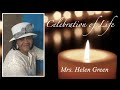
Scripture anchors the gathering in the sure hope of resurrection: dying Christ destroyed death, rising Christ restored life, and baptism clothes the believer in Christ. The liturgy moves from biblical assurance—“I am the resurrection and the life”—to practical consolation, reminding that those who hope in God purify themselves as Christ is pure. Psalm imagery frames a life well-lived as a palm tree: rooted, resilient, and continually fruitful. The palm tree resists destruction not by rigidity but by a deep root system that yields in storms and stands again; flourishing appears as steady service and sustained fruitfulness rather than flashy success.
A portrait of Helen Green emerges through those biblical images and personal remembrances. Her life displayed quiet strength, consistent presence, and joyful style; she poured decades into children’s lives, shaped generations, and modeled a steady faith lived in ordinary moments. That steady influence does not evaporate with death. Legacy becomes audible in the questions people ask one another at the table—“What would she say?”—and visible in children and grandchildren who carry her manners, corrections, and laughter forward. Grief and gratitude coexist: sorrow acknowledges loss, while hope insists on resurrection and continued life in Christ.
Practical encouragement threads through the reflections: grief must be felt, but living must continue. The palm tree teaches resilience—bend without breaking, yield enough to survive, and do not need to be replanted after the storm. Identity rooted in God frees a person to remain authentically themselves; when God shapes that identity, consistency becomes holiness. The service moves from hymns and brief family reflections to candle lighting, gratitude for a life taught and given, and a benediction that sends the gathered back into the world to live for God, love God, and follow God. The tone centers on faithful endurance, the multiplication of spiritual fruit, and the conviction that death does not have the final word.
Key Takeaways
- 1. Christ destroys death; promises life The resurrection makes finality of death a defeated power and transforms mourning into expectant hope. This change reorients grief: tears acknowledge loss, but belief locates loved ones in the life Christ secures. The baptized stand clothed in that reality and live accordingly, shaping choices by resurrection hope. [05:42]
- 2. Rooted resilience bears enduring fruit Deep roots form through steady faithfulness, not sudden triumphs; those roots allow a person to bend in storms and continue producing. Fruit often appears in the ordinary investments of time, correction, and love that outlast a lifetime. Enduring influence proves more sacred than public acclaim. [45:39]
- 3. Legacy multiplies across generations A life poured into children and community lives on through habits, words, and memory that shape those who follow. Legacy creates moral and spiritual inheritance that surfaces in family rhythms and daily decisions. Such multiplication honors the one who labored without spotlight. [49:05]
- 4. Identity fully grounded in Christ Knowing who God made one to be frees a person from constant revision for approval. Authenticity rooted in divine calling produces consistency in speech, correction, and love. That steadfast selfhood carries spiritual weight and invites imitation. [54:55]
- 5. Grief prompts faithful, ongoing living Mourning requires attention, yet grief should not arrest life; faithful movement forward honors the departed and obeys God’s command to live. Resilience means continuing to cultivate joy, relationships, and service amid sorrow. Such living becomes part of the legacy itself. [52:03]
Youtube Chapters