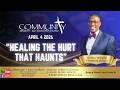
The resurrection weekend celebrates an undefeatable, living Christ whose empty tomb guarantees both sovereignty and restoration. Luke 23 focuses attention on Calvary’s scene: Jesus hangs between two criminals and utters, “Father, forgive them,” modeling forgiveness as an active, public act that reverses accusation, pain, and mislabeling. Emotional wounds and betrayed trust haunt long after visible injuries fade, and Calvary provides a framework for addressing that haunting—dismiss what destroys, leave what stunts growth, and receive pardon that frees the conscience. Forgiveness, as practiced on the cross, refuses cosmetic silence; it confronts the root of bitterness so the heart can stop carrying what God already removed.
The text connects historical redemption to present healing by insisting that forgiveness happens before apology and before moral worthiness. Divine pardon arrives “while still sinners,” proving that grace precedes deserving and that release from past offenses depends on accepting a gift, not on perfect repentance from others. Holding grudges functions like a posted sign—no stopping, no standing, no parking—blocking the Holy Spirit’s work and stalling spiritual movement. Laying burdens at Calvary means choosing to lay down claims, to relinquish repayment, and to allow God’s stripes to enact inner healing.
The narrative presses toward action: those who need to forgive, those whose relationships must mend, and those who seek healing should respond at the altar of repentance and reconciliation. Personal testimony anchors the teaching: letting go of long-held hurts produced measurable freedom and fuller ministry. The final appeal connects theology to practice with a prayer that enlists the Father’s help to release pain, asks for Spirit-led deliverance from retaliation, and claims abundant life as the fruit of forgiven hearts. The call concludes with communal worship, mutual encouragement, and an invitation to step forward into the freedom Jesus purchased.
Key Takeaways
- 1. Calvary models radical, active forgiveness Jesus’ plea, “Father, forgive them,” demonstrates forgiveness as a deliberate, public act that addresses wrong at its source rather than offering merely private consolation. This model demands action: it dismisses destructive cycles, leaves behind corrosive relationships, and pardons perpetrators—even before apology or worthiness. Forgiveness therefore reshapes moral memory, refusing to let past offenses define future identity. [91:30]
- 2. Forgiveness dismisses, leaves, and pardons Forgiveness carries three practical movements: dismissing what destroys, leaving behind toxic attachments, and granting pardon that clears moral debt. Each movement targets a different layer of pain—behavioral patterns, relational enmeshments, and legal or spiritual condemnation—and requires distinct choices. True healing integrates all three so wounds stop dictating present life. [96:55]
- 3. Unforgiveness imprisons the wounded heart Clinging to resentment functions like a “no stopping” sign in the soul, preventing spiritual progress and participation in God’s renewal. Bitterness conserves the past by anchoring identity to injury, while forgiveness releases attention and energy for growth and vocation. Freedom follows the choice to let go, not the attainment of deserved apology. [102:13]
- 4. Lay burdens at Calvary’s feet Calvary supplies both the authority and the invitation to relinquish accumulated pain; laying burdens down means trading grievance for grace. That act unlocks the possibility of relational repair, restored purpose, and renewed calling because it aligns personal reality with divine forgiveness. Walking forward from the altar becomes the practical hinge between hurt and healing. [105:17]
Youtube Chapters