Sep 20, 2026
A dog lies in the street after being hit by a car. It is in immense pain and confusion. If you bend down to help it, it will likely bite you. It does not bite from malice. It bites because it is hurting so badly. It reacts from its pain. We still recognize it as a good dog deserving of care.
People who hurt others often act just like that injured dog. They are reacting from a place of deep personal pain. Their ungodly behavior is a symptom of their own brokenness. They are not our ultimate enemy. We must learn to see the hurt behind the hurtful actions.
You will encounter hurt people this week. They might spread lies or stir up trouble. When they do, remember the injured dog. Their actions are a cry of pain, not a declaration of war. Will you choose to see the person behind the pain today?
Do not take revenge, my dear friends, but leave room for God’s wrath, for it is written: “It is mine to avenge; I will repay,” says the Lord. On the contrary: “If your enemy is hungry, feed him; if he is thirsty, give him something to drink. In doing this, you will heap burning coals on his head.” Do not be overcome by evil, but overcome evil with good.
(Romans 12:19-21, NIV)
Prayer: Ask God to give you His eyes to see the hidden hurt in someone who has wronged you.
Challenge: Identify one person whose difficult behavior might stem from pain and pray for their healing.
You cannot pick up the injured dog with your bare hands. You must protect yourself. You might use a shirt to carefully lift the dog without getting bitten. This method allows you to provide care while maintaining a safe distance. It is a practical act of love.
The scripture says to feed your hungry enemy or give them a drink. This is your protective shirt. These acts of practical love are like heaping burning coals on their head. This is not about vengeance. The burning coals represent purification. Your love can become a cleansing fire that transforms them.
Your love is a powerful weapon. You can love someone without making yourself vulnerable to further harm. You set boundaries while actively wishing for their best. How can you perform a practical act of kindness for someone who doesn’t expect it?
This is how we know what love is: Jesus Christ laid down his life for us. And we ought to lay down our lives for our brothers and sisters. If anyone has material possessions and sees a brother or sister in need but has no pity on them, how can the love of God be in that person? Dear children, let us not love with words or speech but with actions and in truth.
(1 John 3:16-18, NIV)
Prayer: Pray for the divine power to love a difficult person through a specific, actionable deed.
Challenge: Text or call one person today and offer a simple, concrete help like bringing them a meal.
Satan does not need to make you a bad person. He just needs to make you a bitter person. He attacks your forgiveness and your patience. His goal is to destroy your ability to love people. When you stop loving, you stop reflecting Jesus. Your compassion is your greatest weapon.
Walking in forgiveness means you do not expect the person to pay for the wrong they did. It does not mean you put yourself back into a harmful relationship. It means you release them from your personal judgment. You guard your heart against bitterness so you can keep loving others.
Bitterness is a poison you drink hoping the other person will get sick. You are the only one who is harmed. Unforgiveness traps you in the past. What specific hurt are you still holding onto that God is asking you to release today?
Get rid of all bitterness, rage and anger, brawling and slander, along with every form of malice. Be kind and compassionate to one another, forgiving each other, just as in Christ God forgave you.
(Ephesians 4:31-32, NIV)
Prayer: Confess to God any bitterness in your heart and ask for His power to truly forgive.
Challenge: Write down the name of one person you need to forgive. Tear up the paper as a physical act of release.
The Lord is close to the brokenhearted. He saves those who are crushed in spirit. When you feel under attack, you have a unique opportunity. You can draw near to God and feel His presence more fully than in easy times. This season of pain is a gift for building intimacy with Him.
You can offer worship now that you cannot offer in heaven. In heaven, there is no suffering or tears. Your worship in the midst of hurt is a powerful sacrifice. It builds your relationship with God during the dark moments. Do not slow down or back away from Him.
Reach out in praise even when it is hard. As you draw near to God, He draws near to you. He takes the first step toward your broken heart. In what area of your life right now can you choose worship over worry?
The Lord is close to the brokenhearted and saves those who are crushed in spirit. The righteous person may have many troubles, but the Lord delivers him from them all.
(Psalm 34:18-19, NIV)
Prayer: Thank God for His nearness in your pain and sing one song of praise to Him right now.
Challenge: Set a timer for five minutes today to do nothing but thank God for His goodness.
Your thoughts can spiral. You might wake up at night thinking about a person and what they did. Your mind runs down a path of frustration. The weapons we fight with are not worldly. They have divine power to demolish strongholds. You must take every thought captive.
Do not let your thoughts run wild. As soon as you notice them spiraling, stop. Make the thought obedient to Christ. Remind yourself that the person is hurt and needs prayer. Pray blessings upon them until your mind is at peace. This is how you fight.
Do not absorb the lies or the pain. Do not drink the poison of unforgiveness. You must actively capture each negative thought and replace it with God’s truth. Which recurring thought will you take captive today?
We demolish arguments and every pretension that sets itself up against the knowledge of God, and we take captive every thought to make it obedient to Christ.
(2 Corinthians 10:5, NIV)
Prayer: Ask God to make you aware of one negative thought pattern so you can capture it for Christ.
Challenge: The next time a negative thought arises, speak a scripture verse about God’s love out loud.
Romans 12 serves as the anchor for a practical theology of how to respond to people who hurt others from their own pain. Scripture commands refusal of personal revenge, leaving judgment to God, and counsels active goodness toward enemies—feeding the hungry, giving drink to the thirsty—so that love becomes a means of purification rather than retaliation. Hurt people often wound others through lies, gossip, triangulation, manipulation, and fear-mongering; those tactics aim to pull others into conflict or to force control by stoking anxiety. A concrete illustration compares a frightened, injured dog that bites from pain: the appropriate response is to rescue and care without recklessly exposing oneself to further harm. Practical safeguards include protecting personal boundaries (using a shirt to pick up the dog) while still offering aid.
Forgiveness emerges as refusal to harden the heart into hatred. Forgiveness involves compassion, not naiveté; it means withholding debt-claims and praying for transformation while not reentering unsafe relationship patterns. The “burning coals” image gets reframed as God’s purifying justice mixed with prayer—a divine work that aims to transform offenders rather than simply punish them. Continued love functions as the most potent weapon against the enemy’s aim to destroy Christlike compassion; persistent, patient love can expose and slowly heal the root hurts that cause harmful behavior.
Suffering under others’ attacks becomes an invitation to draw near to God. Dark seasons offer unique opportunities for worship and spiritual growth that mountaintop experiences cannot replicate; singing, praise, and closeness to God in trials produce nearness and formation. Thought life requires active discipline: 2 Corinthians 10’s call to take thoughts captive gets applied to stop rumination, to refuse bitterness, and to convert intrusive anger into prayers for the offender. Finally, love gets defined by desiring the best for the neighbor—praying for their flourishing and spiritual restoration—while living by faith rather than fear, standing in the midst of conflict trusting God to fight the battle without becoming like the one who hurts.
When someone lashes out, it's often because they're hurting so badly all they can see is the pain, and they react out of that pain.

We don't run from hurting people just because they act out; recognize they're still deserving of love and care.
You can care for a hurting person without putting yourself in a position where they can harm you.
Forgiveness doesn't mean resuming vulnerability; it means you don't expect them to pay for the wrong they've done.

One of Satan's goals is to destroy your ability to love people because that's what makes you like Jesus the most.

Your ability to love is your greatest weapon against the enemy.

When people attack you, you have an opportunity to be closer to God than at any other time.
Don't let your thoughts run wild; take every thought captive and make it obedient to Christ.
Unforgiveness is like drinking poison and waiting for the other person to be harmed; it only poisons you.
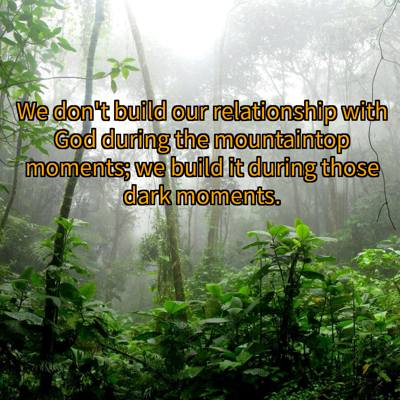
We don't build our relationship with God during the mountaintop moments; we build it during those dark moments.
Hi, I'm an AI assistant for the pastor that gave this sermon. What would you like to make from it?
Add this chatbot onto your site with the embed code below
<iframe frameborder="0" src="https://pastors.ai/sermonWidget/sermon/heal-hurt-with-love" width="100%" height="100%" style="height:100vh;"></iframe>Copy