Jesus’ teaching in Matthew 7:1-12 confronts judgment and gossip as habits incompatible with kingdom life. A story about Mark illustrates the difference between attacking someone with a list of faults and approaching them after prayerful, patient presence; prayer transformed Mark’s posture and opened a confession rooted in past wounds. The text distinguishes assessment from judgment: assessment evaluates while standing in solidarity; judgment evaluates and then abandons. Two motives drive judgment — a false belief that moral assault will fix others, and a need to feel superior — and both fail because condemnation forces change, provokes defensiveness, and offers no help for rebuilding.
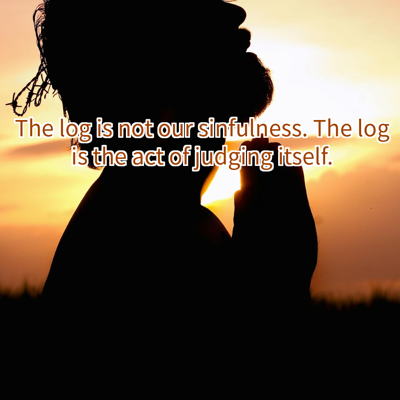
Jesus’ famous “speck and log” image gets a fresh reading: the log represents the act of judgment itself, which blinds helpers from seeing what the person truly needs. The warning about pearls and pigs likewise reframes “not to cast pearls before swine” as a critique of offering condemnatory wisdom to those who cannot receive it; moral lists become indigestible stones rather than nourishment and often produce backlash. The flow of Matthew 7 moves from prohibitions against judging and misapplied wisdom into concrete alternatives: ask, seek, knock — understood here as pray, persistently engage, and then approach with love. Prayer before confrontation softens contempt, reveals hidden wounds, and aligns motives with compassion.
Gossip receives a clear definition and indictment: it requires both negative speech and the absence of the person discussed. Gossip erodes trust, distorts reality by presenting only one side, and fuels insecurity and division. Practical counsel follows: attempt one day without gossip; refuse to rehash others’ failures; deflect with affirmation, change the subject, or gently stop the conversation. The kingdom alternative centers on identity in the risen Christ — security that removes the need to compare or control — and practices that replace condemnation with prayerful presence, patient engagement, and the Golden Rule as the final arbiter of corrective action. When people are seen as indwelt and beloved, tearing others down becomes unthinkable.
Key Takeaways
- 1. Judgment blinds more than it reveals Judgment functions as an obstruction that prevents accurate sight; it converts concern into condemnation and obscures the deeper wounds that drive behavior. Only by removing the posture of condemnation can a helper see needs clearly and participate in healing. Humility and self-examination create the vision necessary for effective, life-giving intervention.
- 2. Prayer must precede correction Prayer reorders motives and softens heart posture, making contempt difficult to sustain. Praying for someone opens space to perceive background pain and invites the Spirit to shape the approach. Correction that emerges from intercession carries patience, empathy, and an orientation toward restoration.
- 3. Pearls aren't food for pigs Offering moral proofs and lists to someone not ready to receive them only harms; wisdom delivered as accusation becomes destructive debris rather than nourishment. Effective help trades stones for bread — practices, resources, and companionship that enable growth. Anticipate capacity and readiness before trying to instruct.
- 4. Refuse gossip; rebuild trust instead Gossip (negative speech about the absent) corrodes communal belonging and provokes suspicion: “Who speaks of others behind their back?” Practically, refuse to participate, deflect with affirmation, or stop the conversation gently to protect community. Cultivating identity in the kingdom removes the appetite for comparison and replaces rumor with presence, patience, and faithful care.