
God's Sovereignty: Mercy, Hardening, and Righteousness Explored
Devotional
Sermon Summary
Bible Study Guide
Sermon Clips
In response to saying that God chose Jacob and Adi saw Paul raises the question is there injustice or on righteousness on god's part the answer is no and then the structure of the argument is that he gives to Old Testament quotations this one from exodus 33:19 through Moses and this one this one through Pharaoh. [00:00:54]
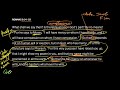
In support of the righteousness of god in unconditional election he quotes first I will have mercy on whom I have mercy and I will have compassion on whom I have compassion in other words a text that focuses on God's freedom he's not dependent on any others for the choices he makes. [00:01:50]
So then it depends not on human will or exertion but on God and so establishing the freedom of God in his election and that freedom is at the essence of God's name and righteousness is the doing of right by God's name or his glory which means God is right in the uncondition ality and freedom of his election. [00:03:03]
The value of verse 18 or the distinctiveness of verse 18 is that it gathers up the freedom of God in mercy just like we saw here I have mercy on whom I have mercy and then it adds he's free in his hardening as well so not only does mercy not depend on human willing or exertion but hardening does not depend on human willing or exertion either. [00:05:14]
The decisive cause of the hardening of Pharaoh and here he says it's not man because that's the whole point I have mercy on whom I have mercy people don't determine whom I have mercy on and I harden whomever i hardened people don't determine whom I harden. [00:06:39]
Sometimes people will say that Pharaoh hardened his own heart which of course it does say he does and that's a response and then God in response hardens his heart but look here's Exodus 421 the Lord said to Moses when you go back so this is long before any of the hardening takes place. [00:07:00]
I will harden Pharaoh's heart and though I multiply my signs and wonders in the land of Egypt Pharaoh will not listen so this is part of God's design part of God's plan he's going to see that this happens and when you read four times that Pharaoh hardened his own heart or God hardened Pharaoh's. [00:07:36]
The hardening here is exactly what Paul says he hardens whom ever he wills parallel with he has mercy on whomever he wills and the whole point there is it is not of human will not of human exertion neither the mercy nor the hardening which raises this question how does God do that and still be adjust or still be accountable. [00:08:04]
This may be part of the answer that God hides his face and hands us over to our own iniquities in darkness so that there isn't an active positive agency pushing us into hardness but rather a kind of negative agency by which he hides his face and the shadow of our own darkness causes us to harden our so. [00:09:42]
Mercy is served by the hardening and I go to the end of the unit chapter 9 verses 22 to 23 and you're going to see the echoes of the words to Pharaoh what if God desiring to show his wrath and to make known his power that's an exact phrase from verse 17 where Pharaoh is raised up to show God's power. [00:10:36]
In conclusion to this unit then the whole point has been to establish that God is not unrighteous in electing unconditionally Jacob over Esau and he has done that kind of argument for the righteousness of God by establishing God's freedom and then by connecting God's freedom to his name and that name being upheld is the essence of righteousness. [00:11:22]
God's righteousness is his commitment to his name for his glory and essential to his name or his glory is his freedom and he is acting in freedom when he elects unconditionally. [00:12:19]
Chatbot

-
I'm an AI bot trained specifically on the sermon from Dec 08, 2021. Do you have any questions about it?