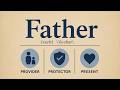
Fatherhood as a verb names what God does and what earthly dads are called to mirror: provide, protect, and be present. A Father in heaven stands as the steady truth when earthly father stories are mixed, whether hands-on, distant, absent, or gone. Prayer opens that relationship. The Lord’s Prayer becomes the doorway, because communication is how sons and daughters relate to their Father.
Jesus sets the frame in Luke 15. The crowd is full of sinners and the religious. The story centers the father’s character. The father provides. He divides the estate. He maintains a household where servants eat well and the elder son lives under secure care. The father protects. He releases the younger to his choices without chasing him, and then shields his dignity on return. He throws the robe over shame, places the ring on lost authority, and restores sandals to bare feet. The father is present. He watches the road and runs. He lifts the hem of his robe, ignores village opinion, and embraces before apologies finish. He also goes out to the elder, meets anger in the field, and speaks reassurance. “You are always with me, and everything I have is yours.”
This love tracks with God’s own name. Jehovah Jireh provides. He meets needs out of Christ’s riches. Jehovah Nissi covers. He arms His people, keeps the needy safe, and stands as a banner over fragile lives. Emmanuel stays. His presence makes known the path of life and fills with joy. The call asks each hearer to answer a simple question: How do I see God as my Father? The response is not borrowed. It is built in prayer, practiced like putting on armor each morning, and tested in grief where trust learns not to lean on its own understanding.
A simple picture helps. The gifts dads like to receive become the gift they become. Practical becomes provider. Personal becomes protector. Purposeful becomes presence. The Father in heaven already is all three. The house is open. The road-watching love is active. The embrace is ready for the younger, the older, and the tired in between.
Key Takeaways
- 1. Fatherhood acts: provide, protect, present The calling is not a title but a movement toward others with practical care, courageous boundaries, and attentive presence. The pattern begins in God and trains earthly dads to become living gifts to their families. Provision answers material need, protection guards dignity, and presence heals aloneness. The story invites a choice to embody all three. [26:49]
- 2. The Father runs before shame speaks Grace moves first. The embrace lands before the speech is finished, so the past does not set the terms of restoration. God’s love interrupts self-condemnation and reframes identity with robe, ring, and sandals. Honor replaces humiliation at the threshold. [31:11]
- 3. Protective love releases and restores dignity True protection does not control. It teaches, releases, and waits with hope, then rebuilds honor when the wanderer returns. The father’s welcome covers failure without denying it and keeps both sons in view, guarding each relationship from bitterness and scorn. [34:57]
- 4. Prayer matures sonship into trust Prayer is how sons and daughters talk to their Father, and trust is how they keep walking when they do not understand. The Lord’s Prayer trains hearts to move from need to surrender, from anxiety to reliance. In grief and confusion, that conversation holds steady. [17:46]
Youtube Chapters
- [00:00] - Welcome
- [12:45] - Gratitude and Father’s Day setup
- [15:24] - Mixed emotions and prayer’s doorway
- [18:52] - A Father in heaven who loves
- [19:19] - Honoring an earthly dad’s care
- [23:35] - Spiritual fathering and grief
- [25:23] - Three gifts dads love
- [26:49] - Fatherhood as a verb
- [28:03] - Prodigal context and invitation
- [29:27] - The prodigal read aloud
- [31:11] - The father runs in compassion
- [33:58] - Provision, protection, presence unpacked
- [36:56] - Seeing God as Father
- [39:14] - Names of God: Provider, Protector, Present
- [47:33] - Guided prayer and response