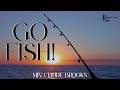
God first and God’s provision frame a simple, urgent call: go and act. Scripture imagery of fish appears as a sign of sustenance, mission, and identity—reminding believers that God provides materially and spiritually, and that the church exists to catch souls. The miraculous catch on Lake Gennesaret illustrates obedience meeting divine command: when nets went into the deep at Christ’s word, boats filled to overflowing and blessings arrived with such abundance that even partners hurried to share the harvest. A later episode—where a coin appears in a fish’s mouth to pay the temple tax—clarifies Jesus’ identity as Son of the household and shows how God supplies needs through ordinary creation when people obey.
Jesus’ choice to pay the tax “lest we offend them” reveals a higher freedom: the one who belongs to the Father willingly sets aside rights for the sake of mission and reconciliation. That humility reframes power as service and shows that some miracles remain personal rather than public displays. The coin-in-the-fish teaches that provision sometimes comes through unexpected channels; the mechanism matters less than the Provider. Faith therefore requires movement—going to the sea, casting the line, and taking the first catch Christ sends. Active obedience invites blessing; passivity stops the miracle.
Practical urgency rounds the theology into pastoral action: when God speaks, respond. Small acts—stopping to speak with a stranger, answering a quiet nudge—become moments where provision, invitation, and community form. The invitation extends to the lost, the backslidden, and anyone seeking a renewed relationship with God; simple obedience opens the door to salvation and belonging. The narrative insists that God’s supply meets real needs, that divine identity transforms obligations into grace, and that faithful motion unlocks the specific blessings God has marked for individuals. The overall summons: recognize who holds the blessings, move when commanded, and let generous, reconciling love shape action.
Key Takeaways
- 1. Obedience activates God's provision Faith requires more than belief; it requires motion. Casting lines at Christ’s command brought nets to the breaking point, showing that obedience places people where divine provision can meet them. Expect blessings that arrive because of action, not as passive hopes. [39:07]
- 2. Christ provides through ordinary means God often uses the created order and everyday events to supply needs—a coin in a fish’s mouth reframes provision as surprising and intimate. The point lies in the Provider, not the mechanism, so look for God’s hand in the small and mundane. Expect provision in ways that confirm divine care rather than human predictability. [48:59]
- 3. Freedom leads to sacrificial humility True freedom appears when one lays aside rights for others’ sake; Jesus chose not to assert divine exemption but to avoid offense and open access. Power exercised as service removes barriers and invites reconciliation, showing that humility advances mission. Choose compassionate freedom over defensive entitlement. [46:38]
- 4. Faith requires immediate obedient motion Hearing God obligates movement—go to the sea, cast the line, take the first catch Christ sends. Action aligns human will with divine intention and positions the believer to receive blessings that are already designated. Don’t wait; respond when God speaks. [50:15]
Youtube Chapters
- [00:00] - Welcome
- [29:56] - Opening Prayer and Invocation
- [31:30] - Scripture Reference: Matthew 17:27
- [32:15] - Theme Introduced: "Go Fish"
- [36:23] - The Miraculous Catch (Luke 5)
- [39:07] - Nets Breaking: Obedience Brings Overflow
- [43:43] - Coin in Fish: Temple Tax Explained
- [46:38] - Laying Down Rights for Others
- [50:15] - Call to Action: Move in Faith
- [55:51] - Invitation to Respond
- [58:37] - Closing and Blessing