The people of Israel gathered on the twenty-fourth day. They wore rough sackcloth. They put dust on their heads. They stood and confessed their own sins. They also confessed the sins of their fathers. They read from the Book of the Law for a quarter of the day. For another quarter, they confessed and worshiped the Lord their God.
This was not a superficial ritual. It was a deep, corporate act of humility. They understood they could not work on God's building without asking God to work on them. They recognized that an attractive building means nothing if the people inside have unattractive hearts.
Many of us focus on external appearances. We want our lives to look pretty to others. But God is concerned with the condition of our inner man. He sees the attitudes and thoughts we hide. Let the word of God become a mirror for your soul today. What specific area of your inner life needs His cleansing work?
“On the twenty-fourth day of the same month, the Israelites gathered together, fasting and wearing sackcloth and putting dust on their heads. Those of Israelite descent had separated themselves from all foreigners. They stood in their places and confessed their sins and the sins of their ancestors. They stood where they were and read from the Book of the Law of the Lord their God for a quarter of the day, and spent another quarter in confession and in worshiping the Lord their God.”
(Nehemiah 9:1-3, NIV)
Prayer: Ask God to reveal any hidden sin or unattractive attitude in your heart that needs His forgiveness.
Challenge: Set aside 15 minutes of silence today to honestly confess your sins to God, writing down anything He brings to mind.
The people heard the word of the Lord. As James explains, the word became a mirror in their faces. It showed them their true condition. It became evident what needed to be done on the inside. This hearing led to a powerful response of confession and surrender.
God's word is not just ancient text. It is alive and active. It judges the thoughts and attitudes of the heart. The Israelites did not just hear information. They welcomed it as the true word of God. It effectively worked in them because they believed.
You also have access to this mirror. The Bible reveals who you are and who God calls you to be. It exposes the tables in your heart that Jesus needs to overturn. Stop and open His word with a receptive heart. What is one thing God’s word reflected back to you about your character today?
“Therefore, get rid of all moral filth and the evil that is so prevalent and humbly accept the word planted in you, which can save you. Do not merely listen to the word, and so deceive yourselves. Do what it says. Anyone who listens to the word but does not do what it says is like someone who looks at his face in a mirror and, after looking at himself, goes away and immediately forgets what he looks like.”
(James 1:21-24, NIV)
Prayer: Pray that God’s word would not just be heard today but would actively work to change you from the inside out.
Challenge: Read James 1:21-27 and write down one practical instruction from the passage you will obey today.
The Israelites stood and blessed the name of the Lord. They used words of expression. They said, “Stand up and bless the Lord your God forever and ever!” They blessed His glorious name, which is exalted above all blessing and praise. They recounted His mighty acts of creation and deliverance.
They spoke well of God because they had experienced God. Their worship had history behind it. They had receipts. They had tasted His goodness. He had delivered them, fed them, and preserved them. You speak differently about a God you have truly walked with.
Your praise is rooted in your personal history with God. Recall the times He has provided, protected, and preserved you. Remember His faithfulness to your family. Let those memories fuel your worship. When was the last time you told someone about a specific thing God has done for you?
“Stand up and praise the Lord your God, who is from everlasting to everlasting. Blessed be your glorious name, and may it be exalted above all blessing and praise. You alone are the Lord. You made the heavens, even the highest heavens, and all their starry host, the earth and all that is on it, the seas and all that is in them. You give life to everything, and the multitudes of heaven worship you.”
(Nehemiah 9:5-6, NIV)
Prayer: Thank God for three specific moments in your life or your family’s history where you saw His faithful intervention.
Challenge: Tell one person today about a specific time God was faithful to you.
The people lamented. They gave thanks to God for what He had done in spite of what they had done. They remembered His pattern of mercy. They were stiff-necked and rebelled. Yet God was gracious and merciful. He was always ready to pardon.
This reveals the heart of a faithful parent. A child makes bad decisions, gets stuck, and calls home. The parent could say, “Figure it out yourself.” But instead they say, “Where are you? I’m coming.” This does not excuse the behavior, but it reveals the parent’s love.
Your failures may be many, but His mercy will keep showing up. He stays good anyway. He remains your constant friend. Come to Him not with excuses, but with gratitude for His unwavering loyalty. How does knowing God is “ready to pardon” change how you approach Him after a failure?
“But you are a forgiving God, gracious and compassionate, slow to anger and abounding in love. Therefore you did not desert them, even when they cast for themselves an image of a calf and said, ‘This is your god, who brought you up out of Egypt,’ or when they committed awful blasphemies. In your great mercy you did not abandon them in the wilderness.”
(Nehemiah 9:17-19, NIV)
Prayer: Confess a recurring sin, thanking God that He is gracious, compassionate, and ready to pardon you.
Challenge: Identify one cycle of failure in your life and ask God specifically for His mercy and power to break it.
The people made a sure covenant and wrote it down. Their leaders, Levites, and priests sealed it. They became servants. They entered into a binding agreement with the Lord. This was more than a feeling; it was a commitment.
Submission means giving God the keys, not just guest access. You cannot invite God into your life and then tell Him to stay in one room. He is not a roommate you tolerate for the benefits. He is the Lord who requires full surrender.
God wants to move from being a visitor to a resident in your life. This means giving Him permission to rearrange your furniture. Invite Him into every room—your finances, your relationships, your dreams. What is one “room” in your life you have been keeping off-limits to God?
“In view of all this, we are making a binding agreement, putting it in writing, and our leaders, our Levites and our priests are affixing their seals to it.”
(Nehemiah 9:38, NIV)
Prayer: Ask God to move into every area of your life as a permanent resident, not a temporary guest.
Challenge: Write a one-sentence “covenant” or commitment to God, signing your name to it, and place it where you will see it daily.
Nehemiah 8–10 provides the framework: the returned exiles gathered, fasted, wore sackcloth, and read the Law, confessing both their own sins and the sins of their ancestors. That confession led to a movement from superficial repair toward inward reformation — an insistence that a restored building means nothing if the people inside remain spiritually broken. The narrative insists that external improvements must be matched by God’s work on hearts: confession, lament, thanksgiving, and covenantal submission. Concrete scenes show the people naming God’s deeds, blessing His name because they carried a history of deliverance, and acknowledging patterns of rebellion followed by divine mercy. Their worship issued from experience rather than abstraction; their praise had “receipts.”
An illustrated contrast between an attractive building with poor customer service and a beautiful interior heart clarifies the point: appearance without transformed character spoils the whole experience. The Law acted as a mirror, exposing the inner faults that must be washed away; honest self-examination opened the way for real repentance and renewed fellowship. The people move through three movements: expressive praise that remembers God’s past mercies; lamentation that admits ongoing failure yet recognizes God’s patience; and submission that commits to covenant life under God’s rule. Submission carries a domestic metaphor: God as a roommate, not a tasteful guest — true transformation surrenders full control, hands over the keys, and allows God to rearrange the furniture of the soul.
Scriptural appeals to Romans 12 and 2 Corinthians 5 anchor the call: present the body as a living sacrifice and live as new creations. When God becomes resident rather than visitor, joy, identity, and purpose return. The pastoral summons centers on repentance, surrender, and asking God to do inside work equal to the work done on the building, so that faithfulness, mercy, and joy become the hallmarks of renewed life. The covenantal decision of Nehemiah’s people models how a community moves from exposed sin to the embrace of a faithful, pardoning God who transforms habit, identity, and home.
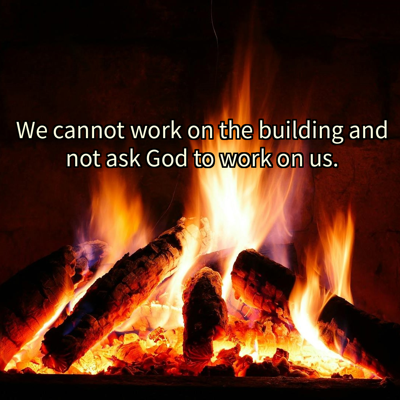
We cannot work on the building and not ask God to work on us.
We cannot ask God for the building to look pretty while the people inside the walls have hearts that are not attractive.
Let's not have an attractive building without attractive Christians on the inside.
You can wear Prada, Calvin Klein, Chanel, or Gucci, but how attractive are you based on the word of God?
You can't invite God into your life and then tell Him to stay in one room.
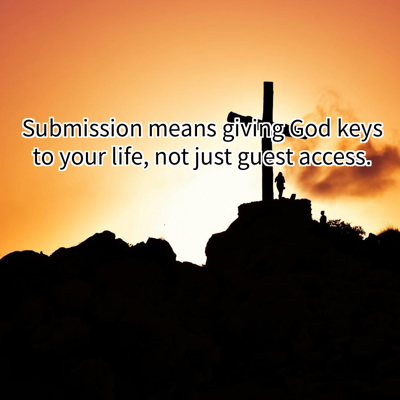
Submission means giving God keys to your life, not just guest access.
Joy is what happens when God is no longer a visitor but a resident.
When God moves back in: joy returns, peace returns, identity returns, and purpose returns.
Add this chatbot onto your site with the embed code below
<iframe frameborder="0" src="https://pastors.ai/sermonWidget/sermon/get-roommate" width="100%" height="100%" style="height:100vh;"></iframe>Copy