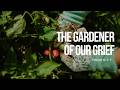
Worship opens by naming a different kind of gathering: many serve through a Rise Against Hunger meal-packing event even as others worship from home. The service launches a Healing After Easter series that insists resurrection does not erase sorrow overnight but begins a patient process of restoration. Scripture anchors the theme in Isaiah’s vision, which comes in the year King Uzziah died—a moment of loss that primes the heart to encounter God. The vision contains honest anguish: Isaiah confesses his unworthiness, and God meets that truth directly. A seraph touches Isaiah’s lips, symbolizing that confession and grace clear the way for renewed purpose.
Concrete stories illustrate the pattern. A widow’s slow work in her backyard garden becomes a place where presence replaces immediate answers; tending soil and pulling weeds becomes a form of prayer and an avenue for God’s quiet tending. A young person’s admission of anxiety to a trusted friend opens access to help, prayer, and slow healing. These examples show that healing begins not with brave pretense but with truthful naming of pain.
The sermon develops the gardener metaphor: God functions like a gardener who does not rush growth, who honors small and fragile things, and who transforms life within loss rather than erasing the context of loss. Healing can feel uncomfortable and slow; it stretches but also restores. The movement from being tended to being sent appears as a pattern: honesty invites grace, grace cleanses, and cleansing issues forth in renewed calling—Isaiah’s “Here am I; send me.” The message calls for whole-hearted availability: bring grief, anxiety, and questions to God as legitimate material for divine cultivation.
The service closes with prayer and benediction, blessing the congregation to go into the world as people who both serve and are tended. The communal act of meal packing stands as an embodiment of faith in action—service and healing interweave. Final words send people into the gardens of everyday life, reminding that the risen Christ walks with those who tend sorrow and that new life can begin even in places that still feel worn.
Key Takeaways
- 1. Resurrection is a healing process Resurrection arrives as the start of a long, inward work rather than an instantaneous fix. Healing moves through small, often unseen changes—honest speech, steady practices, and patient tending—that reshape the heart over time. Expect glimmers and setbacks; the arc bends toward renewal through repeated, faithful practices. [16:31]
- 2. God tends grief like a gardener God’s approach honors fragility, tends slowly, and refuses to remove the grief’s context. Patient attention honors what is fragile and invites growth from places that feel barren. This horticultural image reframes suffering as ground for careful cultivation, not as an obstacle to God’s presence. [22:16]
- 3. Honesty opens the door Admitting “I am not okay” breaks the isolation that prolongs pain and creates space for help, prayer, and therapeutic work. Confession functions less as spectacle and more as an entry point into real companionship and grace. Truth spoken to a trusted presence often begins the tangible steps of healing. [19:35]
- 4. Wounds become soil for grace Scars and raw places can provide the textures in which new growth takes root when met with tenderness and time. Rather than erasing wounds, God transforms them into fertile ground where compassion and purpose can emerge. This shifts identity from brokenness as final to brokenness as the medium of renewal. [21:37]
Youtube Chapters