
Forgiveness: Reflecting God's Grace and Mercy
Devotional
Sermon Summary
Bible Study Guide
Sermon Clips
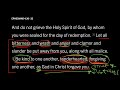
"Be kind to one another, tenderhearted, forgiving one another as God in Christ forgave you. So, Father, as we ponder being forgiving people who are enabled to forgive because of what you did as we are united to Christ in forgiving us, give us this power, show us how to understand this." [00:24:56]
"Remember back in chapter 1 verse 7, one of the first blessings Paul described for his church, the Ephesian church: in him, that is in Christ, we have redemption, namely, the forgiveness of our trespasses. So there's forgiveness referred to in chapter 4:32. It comes through the blood of Jesus." [01:02:00]
"God can be just and the justifier of the one who has faith in Jesus. So this is how God delivered us from our sins, forgave us for all of them. Here's another description of it I love, this from Colossians 2:13, Paul said, you who were dead in your trespasses and the uncircumcision of your flesh." [03:26:80]
"Can you forgive someone who doesn't repent of doing you any wrong? Can there be real forgiveness? Remember Jesus said in Luke 17, if your brother sins against you, rebuke him, and if he repents, forgive him. And if he sins against you seven times in the day and turns to you seven times and says I repent, you must forgive him." [05:36:84]
"You must have the kind of heart that is disposed to forgive the worst offenses against you when there is repentance. Now my last question is, is that all that's taught here? What about the situation in which the person sins against you and they don't repent either because they don't believe they have sinned against you?" [07:16:80]
"A tenderhearted person is not calculating and saying, well, they won't repent, and so I'm not going to forgive them. That's not the way of the tender heart response. Neither is it what kindness does, and notice let all bitterness, all wrath, all anger be put away from you." [08:03:44]
"Jesus, when he died for us, not only forgave us for our sins as we trust in him, he also modeled for us how to treat other people who offend us, hurt us, abuse us, and don't repent so that we can fully forgive and be reconciled. And what does it show when we endure that with patience?" [10:04:80]
"Do not repay evil for evil or reviling for reviling, but on the contrary, bless. This is what Jesus taught, right? Bless those who persecute you, do good to those who hate you, because to this you were called, that you may obtain a blessing. This calling here was referred to here in 1st Peter chapter 2." [11:08:79]
"When we do that, we show that we are trusting ourselves to him who judges justly and thus honoring God as the judge of the universe and humbling ourselves in confidence that God will settle accounts rightly. And one other thing that such behavior manifests, Matthew 5:12, 11 and 12." [11:44:56]
"Rejoice and be glad for your reward is great in heaven. That's what we are banking on. So when we come back here and we realize that we're called to forgive as God forgave us in Christ, that covers one situation, namely where people repent, cry out for our forgiveness, and we always give it." [12:29:39]
"We do not become bitter, we do not exert wrath, we do not show anger, we don't have clamor and slander, we don't become unkind, we don't become hard-hearted because one, we trust the God who judges justly, and two, we have a great reward in heaven." [13:09:36]
"And thus we bear witness to the trustworthiness of God's justice and the all-satisfying nature of himself as our treasure." [13:34:39]
Ask a question about this sermon
"Remember back in chapter 1 verse 7, one of the first blessings Paul described for his church, the Ephesian church: in him, that is in Christ, we have redemption, namely, the forgiveness of our trespasses. So there's forgiveness referred to in chapter 4:32. It comes through the blood of Jesus." [01:02:00]
"God can be just and the justifier of the one who has faith in Jesus. So this is how God delivered us from our sins, forgave us for all of them. Here's another description of it I love, this from Colossians 2:13, Paul said, you who were dead in your trespasses and the uncircumcision of your flesh." [03:26:80]
"Can you forgive someone who doesn't repent of doing you any wrong? Can there be real forgiveness? Remember Jesus said in Luke 17, if your brother sins against you, rebuke him, and if he repents, forgive him. And if he sins against you seven times in the day and turns to you seven times and says I repent, you must forgive him." [05:36:84]
"You must have the kind of heart that is disposed to forgive the worst offenses against you when there is repentance. Now my last question is, is that all that's taught here? What about the situation in which the person sins against you and they don't repent either because they don't believe they have sinned against you?" [07:16:80]
"A tenderhearted person is not calculating and saying, well, they won't repent, and so I'm not going to forgive them. That's not the way of the tender heart response. Neither is it what kindness does, and notice let all bitterness, all wrath, all anger be put away from you." [08:03:44]
"Jesus, when he died for us, not only forgave us for our sins as we trust in him, he also modeled for us how to treat other people who offend us, hurt us, abuse us, and don't repent so that we can fully forgive and be reconciled. And what does it show when we endure that with patience?" [10:04:80]
"Do not repay evil for evil or reviling for reviling, but on the contrary, bless. This is what Jesus taught, right? Bless those who persecute you, do good to those who hate you, because to this you were called, that you may obtain a blessing. This calling here was referred to here in 1st Peter chapter 2." [11:08:79]
"When we do that, we show that we are trusting ourselves to him who judges justly and thus honoring God as the judge of the universe and humbling ourselves in confidence that God will settle accounts rightly. And one other thing that such behavior manifests, Matthew 5:12, 11 and 12." [11:44:56]
"Rejoice and be glad for your reward is great in heaven. That's what we are banking on. So when we come back here and we realize that we're called to forgive as God forgave us in Christ, that covers one situation, namely where people repent, cry out for our forgiveness, and we always give it." [12:29:39]
"We do not become bitter, we do not exert wrath, we do not show anger, we don't have clamor and slander, we don't become unkind, we don't become hard-hearted because one, we trust the God who judges justly, and two, we have a great reward in heaven." [13:09:36]
"And thus we bear witness to the trustworthiness of God's justice and the all-satisfying nature of himself as our treasure." [13:34:39]
Chatbot

-
I'm an AI bot trained specifically on the sermon from Dec 04, 2021. Do you have any questions about it?