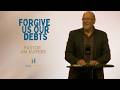
Matthew’s model prayer names the Father first and sets the tone for everything that follows: “Your kingdom come, your will be done.” The prayer itself teaches dependence for daily bread, honesty about debts, and a cry for deliverance from the evil one. Jesus in Luke is asked for one thing, not techniques for miracles but instruction in prayer, because the power sits in the life of prayer. The text ties answered prayer to forgiven debts; in God’s economy, sin is a debt, and debts get settled. Forgiveness cancels what someone “owes,” because Christ has already carried the bill.
Unforgiveness then shows up like weight. The backpack image helps the point land: small items do not feel heavy at first, but nine miles later ten pounds feels like fifty. So hidden bitterness works the same way. It sits on the inside, but it still must be carried, and it will leak into health, relationships, and finally the prayer life. The call is simple and hard at once: stop rehearsing the hurt. Rehearsal keeps the wound fresh. Philippians redirects the mind toward what is true, noble, right, pure, lovely, and praiseworthy, so the story that gets repeated becomes grace, not grievance.
Peter’s question about how often to forgive draws Jesus’s answer of seventy times seven. That number is not random. Israel’s 490 years of neglected Sabbath for the land created a debt that God settled with seventy years in Babylon. If judgment ran that long, grace should run at least as far. The parable of the unforgiving servant then pictures the kingdom: a king cancels an unpayable sum, and that mercy obligates mercy. Nine billion forgiven should melt a grip around fifteen thousand. When mercy does not flow, the heart is called wicked, unrenewed, and the jailers meet that soul until the debt gets paid. Forgiveness must be “from the heart,” not just with the lips.
Practical steps land the call. “Bless those who curse you. Pray for those who mistreat you.” Speak what builds up, not what tears down. Proverbs says to guard the heart, because everything flows from it, so set gates around eyes, ears, and mouth. Boundaries are not hardness; they are wisdom. Offenses build fences, and those fences trap the real self while keeping real people out. The kingdom belongs where Christ is King, which means light must drive out the dark pockets of resentment so prayer can run free.
Key Takeaways
- 1. Prayer is the power pipeline The disciples did not chase techniques for signs; they chased the life with the Father that births them. Jesus ties prayer to daily dependence, forgiven debts, and protection from evil, which frames how power actually flows. Miracles ride on communion, not the other way around. The question to ask is how prayer is being pursued. [01:38]
- 2. Unforgiveness is a hidden weight The backpack feels light at the trailhead and brutal at mile nine. Bitterness works the same way, invisible to others but crushing the one who carries it, and it will bleed into body, soul, and relationships. It also jams the line of prayer, because a clutched debt contradicts a canceled one. Release the weight before it shapes the walk. [06:33]
- 3. Sin is debt; cancel the bill Jesus names sin a debt and then tells a kingdom story about canceled accounts. Nine billion forgiven should teach a heart how to forgive fifteen thousand, and seventy times seven reaches back to God settling Israel’s long debt with measured mercy. Grace is not math but a new economy where mercy runs out ahead of justice. Live inside that math. [16:23]
- 4. Stop rehearsing the hurt Retelling the wound keeps it fresh, and hearing fuels both faith and negativity. Philippians 4 shifts the inner narration toward what is excellent and praiseworthy, training the mind to bless instead of brood. The story that gets airtime is the story that gets authority. Change the script to change the heart. [10:32]
- 5. Guard the heart with wise gates Proverbs calls the heart the wellspring, so eyes, ears, and mouth must be treated like gates to a fortress. Boundaries tested over time protect life, keep trust from leaking, and keep toxins from seeping in. Offenses build fences that lock in the real self and lock out real help. Close the wrong gates and open the right ones. [26:54]
Youtube Chapters