
Finding Contentment: Trusting God's Promises Over Anxiety
Devotional
Sermon Summary
Bible Study Guide
Sermon Clips
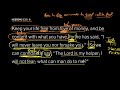
Keep your life free from the love of money well love here is a feeling there's not a commitment to money this is this is a craving of money this is a passion for money this is covetousness and and desire and longing it's this is craving money as a means of security as we'll see keep your life free from that so how do you obey man to be free from a feeling and to put it positively be content with what you have and contentment is of is a feeling so it's a command to have a certain feeling namely peace and contentment. [00:01:37]
What does Hebrews show us is the means by which God expects these commands to to feel and not to feel be obeyed and the answer is right here in this word for so keep your life free from the love of money don't and be content with what you have for here's the reason here's how I can happen here's the basis and if we say it doesn't work for me then we should not give up the the Bible is God's Word if it if it gives reasons for why we should not love and be on discontent then we shouldn't give up until we pursue and experience what it tells us to experience. [00:02:57]
He has said and then he quotes Joshua 1:5 where God says to Joshua I'll never leave you and I'll never forsake you and he has no problem with us Christians applying that to ourselves because in 2nd Corinthians 1:20 it says all the promises of God are yes in Jesus and in Roman 8:32 it says that he who did not spare his son but gave him up for us all will he not with him freely give us all things and so if he's bought us at the price of his son's blood then surely a promise made to mere mere Joshua would be applied to the very children the blood-bought children of God. [00:03:19]
This is my promise as a Christian even though it was made in Joshua 1:5 to Joshua God says I'll never leave you or forsake you that's the ground for not loving money and and being content and then he he shows how it works here's what you can here's what you can say here's what you can confidently that's a feeling so now you have a because you've you've heard this promise I'll never leave you I'll never forsake you you say confidently now why didn't he just say so we believe or we trust this promise and the Lord now now we know the Lord is my helper I will not fear what can man do to me man can't ruin me at all. [00:04:54]
Instead he goes ahead and says say he so we can confidently say and do you think it's over doing it - to say he expects us to preach to ourselves here in other words yes this assumes believe you have to believe this promise I'll never leave you or forsake you for any of these emotional effects to come but believing is is so elusive at times I have read the Bible so many times and I've I've even cried out to God for freedom from anxiety at times and I and I get up and I walk away from my prayer kind of feeling well I hope that happens to me instead of saying no say those promises believe those promises right exert your mind to put your hope in those promises and maybe saying it is one of God's appointed means. [00:05:34]
Let's put the pieces together we've got we've got a bunch of pieces here we've got the promise of God has what color should we use we've got the promise of God here and we've got there for the Lord is my helper here and therefore we've got the assurance that man can't ruin us here and therefore we are not going to be afraid here and therefore we are going to be free from the craving of the love of money as our security and therefore we're going to be be content. [00:06:35]
God's promised presence and then two is the Lord is my helper and he he draws that out from the presence he assumes from the context of Joshua that to say I'm with you means I'm your helper so we know he's our helper and he won't ever leave us and so man can't ruin us and I draw that out from this statement what can man do to me what can man do to me that's a rhetorical question that assumes an answer nothing well he can kill you and he can cause the take away your money can steal things but he can't he can't ultimately ruin you God is always going to never let anything happen to you but what he considers good for you so no ruin coming from man therefore I won't we won't fear. [00:07:44]
Therefore not fearing we are freed from love the craving for money as the ground of our security we have a wonderful freedom from that now and six therefore I enjoy contentment now right here right there is a different color right here is the key isn't it because that's where the four happened or the therefore God's promised presence is promised to me let's get rid of that therefore all of these happen if I believe that promise and say say these things and so I would call all of your attention to God's promise presence believe that say it preach it to yourself he's my helper man can't ruin me I won't be afraid I am free from the love of money I now know contentment that's how you obey a command to feel in the Bible. [00:08:59]
The Bible says don't be it says be content not anxious with what you have and don't love money in such a way that you are craving it in a way that ruins your contentment. [00:02:20]
The answer is right here in this word for so keep your life free from the love of money don't and be content with what you have for here's the reason here's how I can happen here's the basis and if we say it doesn't work for me then we should not give up the the Bible is God's Word if it if it gives reasons for why we should not love and be on discontent then we shouldn't give up until we pursue and experience what it tells us to experience. [00:02:57]
He has said and then he quotes Joshua 1:5 where God says to Joshua I'll never leave you and I'll never forsake you and he has no problem with us Christians applying that to ourselves because in 2nd Corinthians 1:20 it says all the promises of God are yes in Jesus and in Roman 8:32 it says that he who did not spare his son but gave him up for us all will he not with him freely give us all things and so if he's bought us at the price of his son's blood then surely a promise made to mere mere Joshua would be applied to the very children the blood-bought children of God. [00:03:19]
This is my promise as a Christian even though it was made in Joshua 1:5 to Joshua God says I'll never leave you or forsake you that's the ground for not loving money and and being content and then he he shows how it works here's what you can here's what you can say here's what you can confidently that's a feeling so now you have a because you've you've heard this promise I'll never leave you I'll never forsake you you say confidently now why didn't he just say so we believe or we trust this promise and the Lord now now we know the Lord is my helper I will not fear what can man do to me man can't ruin me at all. [00:04:54]
Ask a question about this sermon
What does Hebrews show us is the means by which God expects these commands to to feel and not to feel be obeyed and the answer is right here in this word for so keep your life free from the love of money don't and be content with what you have for here's the reason here's how I can happen here's the basis and if we say it doesn't work for me then we should not give up the the Bible is God's Word if it if it gives reasons for why we should not love and be on discontent then we shouldn't give up until we pursue and experience what it tells us to experience. [00:02:57]
He has said and then he quotes Joshua 1:5 where God says to Joshua I'll never leave you and I'll never forsake you and he has no problem with us Christians applying that to ourselves because in 2nd Corinthians 1:20 it says all the promises of God are yes in Jesus and in Roman 8:32 it says that he who did not spare his son but gave him up for us all will he not with him freely give us all things and so if he's bought us at the price of his son's blood then surely a promise made to mere mere Joshua would be applied to the very children the blood-bought children of God. [00:03:19]
This is my promise as a Christian even though it was made in Joshua 1:5 to Joshua God says I'll never leave you or forsake you that's the ground for not loving money and and being content and then he he shows how it works here's what you can here's what you can say here's what you can confidently that's a feeling so now you have a because you've you've heard this promise I'll never leave you I'll never forsake you you say confidently now why didn't he just say so we believe or we trust this promise and the Lord now now we know the Lord is my helper I will not fear what can man do to me man can't ruin me at all. [00:04:54]
Instead he goes ahead and says say he so we can confidently say and do you think it's over doing it - to say he expects us to preach to ourselves here in other words yes this assumes believe you have to believe this promise I'll never leave you or forsake you for any of these emotional effects to come but believing is is so elusive at times I have read the Bible so many times and I've I've even cried out to God for freedom from anxiety at times and I and I get up and I walk away from my prayer kind of feeling well I hope that happens to me instead of saying no say those promises believe those promises right exert your mind to put your hope in those promises and maybe saying it is one of God's appointed means. [00:05:34]
Let's put the pieces together we've got we've got a bunch of pieces here we've got the promise of God has what color should we use we've got the promise of God here and we've got there for the Lord is my helper here and therefore we've got the assurance that man can't ruin us here and therefore we are not going to be afraid here and therefore we are going to be free from the craving of the love of money as our security and therefore we're going to be be content. [00:06:35]
God's promised presence and then two is the Lord is my helper and he he draws that out from the presence he assumes from the context of Joshua that to say I'm with you means I'm your helper so we know he's our helper and he won't ever leave us and so man can't ruin us and I draw that out from this statement what can man do to me what can man do to me that's a rhetorical question that assumes an answer nothing well he can kill you and he can cause the take away your money can steal things but he can't he can't ultimately ruin you God is always going to never let anything happen to you but what he considers good for you so no ruin coming from man therefore I won't we won't fear. [00:07:44]
Therefore not fearing we are freed from love the craving for money as the ground of our security we have a wonderful freedom from that now and six therefore I enjoy contentment now right here right there is a different color right here is the key isn't it because that's where the four happened or the therefore God's promised presence is promised to me let's get rid of that therefore all of these happen if I believe that promise and say say these things and so I would call all of your attention to God's promise presence believe that say it preach it to yourself he's my helper man can't ruin me I won't be afraid I am free from the love of money I now know contentment that's how you obey a command to feel in the Bible. [00:08:59]
The Bible says don't be it says be content not anxious with what you have and don't love money in such a way that you are craving it in a way that ruins your contentment. [00:02:20]
The answer is right here in this word for so keep your life free from the love of money don't and be content with what you have for here's the reason here's how I can happen here's the basis and if we say it doesn't work for me then we should not give up the the Bible is God's Word if it if it gives reasons for why we should not love and be on discontent then we shouldn't give up until we pursue and experience what it tells us to experience. [00:02:57]
He has said and then he quotes Joshua 1:5 where God says to Joshua I'll never leave you and I'll never forsake you and he has no problem with us Christians applying that to ourselves because in 2nd Corinthians 1:20 it says all the promises of God are yes in Jesus and in Roman 8:32 it says that he who did not spare his son but gave him up for us all will he not with him freely give us all things and so if he's bought us at the price of his son's blood then surely a promise made to mere mere Joshua would be applied to the very children the blood-bought children of God. [00:03:19]
This is my promise as a Christian even though it was made in Joshua 1:5 to Joshua God says I'll never leave you or forsake you that's the ground for not loving money and and being content and then he he shows how it works here's what you can here's what you can say here's what you can confidently that's a feeling so now you have a because you've you've heard this promise I'll never leave you I'll never forsake you you say confidently now why didn't he just say so we believe or we trust this promise and the Lord now now we know the Lord is my helper I will not fear what can man do to me man can't ruin me at all. [00:04:54]
Chatbot

-
I'm an AI bot trained specifically on the sermon from Dec 10, 2021. Do you have any questions about it?