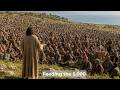
Psalm 145 gives the first word: God is good all the time, and all the time, God is good. David blesses the Lord as gracious and merciful, slow to anger, abounding in steadfast love, good to all, with compassion over all that he has made. Psalm 145 does not treat compassion as a small side note in God’s character. The Psalm sings it as part of God’s glory, greatness, and wonderful works.
Matthew 14 shows that same compassion in Jesus. Jesus tries to withdraw by boat to a deserted place, but the crowds follow him on foot from the towns. Jesus comes ashore, sees the great crowd, and has compassion for them. Matthew lets the reader see not just what Jesus does, but what is inside him. Jesus heals “their sick,” not just some random sick people, but the sick among that whole crowd and community.
The disciples see the late hour and the deserted place, and they tell Jesus to send the crowds away. Jesus does not follow that plan. Jesus says, “They need not go away. You give them something to eat.” The disciples can only see five loaves and two fish. Jesus takes what is there, looks up to heaven, blesses God, breaks the loaves, and gives the food to the disciples to give to the crowds.
The five loaves and two fish become a sign of the goodness and power of God, but even more, they become a sign of compassion. Jesus cares for bodies and souls. Jesus heals the sick, and Jesus feeds the hungry. The crowd eats until all are filled, satisfied, and there are still twelve baskets full left over.
The miracle also shows how Jesus brings his disciples into his own work. Jesus could have done it all by himself, but he tells the disciples to feed the people and then gives through their hands what only he could multiply. The church’s compassion for others, like helping provide water for someone who has none, becomes one mark of following Jesus instead of letting the worries of the day choke out mercy.
The Lord’s Supper carries that same pattern forward. Christ still heals and feeds his people in body and soul, in agape love and grace. The Lord who blessed bread on the grass is the same redeemer and friend who continues to give strength, energy, and resources for faithful disciples to help others.
##
Key Takeaways
- 1. Compassion sees the whole community Matthew says Jesus healed “their sick,” not just the sick in general. Christ’s compassion rests on people as a community, with shared burdens, shared wounds, and shared need. Prayer therefore grows wider than private pain and asks the Lord to heal all within reach of his mercy. [35:23]
- 2. Jesus blesses what seems too small The disciples only see five loaves and two fish, and that is an honest inventory. Jesus receives that small amount, thanks the Father for it, and makes it enough. Faith does not pretend the resources are large, but it brings the little that exists into Christ’s hands. [38:09]
- 3. Disciples distribute Christ’s abundance Jesus does not simply feed the crowd apart from his disciples. Christ gives the multiplied bread through their hands, drawing them into his compassion. Christian service is not the source of grace, but it can become the basket through which grace reaches hungry people. [37:50]
- 4. Christ feeds bodies and souls Jesus heals the sick and feeds the hungry, showing that his compassion is not divided. The Lord’s care reaches the spirit and the body, the prayer need and the dinner need. The table of the Lord carries that same mercy, where Christ continues to feed his people with grace.
## [39:40]
Youtube Chapters