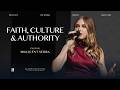
Culture currently wrestles with confusion about gender, marriage, and human worth, and secular narratives push definitions that contradict Scripture. The Bible defines male and female as purposeful creations of God, and this clarity demands a public witness rather than private silence. Political disengagement grew into a lie that ceded public morality to the state; Scripture’s heroes repeatedly confronted rulers, and Romans 13 frames government as God’s servant, not God itself. Human life bears God’s image, so the value of the unborn belongs to God alone, and Christians historically stood against infanticide and other assaults on life because belief in divine creation rejects the notion of human life as mere matter.
Children carry spiritual significance: Psalm 127 compares offspring to arrows in a warrior’s hands, and raising children advances the kingdom by launching new witnesses against evil. Parental responsibility for education and formation matters because schools can shape worldview; the public school system’s origins aimed to remove Christian influence, and modern curricula often reflect that legacy. Handing children entirely to the state cedes authority that God entrusted to families. Marriage likewise falls under divine jurisdiction; God designed marriage in Genesis, and only the Creator has authority to define its purpose and structure. Reducing marriage to private feelings or merely mutual affection opens a slippery slope that undermines moral categories and invites further cultural decay.
Sin distorts desires, but the gospel offers transformation. Christ’s crucifixion defeats sin’s power and makes new birth possible; every person encounters the call to repent and receive exchanged righteousness. Worship and prayer remain primary acts of allegiance that no earthly law may rightfully silence. Even when legal penalties threaten, Scripture models faithful public devotion and bold intercession. Prayer functions as a weapon that frees captives and shifts nations, and boldness in speech and worship counters cultural pressure to be ashamed of God’s Word. The summons remains clear: reclaim public truth, defend life, raise children to fear God, uphold marriage as God ordained it, and pray unashamedly, trusting that God transforms hearts and nations.
Key Takeaways
- 1. Christians must engage in politics Christians hold a biblical mandate to shape public life because many biblical heroes confronted rulers. Political neutrality often becomes cultural surrender, and silence hands moral authority to those who reject God’s standards. Public truth-telling protects vulnerable lives and preserves the conditions for gospel witness. [07:30]
- 2. Sanctity of life belongs to God Every human being reflects God’s image, so the state lacks ultimate authority to define the worth of the unborn. Treating persons as expendable flows from a worldview that denies divine creation; affirming intrinsic worth flows from Scripture. Defending life grows from theology, not mere policy preference. [14:47]
- 3. Children are arrows against hell Children function as spiritual weapons when parents intentionally transmit faith and training. The problem is never the child but whose hands carry the arrows; raised for God, they become threats to darkness. Viewing offspring as legacy reframes sacrifice into kingdom strategy. [22:45]
- 4. Do not hand children to Caesar Entrusting formation entirely to public institutions cedes spiritual authority and invites hostile indoctrination. Parents must examine curricula, engage school leaders, and use every lawful means to protect gospel formation. Responsibility for discipleship rests primarily with families, not the state. [28:54]
- 5. Worship and prayer defy Caesar Worship belongs to God alone, and prayer resists any law that would silence devotion. When authorities restrict public faith, faithful prayer and bold witness reveal that spiritual allegiance transcends civil coercion. Persistent intercession remains the church’s most powerful public posture. [43:08]
Youtube Chapters
- [00:00] - Welcome
- [02:43] - Opening gratitude and context
- [04:04] - Women, gender, and cultural confusion
- [07:30] - Christians and political engagement
- [11:06] - Government’s God-given role
- [14:47] - The sanctity of human life
- [21:50] - Children as arrows and blessing
- [25:53] - Origins and risks of public education
- [30:35] - Marriage as God’s design
- [40:37] - Gospel, new birth, and freedom
- [43:08] - Worship, prayer, and legal threats
- [49:00] - Prayer, boldness, and closing charge
- [51:17] - Final declaration and benediction