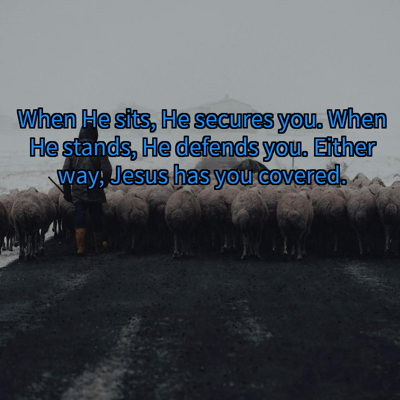
Scripture anchors a sustained reflection on the posture of King Jesus at the right hand of God and the practical implications for those running the race of faith. Hebrews 12:1–2 frames the Christian life as a race to be run with endurance, surrounded by a cloud of witnesses and sustained by fixing the eyes on Jesus, the founder and perfecter of faith. The image of Jesus seated at God’s right hand carries historical and theological weight: sitting signals completed work, settled authority, and reigning peace—proof that atonement stands final and victory has already been won. By contrast, the vision in Acts of Stephen shows the Son of Man standing at the right hand, a posture that conveys active engagement, advocacy, honor, and timely intervention.
Ancient cultural practices illuminate both postures: a seated king signals conquest concluded and judgment established; a rising monarch signals extraordinary honor or intervention. Hebrews contrasts the perpetual standing of Levitical priests with Christ’s single, decisive sacrifice and subsequent rest—Jesus sat because the sacrificial task finished once for all. Standing, as in Stephen’s vision, pictures the King rising for the needy, standing as advocate before the Father, and embodying solidarity with those who suffer or face accusation.
The reflection applies these truths to spiritual life: runners must lay aside every weight and sin that clings closely, since unnecessary burdens slow movement toward the prize. Confidence in a seated King frees believers from performance-driven attempts to earn reconciliation; the case stands closed in Christ’s finished work. Simultaneously, confidence in a standing King reassures the wounded that divine advocacy and engagement occur in moments of trial. Together these postures form a pastoral logic: Christ reigns in rested victory and also rises in compassionate action—so the race proceeds under sovereign rest and present help, not under abandonment or uncertainty.
Key Takeaways
- 1. Seated Christ signals the finished work The posture of sitting at God’s right hand communicates a final, decisive completion of redemptive labor. That completed atonement changes the footing of faith: effort no longer earns acceptance but flows from resting in what has already been accomplished. This security reframes spiritual striving as response rather than performance and anchors hope in accomplished reality.
- 2. Standing Christ rises as faithful advocate When the King stands, the posture declares active intervention on behalf of the afflicted and accused. Standing embodies honor, advocacy, and readiness to receive and strengthen those under attack. This image reassures that divine sympathy and judicial defense accompany suffering, not merely distant sovereignty.
- 3. Lay aside weights that slow Every unnecessary burden—worry, distraction, unhealthy attachment—hinders endurance along the race’s path. Intentional release creates spiritual space for God’s sustaining work and clears vision to pursue what matters most. Letting go becomes a disciplined trust that the King’s provision, not accumulation, secures progress.
- 4. Run the race looking to Jesus Fixing the gaze on Christ aligns motive, endurance, and direction with the Founder and Perfecter of faith. Such attention transforms setbacks into training grounds for perseverance and reframes trials under the sovereignty of a King who both reigns and intervenes. Running thus becomes a sustained, hope-shaped movement borne by finished victory and present advocacy.