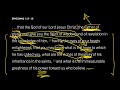
Experiencing the Glory: Paul's Prayer for Enlightenment
Devotional
Day 1: God as Our Redeemer and Provider
The designation of God as "the God of our Lord Jesus Christ" highlights the unique relationship through which God becomes our redeemer and provider. This transformation is profound, as it shifts our relationship with God from one of enmity to one of hope and covenant love. Through Jesus Christ, we are reconciled to God, and He becomes not only our Creator but also our Redeemer and Provider. This relationship is the foundation of our hope, as it assures us of God's unwavering commitment to us. Understanding this relationship invites us to live in the assurance of His love and provision, knowing that we are no longer enemies but beloved children. [02:58]
Ephesians 2:13-14 (ESV): "But now in Christ Jesus you who once were far off have been brought near by the blood of Christ. For he himself is our peace, who has made us both one and has broken down in his flesh the dividing wall of hostility."
Reflection: Think of a time when you felt distant from God. How can you embrace the truth of being reconciled to Him through Christ today?
Day 2: Experiencing the Glory of God
The title "Father of glory" emphasizes the centrality of glory in God's eternal decrees and historical acts. This glory is not just a distant concept but is meant to be seen and experienced by believers. It is the essence of our hope and inheritance, inviting us to perceive the divine majesty in our lives. The glory of God is revealed in His actions and promises, and as believers, we are called to witness and partake in this glory. By understanding God as the "Father of glory," we are encouraged to seek and experience His presence in our daily lives, recognizing His hand in both the grand and the mundane. [06:04]
2 Corinthians 3:18 (ESV): "And we all, with unveiled face, beholding the glory of the Lord, are being transformed into the same image from one degree of glory to another. For this comes from the Lord who is the Spirit."
Reflection: How can you intentionally seek to experience God's glory in your daily routine today?
Day 3: Enlightenment of the Heart
Paul's prayer for the enlightenment of our hearts is a call to perceive the glory inherent in our hope, inheritance, and God's power, which is demonstrated in the resurrection of Christ. This enlightenment is not merely intellectual but deeply spiritual, allowing us to grasp the profound truths of our faith. The resurrection of Christ is a testament to the immeasurable greatness of God's power, and through this power, we are invited to live in the reality of new life. By praying for enlightenment, we open ourselves to a deeper understanding of God's purposes and the transformative power of His glory in our lives. [08:56]
Colossians 1:12-13 (ESV): "Giving thanks to the Father, who has qualified you to share in the inheritance of the saints in light. He has delivered us from the domain of darkness and transferred us to the kingdom of his beloved Son."
Reflection: In what ways can you seek God's enlightenment to better understand His power and purpose in your life today?
Day 4: The Miracle of Spiritual Vision
The miraculous transformation of our spiritual vision is necessary to truly see and appreciate the glory of God, which requires divine intervention and the spirit of wisdom and revelation. Without this transformation, we remain blind to the divine beauty and majesty that surrounds us. It is through the Father of glory that we receive the ability to perceive His presence and work in our lives. This spiritual vision is not just about seeing but about understanding and experiencing God's glory in a way that transforms our hearts and minds. By seeking this vision, we align ourselves with God's eternal purposes and open our lives to His transformative power. [11:13]
Isaiah 42:6-7 (ESV): "I am the Lord; I have called you in righteousness; I will take you by the hand and keep you; I will give you as a covenant for the people, a light for the nations, to open the eyes that are blind, to bring out the prisoners from the dungeon, from the prison those who sit in darkness."
Reflection: What specific area of your life do you need God to open your spiritual eyes to see His glory more clearly?
Day 5: Experiential Knowledge of God's Glory
The prayer is not just about intellectual understanding but about a deep, experiential knowledge of God's glory, which transforms our lives and aligns us with His eternal purposes. This knowledge goes beyond mere facts and doctrines; it is a lived experience of God's presence and power. As we grow in this experiential knowledge, we are transformed into the likeness of Christ, living out His purposes in our daily lives. This transformation is a testament to the power of God's glory at work within us, calling us to live in alignment with His will and to reflect His glory to the world around us. [11:51]
Ephesians 3:16-19 (ESV): "That according to the riches of his glory he may grant you to be strengthened with power through his Spirit in your inner being, so that Christ may dwell in your hearts through faith—that you, being rooted and grounded in love, may have strength to comprehend with all the saints what is the breadth and length and height and depth, and to know the love of Christ that surpasses knowledge, that you may be filled with all the fullness of God."
Reflection: How can you cultivate a deeper, experiential knowledge of God's glory in your life today, and what steps can you take to align your actions with His eternal purposes?
Sermon Summary
In this session, we delve into Paul's prayer in Ephesians 1:17-19, focusing on the profound designations of God as "the God of our Lord Jesus Christ" and "the Father of glory." These titles are not mere formalities; they are foundational to understanding the nature of our relationship with God and the essence of our hope and inheritance. God is described as the God of our Lord Jesus Christ, not to imply He is distant from us, but to highlight the unique relationship through which He becomes our God. This relationship is the bedrock of our hope, as it is through Jesus Christ that we are reconciled to God, transforming Him from an enemy to a redeemer and provider.
The title "Father of glory" is particularly significant. It underscores the central theme of glory in Ephesians 1:3-14, where God's eternal decrees and historical acts are revealed as manifestations of divine glory. This glory is not just a distant concept but is meant to be seen and experienced by believers. Paul prays for the enlightenment of our hearts so that we may perceive the glory inherent in our hope, inheritance, and the immeasurable greatness of God's power. This power, demonstrated in the resurrection of Christ, is a testament to the glory of the Father, who raises us to new life.
The prayer is a call for a miraculous transformation of our spiritual vision. Without divine intervention, we remain blind to the glory of God. Paul emphasizes that it is only through the Father of glory that we can receive the spirit of wisdom and revelation necessary to truly see and appreciate the glory of God. This prayer is not just about intellectual understanding but about a deep, experiential knowledge of God's glory, which transforms our lives and aligns us with His eternal purposes.
Key Takeaways
1. The designation of God as "the God of our Lord Jesus Christ" highlights the unique relationship through which God becomes our redeemer and provider, transforming our relationship with Him from one of enmity to one of hope and covenant love.[02:58]
2. The title "Father of glory" emphasizes the centrality of glory in God's eternal decrees and historical acts, inviting us to see and experience this glory as the essence of our hope and inheritance.[06:04]
3. Paul's prayer for the enlightenment of our hearts is a call to perceive the glory inherent in our hope, inheritance, and God's power, which is demonstrated in the resurrection of Christ.[08:56]
4. The miraculous transformation of our spiritual vision is necessary to truly see and appreciate the glory of God, which requires divine intervention and the spirit of wisdom and revelation.[11:13]
5. The prayer is not just about intellectual understanding but about a deep, experiential knowledge of God's glory, which transforms our lives and aligns us with His eternal purposes. [11:51] ** [11:51]
What are the two titles Paul uses to describe God in Ephesians 1:17, and what significance do they hold in the context of his prayer? [01:20]
According to the sermon, how does Paul describe the transformation of our relationship with God through Jesus Christ? [02:58]
In Ephesians 1:18, Paul prays for the enlightenment of the heart. What are the three things he wants believers to know as a result of this enlightenment? [07:14]
How does the sermon explain the connection between God's glory and the resurrection of Christ? [09:38]
---
Interpretation Questions:
Why does Paul emphasize the need for a "spirit of wisdom and revelation" in understanding God's glory, and how does this relate to our spiritual growth? [00:38]
The sermon mentions that without divine intervention, we remain blind to God's glory. How does this idea challenge or affirm your understanding of spiritual insight? [11:13]
How does the concept of God as "the Father of glory" deepen our understanding of the hope and inheritance mentioned in Ephesians 1:18? [06:19]
In what ways does the sermon suggest that the resurrection power of Christ is a demonstration of God's glory? How does this impact our view of God's power in our lives? [09:38]
---
Application Questions:
Reflect on your current relationship with God. How does understanding Him as "the God of our Lord Jesus Christ" change your perspective on this relationship? [02:58]
Paul prays for the enlightenment of our hearts to perceive God's glory. What practical steps can you take this week to seek this enlightenment in your daily life? [07:14]
Consider the idea that without divine intervention, we remain blind to God's glory. What specific areas of your life do you feel need God's intervention for you to see His glory more clearly? [11:13]
The sermon highlights the importance of experiencing God's glory, not just understanding it intellectually. How can you cultivate a deeper, experiential knowledge of God's glory in your spiritual practices? [11:51]
How does the resurrection power of Christ, as a testament to God's glory, inspire you to trust in God's power in your own life challenges? [09:38]
Identify one aspect of your life where you struggle to see God's glory. What is one action you can take this week to open your heart to His presence in that area? [10:36]
The sermon discusses the transformation of our spiritual vision. What specific distractions or obstacles in your life might be hindering this transformation, and how can you address them? [11:13]
Sermon Clips
God is not called the god of our lord jesus christ as if he were not our god like god of our lord jesus but not god of us but rather and full of hope he's the god of our lord jesus in such a way as to become the foundation of his becoming our god apart from his being the god of our lord jesus christ uniquely he would only remain our enemy god is not our god in any hopeful or covenant way any loving way unless he's the god of the lord jesus christ. [00:02:36]
This is jesus christ the god man who is lord of all and god is the god of this god man because his godness decreed from before the foundation of the world that his son would become jesus christ die for sinners rise again become the lord of all and that transaction which god set in motion as the god of the lord jesus enables us forgiven sinners through jesus to have god as our god. [00:03:18]
So god being the god of the lord jesus is meant to sound like a redeemer providing god a hope giving god which makes him a perfect designation or makes this a perfect designation for one to whom you would pray expectantly that things good and helpful would happen. [00:03:52]
He separates off the fatherhood of god and says he's the father of glory now why why is he called the father of glory i want to suggest three reasons number one because he has already shown in verses 3 through 14 that the reality being set forth in these verses is essentially glory and he expects us to see it. [00:04:38]
This whole unit is the shining forth in the deeds of god in eternal decrees and historical acts of divine glory and we know that because the aim of it all is stated three times we're chosen we're predestined to the praise of his glorious grace the praise of the glory of his grace literally he works all things according to the council of his will to the praise of his glory. [00:05:21]
He means for us to see glory in each of the three things that he prays for here and therefore he's asking that our eyes the eyes of our hearts be enlightened and that we be given a spirit of wisdom and revelation so that we can know and here's the middle once there's one the hope to which we've been called the riches of the glory of his inheritance. [00:07:00]
Think about this that you may know what is the hope to which he has called you what is that what is the hope to which he's called us romans 5 2 through him we have obtained access by faith into this grace in which we stand and we rejoice in the hope of the glory of god that's the content of our hope. [00:08:12]
He's praying to the father of glory so that we would see the glory of our hope he's praying to the father of glory that we would see the glory of the inheritance and what about this third one he wants us to see the immeasurable greatness of his power let me add what follows here power that accords with the working of his great might. [00:08:53]
The resurrection power that is being described here the power that is according to the working of his great might that he worked in christ when he raised him from the dead and he raised him by glory so we are to see the glory of the father there as well so those are my first two reasons why he pauses to say i'm praying to the father of glory. [00:09:43]
The second reason is because he's praying that the eyes of our hearts would be open to see the glory of hope and the glory of the inheritance and the glory of the power one last reason for why i think the father is called the father of glory namely that we can't see we can't see glory without the miracle that he's praying for. [00:10:16]
God who said at the beginning when he created the world that light shine out of darkness he's done the same thing by creating new people new hearts that can see glory he has shown in our hearts to give the light of the knowledge of the glory of god so it's clear from this that paul is praying this is his prayer he's praying for what must happen if we are to see glory. [00:11:02]
The god of our lord jesus this beneficent god who is undertaken in the lord jesus to make him our god is the father of glory and as the father of glory who else is better suited to grant us a kind of spirit and to grant us the kind of eyes that can see the riches of glory so that's what we're about to see how this prayer is designed to make the seeing of glory possible. [00:11:37]