John saw a great white throne. The dead, both great and small, stood before it. Books were opened, including the book of life. The dead were judged by what they had done. Death and Hades gave up their dead. Anyone whose name was not found in the book of life was thrown into the lake of fire.
This scene in Revelation is the final judgment. It is the ultimate destination for those who reject Christ. This is not a metaphor. It is a real, eternal place of separation from God. Jesus spoke of this place more than anyone else, calling it Gehenna.
You have an eternal destination. This life is not the end. The choices you make here have eternal consequences. The reality of hell should break our comfortable hearts and stir us to action. Do you live with the sobering awareness that those around you are stepping into an eternity without Christ?
And I saw the dead, great and small, standing before the throne, and books were opened. Then another book was opened, which is the book of life. And the dead were judged by what was written in the books, according to what they had done. And the sea gave up the dead who were in it, Death and Hades gave up the dead who were in them, and they were judged, each one of them, according to what they had done. Then Death and Hades were thrown into the lake of fire. This is the second death, the lake of fire. And if anyone’s name was not found written in the book of life, he was thrown into the lake of fire.
(Revelation 20:12–15, ESV)
Prayer: Ask God to break your heart for the lost people in your life who are without Christ.
Challenge: Write down the names of three people you know who need to hear the gospel.
Paul described a moment that will come without warning. It will happen in the twinkling of an eye. The last trumpet will sound. The dead will be raised imperishable. Those who are alive will be changed. Our mortal bodies must put on immortality.
This is the rapture of the church. It is the next event on God's prophetic calendar. It will be sudden and will surprise everyone. This event sets the final judgment in motion. For believers, it is a glorious hope. For those left behind, it begins a time of great tribulation.
Many of us live as if this day will never come. We plan for tomorrow without considering Christ's sudden return. This truth should fill us with urgency for the lost and hope for our future. Are you living today in light of Christ’s imminent return?
in a moment, in the twinkling of an eye, at the last trumpet. For the trumpet will sound, and the dead will be raised imperishable, and we shall be changed. For this perishable body must put on the imperishable, and this mortal body must put on immortality.
(1 Corinthians 15:52–53, ESV)
Prayer: Pray for a renewed sense of urgency to share your faith before Christ returns.
Challenge: Set aside five minutes today to intercede for the salvation of the people on your list.
Jesus described hell as a place of outer darkness. He said there would be weeping and gnashing of teeth. He called it the eternal fire prepared for the devil and his angels. It is a place of punishment, torture, and no rest. The smoke of torment rises forever.
Hell was not God's original plan for humanity. It was created for the devil and his demons. People only go there by rejecting God's free gift of salvation through Jesus. It is a place of total separation from God's presence, comfort, and hope.
We often soften the reality of hell because it is uncomfortable. We prefer to focus on God's love and ignore His justice. But understanding the reality of judgment makes the grace of the cross all the more amazing. When was the last time the reality of hell moved you to tears?
Then he will say to those on his left, ‘Depart from me, you cursed, into the eternal fire prepared for the devil and his angels.
(Matthew 25:41, ESV)
Prayer: Confess any complacency you have toward the lost and ask for God's heart for them.
Challenge: Identify one practical way you can show Christ's love to someone on your list this week.
If there were no hell, God would not be just. His righteousness demands that sin be paid for. If there were no hell, humanity would not be truly free. Our choices would have no eternal weight. If there were no hell, Jesus would not be needed. His death on the cross would be meaningless.
God's wrath is not a cranky explosion. It is His settled opposition to the cancer of sin. His love and His wrath are two sides of the same coin. The cross is where both met. Jesus took the hell we deserve so we could have the heaven we don't.
We want justice for crimes in this world, yet we question God's right to judge sin. We forget that we all deserve hell. Mercy is not getting what we deserve. Grace is getting what we don't deserve. Do you truly grasp the wonder of the grace that saved you from judgment?
For the wages of sin is death, but the free gift of God is eternal life in Christ Jesus our Lord.
(Romans 6:23, ESV)
Prayer: Thank Jesus for taking the punishment you deserved and giving you eternal life.
Challenge: Call or text one person on your list to let them know you are praying for them.
Charles Spurgeon said if sinners be damned, they should leap to hell over our dead bodies. He said if they perish, they should perish with our arms wrapped about their knees, imploring them to stay. This is the heart of the gospel. This is why the church exists.
The American church can become distracted by comfort and preferences. We can spend more time praying for sick Christians than for lost souls. But our primary purpose is to win the lost. We must share the gospel, invite people to church, and pray fervently.
This is not just about doctrine. It is about destiny. People are either lost or they are saved. There is no in-between. We have the answer to eternity. We must share it. What specific step will you take this week to warn someone about the judgment to come?
I have become all things to all people, that by all means I might save some.
(1 Corinthians 9:22b, ESV)
Prayer: Ask God for boldness to share what He has done in your life with someone who is lost.
Challenge: Invite one person on your list to join you for a church service or a conversation about Jesus.
The series frames pillars as life-supporting structures and uses that image to address eternity as a foundation for faith. Eternity sits at the core of human experience, placed in the heart by God, and will manifest as one of two real, eternal destinations: heaven or hell. Scripture receives priority as the source for understanding what comes after death; Revelation 20 and other New Testament passages give a sober, concrete account of final judgment, resurrection, and the lake of fire for those whose names are not found in the book of life. The narrative of end-time events unfolds in sequence: the sudden return of Christ (the rapture), the resurrection of believers, a seven-year tribulation, the millennial reign with Christ, and the Great White Throne judgment when death and Hades are cast into the lake of fire.
Hell receives particular attention as an actual place of unending torment and separation from God. The New Testament term Gehenna, rooted in a valley associated with refuse, fire, and abhorrent practices, functions as a vivid image of divine judgment—darkness, unending flame, memory of rejected grace, and irreversible separation. Jesus’ frequent use of Gehenna communicates both moral seriousness and legal consequence: sin merits judgment, and God’s righteousness requires it. The existence of hell protects human freedom, upholds divine justice, and establishes the necessity of Christ’s atoning work; without hell, justice, freedom, and the meaning of the cross would unravel.
The cultural tendency to trivialize or romanticize hell receives critique: modern portrayals and casual language have dulled the church’s urgency. The consequence of that desensitization appears in misplaced priorities—comfort, style, and internal concerns displacing evangelistic zeal. The text calls for renewed burden for the lost through prayer, invitation, and bold sharing of the gospel. Salvation receives a simple, trustworthy outline of repentance and faith in Christ’s person, work, and lordship. The concluding appeal insists on active compassion: if hell is real, the church must plead, pray, and labor so that none should perish without a clear warning and an offered way of rescue.
The idea is that when you face tough times in life, you need to know your faith can withstand the trials, storms, and earthquakes of life.
God has placed eternity in the heart of every person; eternity is at the very essence of who we are.

Even with incredible technology, the world can’t answer what happens after death; there is not an app for that.
Eternity is a promise; God set it in our hearts, and there's no getting around the fact we will all face our eternity.
Everyone will spend eternity in one of two places: heaven or hell. The choice is ours to make now.

Don’t let this be an intellectual exercise only; this series is not just doctrine, but also destiny.

The American church has grown comfortable while people step into eternity without Christ; that reality should break our hearts.
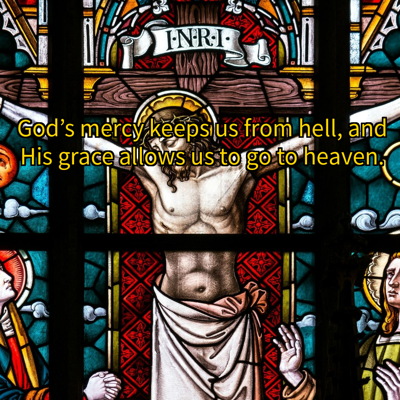
God’s mercy keeps us from hell, and His grace allows us to go to heaven.

We need to win the lost in our lives; share the gospel, invite people, and pray for those who don't know Christ.
Christianity is the only religion where the central event is the humiliation and death of its God.

Add this chatbot onto your site with the embed code below
<iframe frameborder="0" src="https://pastors.ai/sermonWidget/sermon/eternity-meaning" width="100%" height="100%" style="height:100vh;"></iframe>Copy