Prayer anchors the theology of the closing of Ephesians 6:18–23 and functions as the warrior’s tool rather than a polite afterthought. Prayer appears as both continuous posture—“praying at all times in the Spirit”—and practical discipline: immediate, prompted petitions, heartfelt supplication, and intercession for others. Prayer also serves as a barometer of faith: hard times reveal true spiritual temperatures, and the instinctive responses to trials expose whether prayer is first recourse or last resort. Historical examples from Scripture—Jehoshaphat’s cry for help, Isaiah’s temple encounter, and the men of Issachar—illustrate prayer shifting people from panic and politicking into dependence and clarity.
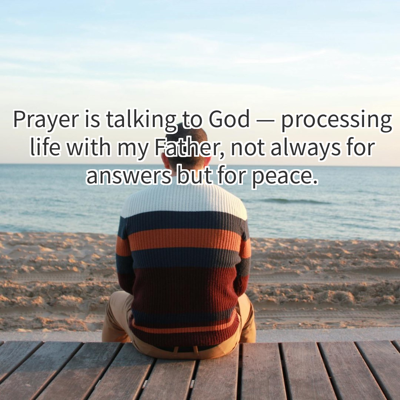
Prayer expresses two related actions: conversation with God and specific asking. Conversation offers processing and peace, a way to walk through grief, anger, or confusion while resting beneath God’s sovereignty. Supplication invites bold asking because the heavenly Father knows how to give good gifts; the discipline of petitioning resists a passive faith that expects little. Intercession redirects personal focus outward, mobilizing the community to bear one another’s burdens through persevering supplication after gatherings and during daily life.
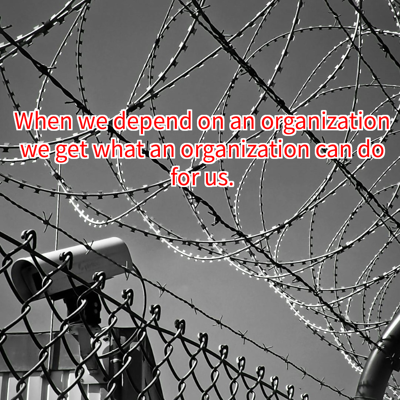
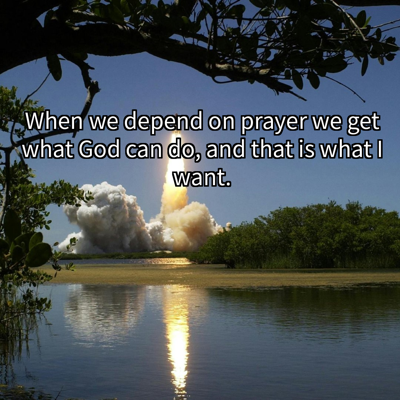
Prayer pairs with watchfulness. “Watch and pray” recurs across Scripture and cultivates spiritual alertness: those who watch unto prayer begin to notice needs, injustices, and divine promptings that others miss. Prayer creates receptivity to the Spirit’s nudges, enabling timely action and divine revelation. Dependence on prayer holds a theological conviction about God’s majesty and unpredictability; when prayer becomes primary, the church receives God-sized outcomes rather than merely what programs, institutions, or human effort can produce. The closing rhythm of Ephesians returns to earlier petitions in the letter, underscoring prayer as both origin and culmination of spiritual life and mission.
Key Takeaways
- 1. Pray as the first response Prayer should be the immediate posture when pressure arrives, not the last resort. Making prayer the first reflex turns crises into opportunities for dependence rather than for frantic control. This discipline reframes problems under God’s authority and exposes self-reliant habits. Regularly choosing prayer first reshapes character and decision-making over time.
- 2. Pray immediately when prompted Prompted prayer—lifting a name or need as it comes—trains spiritual reflexes and honors the Spirit’s nudges. Small, spontaneous petitions stitch together a life of dependence and keep burdens from festering into despair. Practiced often, prompted prayer cultivates compassion and a habit of intercession. It also preserves mental space for clarity and peace amid daily chaos.
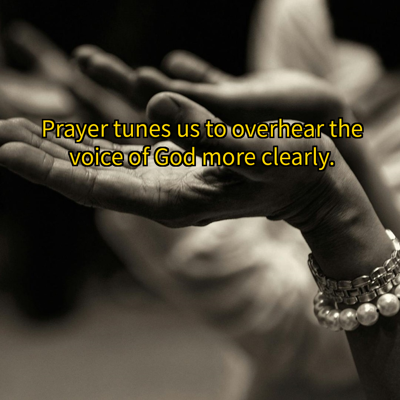
- 3. Watchfulness sharpens spiritual sight Watching unto prayer fosters alertness that discerns deeper realities—needs, spiritual dynamics, and God’s opportunities. That vigilance prevents passive bystanding and compels informed, timely intercession and action. Watching cultivates the capacity to hear God’s voice amid noise and to stand where help can be decisive. Such eyes-open prayer makes few people sufficient for many tasks.
- 4. Make intercession for the saints Intercession shifts focus from personal agendas to communal bearing of burdens, creating spiritual leverage for the body. Persistent supplication for others sustains congregational health and invites God’s intervention in tangled situations. Committing to pray for the saints builds solidarity, exposes hidden needs, and aligns the community with God’s will. Intercessory discipline enacts love that costs time and attention but yields spiritual fruit.
- 5. Depend on God, not programs Dependence on prayer aims at God’s power rather than organizational competence. When reliance settles on structures or methods alone, outcomes reflect human limits; when reliance rests on God through prayer, outcomes may bear God’s unexpected and majestic work. Choosing prayer over program cultivates awe, humility, and openness to divine action beyond predictability. That posture keeps the church oriented toward revelation rather than managerial neatness.