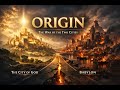
John 3 frames a clear conflict between two kingdoms: the kingdom of God and the kingdom of the flesh. Nicodemus appears as a curious, observant ruler who admires Jesus’ signs, but he lacks the inner sight and entry into God’s kingdom. The passage distinguishes two essential realities for salvation: seeing the kingdom and entering the kingdom. Seeing the kingdom means spiritual perception—eyes and mind opened to the movement and presence of God. Entering the kingdom means a decisive change of identity: spiritual birth, a personal shift from flesh to spirit that produces new citizenship and holy purpose.
The narrative uses concrete examples to make these truths accessible. Observing vibrant prayer life and visible communion with God illustrates how kingdom reality looks and draws others in. The text insists that mere external exposure to kingdom fruit does not equal belonging; seeing the kingdom requires being born again so the Spirit can open understanding. Likewise, Jesus links seeing with entering: perception alone invites, but rebirth brings participation. Scripture references reinforce this pattern—Luke’s opening of minds to scripture and Ephesians’ language of fellow citizenship and sainthood highlight the practical outcomes of entering the kingdom.
Practical challenges emerge from the text. Believers must examine whether spiritual sight has dimmed and whether habits have replaced active kingdom living. Repentance and persistent spiritual disciplines restore vision and keep life from stumbling. The passage calls for bold, earnest engagement: vocal prayer, public compassion, confident hope, and authority rooted in identity as citizens of heaven. Salvation becomes a lived reality that reorients everyday actions—how people pray, how communities give, how individuals carry authority and mercy into neighborhoods. The invitation at the close stresses immediate response: those who lack sight or entry receive a clear opportunity to be born of water and Spirit and to assume the calling, identity, and mission of the kingdom.
Key Takeaways
- 1. See the kingdom with clarity Spiritual sight transforms perception into participation. Seeing the kingdom means the Spirit opens mind and eyes so God’s movement registers as real and immediate, not merely admirable. When vision returns, ordinary moments become venues of kingdom advance and discernment. This sight invites response rather than passive observation. [39:09]
- 2. Enter the kingdom through rebirth True entry requires spiritual birth, not mere ritual or attendance. Being born of water and Spirit reassigns identity from flesh to citizen of heaven and enables a life that actively practices kingdom ethics. That new birth produces bold obedience, not just warm sentiment. The change proves itself in persistent, kingdom-shaped living. [54:19]
- 3. Pray aloud; let faith show Visible, honest prayer models intimacy and fights privacy that hides dependence on God. When prayer becomes public and conversational, it invites others to see how God meets real need and gives the church authority in suffering. Vocal prayer also disciplines faith to declare hope into circumstances rather than merely confessing fear. [36:24]
- 4. Claim citizenship; live with purpose Citizenship in heaven reframes daily choices as sacred duty and privilege. Identifying as a fellow saint shifts conduct, speech, and service toward sustaining the household of God and displaying his excellencies to others. That identity endows believers with authority, courage, and a long view of suffering and mission. [1:02:44]
Youtube Chapters
- [00:00] - Welcome
- [09:26] - Announcements & Weekly Calendar
- [13:00] - Giving, Provision, and Testimony
- [14:08] - Opening Prayer and Worship
- [27:51] - Reading John 3: Nicodemus Enters
- [39:09] - Seeing the Kingdom Explained
- [54:19] - Entering the Kingdom: Rebirth
- [1:02:44] - Citizenship, Saints, and Identity
- [1:11:27] - Altar Call: Salvation & Repentance
- [1:17:33] - Worship, Closing Prayers, Dismissal