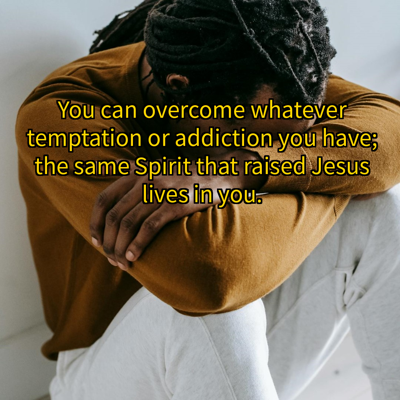
Romans 6:4 presents burial with Christ through baptism and rising with Him into a new way of living. The empty tomb stands not as a decoration but as a declaration of victory over death, calling for a clear, decisive response: belief or rejection. The resurrection undoes the power of past sin by offering full forgiveness and a radical inward change—newness of life rather than merely outward conformity. The empty grave severs chains that once held people captive; sins, failures, and the haunting guilt of yesterday lose their finality in the face of grace. The same Spirit that raised Jesus empowers present living: believers receive strength to resist temptation, break addictions, endure storms, and carry on when natural resolve fails. That empowering presence makes abundant life tangible now, not only in future hope.
The risen Christ issues a responsibility: witness. The call to testify arises from the reality of deliverance—stories of rescue from moral failure, demonic oppression, addiction, blindness, and despair function as living proofs of grace for a watching world. Personal testimony bears unique authority where doctrine alone will not persuade. The gospel’s invitation remains immediate and urgent: faith today secures knowing assurance of eternal life rather than a vague hope. The resurrection also points forward. Because Jesus rose, His return gains certainty; the empty tomb becomes the mid-point in a larger story that culminates in His coming to receive the redeemed. Readiness matters now because there is no second chance after death and because the Lord will inspect the life entrusted to His people when He returns. The resurrection therefore shapes identity (new creature in Christ), present conduct (live like He lives in you), mission (bear witness), and hope (expect His return). The tomb’s emptiness reorients every season of life—from repentance and power to witness and future consummation—calling for lives that visibly reflect risen reality.
Key Takeaways
- 1. Resurrection demands a decisive response Belief in the risen Christ leaves no neutral ground; it forces a posture of surrender or rejection. Response means changes in allegiance, priorities, and daily obedience, not merely assent to doctrine. A decisive yes opens the door to forgiveness and new identity; a no leaves one under the verdict of condemnation. Choosing now prevents spiritual drift and anchors hope in certitude.
- 2. The empty tomb defeats past guilt Forgiveness through Christ cancels the finality of failures and shames that haunt memory. Freedom involves an internal reordering—sins no longer define status before God because grace has broken their power. Moving forward requires refusing to reattach to the very chains Christ removed. Rest in that forgiveness fuels practical transformation, not license to repeat sin.
- 3. Present power comes from the Spirit The same Spirit who raised Jesus dwells in believers and enables holiness, endurance, and victory over strongholds. Power is practical: it sustains in storms, breaks patterns of addiction, and supplies strength when resolve wanes. Dependence on that indwelling Spirit turns moral striving into Spirit-led fruitfulness. Cultivating intimacy with the Spirit produces ongoing, observable change.
- 4. Believers are called to witness Personal testimony translates redemption into the language of everyday life and pierces hardened skepticism. Witness involves naming what God has done, not crafting perfection, so others see a plausible path to freedom. Sharing a real story meets a real need and invites honest questions rather than abstractions. Faith that is kept private robs the community of potential hope.
- 5. Resurrection points to Christ’s return The resurrection guarantees eschatological fulfillment: the Lord will come again to gather His own. Hope rooted in that promise shapes present holiness and urgency, because lives will be examined when the Owner returns. Living in readiness rejects complacency and fuels faithful stewardship of gifts and relationships. Expectation of His return comforts grief and disciplines daily choices.