
Embracing Gratitude: Breaking Barriers and Misjudgments
Sep 15, 2024
Devotional
Sermon Summary
Bible Study Guide
Sermon Clips
1. "Prejudgments about people, and you know, this often lead to misjudgments, right? And you've experienced that maybe in some way or another that you prejudge someone. We're all predisposed to prejudge people because of something that they may say, or maybe you observe them, you see them. And then actually, then you get to know them a little bit. And you're like, you know what? They're, they're really not like what I thought. They're different. Or I really love this person, but you didn't know that up front until you get to what? Know them talk with them and learn about their heart and experience time with them." [26:48] (39 seconds) (Download raw clip | Download cropped clip)

2. "What I'm hopeful for in this series is that, that, that you'll have intellectual honesty in looking actually at Jesus and seeing who he is. And this is what I've been praying for you. With love in my heart, I hope so much that you would see Jesus for who he really is. You would see who he is. You would see how he treats people. You would see how kind he is and good he is. Despite the hypocrisy of people who follow him, how we mess it up sometimes, I'm praying you see him for who he really is. Amen. I want that for you." [28:19] (36 seconds) (Download raw clip | Download cropped clip)

3. "What I'm praying for is that for some of you, listen to me, I've been praying you'll fall in love with Jesus again. You'll see who he is. You'll realize how crazy he is for you and how much you were on his mind. Even, even as he was going through those ministry years that you and I, that we were on his mind." [29:39] (21 seconds) (Download raw clip | Download cropped clip)

4. "Jesus was coming to knock down those walls that get erected between us because of skin color and because of backgrounds and nationalities and things of this. Jesus is going to, we're going to see over and over. So we see that he is on his way to Jerusalem. Why? Why was he going to Jerusalem? To lay his life down for us. His mind was already set towards the cross, and this is where he was headed." [34:16] (24 seconds) (Download raw clip | Download cropped clip)

5. "What Jesus would do is, Jesus was going to show how he came and how he, loves all people groups, all ethnicities, all colors of skin, all backgrounds, how he came for everyone, not the Jews alone. Jesus was Jewish when he came, but I want you to know that Jesus was coming to knock down those walls that get erected between us because of skin color and because of backgrounds and nationalities and things of this." [34:16] (31 seconds) (Download raw clip | Download cropped clip)

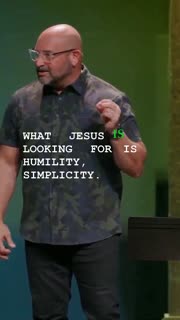
6. "What God is looking for is humility, simplicity. He's looking for us to be real with him and raw. And we see that he's going to tell a story about two kinds of people who are in the place of worship. I want you to process this for a moment. I want you to do an inventory of your own heart. Two kinds of people are in the place of worship. One is this religious kind of person who on the exterior looks like he's kind of got it all together. And then there's one, and that's a religious person, the Pharisee. And then there's one who is a tax collector. And this guy was not a good guy. This guy had done some very wrong things." [52:25] (41 seconds) (Download raw clip | Download cropped clip)
7. "What Jesus does is Jesus takes outsiders and he makes them insiders. Remember where Jesus was going? Where was he on his way to church? Jerusalem. Why was he going there? To die on the cross for our sins. When he would get there. He had a lot of people that loved him. But he had some serious enemies because he was saying he was the son of God. Not just a good teacher. Not just a rabbi. He was declaring that he was the long-awaited Messiah." [01:14:45] (29 seconds) (Download raw clip | Download cropped clip)

8. "Jesus makes the unclean clean. now because of that, do you realize? Look at this temple here. That's in Jerusalem there. Do you see the wall that is right there? Do you know what that wall was in this time? Back in the back, the bigger building, that's where animals were being sacrificed. Jews could go a little closer, but only one guy could go in, the high priest, one time a year, Day of Atonement. Do you see what that wall is right there? That wall was to keep outsiders. could go and be kind of close, but you were still an outsider. That wall was called the court of the Gentiles. That wall was for anyone who was not a Jew." [01:15:51] (47 seconds) (Download raw clip | Download cropped clip)

9. "What Jesus did was he came to knock that wall. He came to knock that wall down, and for all who will believe in him, you get made righteous by grace through faith in Christ. So I want to, before we have communion, I want to ask, have you put your faith in Jesus? He loves you. He came for you. He did for you what you couldn't do. He wants to give you new life. He wants to transfer his righteousness to you. But you've got to humble yourself in a way and essentially say, Lord, have mercy. Help. I can't get to you on my own. Do you see that?" [01:17:39] (42 seconds) (Download raw clip | Download cropped clip)

10. "If Jesus never did a single other thing for me, what he did for me on the cross is enough. But he's done so many other things beyond that and he still does. It acknowledges the giver behind the gift. Inventory of your heart. How do you know? Maybe, maybe you don't have a grateful heart. Well, some ways to kind of explore this. I'm just going to run through these quick symptoms of an ungrateful heart. Why did these others not come back? I don't know the answer to that, but I know some of the reasons why I sometimes don't come back. And maybe you don't come back to say thank you." [01:08:25] (39 seconds) (Download raw clip | Download cropped clip)

Ask a question about this sermon
2. "What I'm hopeful for in this series is that, that, that you'll have intellectual honesty in looking actually at Jesus and seeing who he is. And this is what I've been praying for you. With love in my heart, I hope so much that you would see Jesus for who he really is. You would see who he is. You would see how he treats people. You would see how kind he is and good he is. Despite the hypocrisy of people who follow him, how we mess it up sometimes, I'm praying you see him for who he really is. Amen. I want that for you." [28:19] (36 seconds) (Download raw clip | Download cropped clip)
3. "What I'm praying for is that for some of you, listen to me, I've been praying you'll fall in love with Jesus again. You'll see who he is. You'll realize how crazy he is for you and how much you were on his mind. Even, even as he was going through those ministry years that you and I, that we were on his mind." [29:39] (21 seconds) (Download raw clip | Download cropped clip)
4. "Jesus was coming to knock down those walls that get erected between us because of skin color and because of backgrounds and nationalities and things of this. Jesus is going to, we're going to see over and over. So we see that he is on his way to Jerusalem. Why? Why was he going to Jerusalem? To lay his life down for us. His mind was already set towards the cross, and this is where he was headed." [34:16] (24 seconds) (Download raw clip | Download cropped clip)
5. "What Jesus would do is, Jesus was going to show how he came and how he, loves all people groups, all ethnicities, all colors of skin, all backgrounds, how he came for everyone, not the Jews alone. Jesus was Jewish when he came, but I want you to know that Jesus was coming to knock down those walls that get erected between us because of skin color and because of backgrounds and nationalities and things of this." [34:16] (31 seconds) (Download raw clip | Download cropped clip)
6. "What God is looking for is humility, simplicity. He's looking for us to be real with him and raw. And we see that he's going to tell a story about two kinds of people who are in the place of worship. I want you to process this for a moment. I want you to do an inventory of your own heart. Two kinds of people are in the place of worship. One is this religious kind of person who on the exterior looks like he's kind of got it all together. And then there's one, and that's a religious person, the Pharisee. And then there's one who is a tax collector. And this guy was not a good guy. This guy had done some very wrong things." [52:25] (41 seconds) (Download raw clip | Download cropped clip)
7. "What Jesus does is Jesus takes outsiders and he makes them insiders. Remember where Jesus was going? Where was he on his way to church? Jerusalem. Why was he going there? To die on the cross for our sins. When he would get there. He had a lot of people that loved him. But he had some serious enemies because he was saying he was the son of God. Not just a good teacher. Not just a rabbi. He was declaring that he was the long-awaited Messiah." [01:14:45] (29 seconds) (Download raw clip | Download cropped clip)
8. "Jesus makes the unclean clean. now because of that, do you realize? Look at this temple here. That's in Jerusalem there. Do you see the wall that is right there? Do you know what that wall was in this time? Back in the back, the bigger building, that's where animals were being sacrificed. Jews could go a little closer, but only one guy could go in, the high priest, one time a year, Day of Atonement. Do you see what that wall is right there? That wall was to keep outsiders. could go and be kind of close, but you were still an outsider. That wall was called the court of the Gentiles. That wall was for anyone who was not a Jew." [01:15:51] (47 seconds) (Download raw clip | Download cropped clip)
9. "What Jesus did was he came to knock that wall. He came to knock that wall down, and for all who will believe in him, you get made righteous by grace through faith in Christ. So I want to, before we have communion, I want to ask, have you put your faith in Jesus? He loves you. He came for you. He did for you what you couldn't do. He wants to give you new life. He wants to transfer his righteousness to you. But you've got to humble yourself in a way and essentially say, Lord, have mercy. Help. I can't get to you on my own. Do you see that?" [01:17:39] (42 seconds) (Download raw clip | Download cropped clip)
10. "If Jesus never did a single other thing for me, what he did for me on the cross is enough. But he's done so many other things beyond that and he still does. It acknowledges the giver behind the gift. Inventory of your heart. How do you know? Maybe, maybe you don't have a grateful heart. Well, some ways to kind of explore this. I'm just going to run through these quick symptoms of an ungrateful heart. Why did these others not come back? I don't know the answer to that, but I know some of the reasons why I sometimes don't come back. And maybe you don't come back to say thank you." [01:08:25] (39 seconds) (Download raw clip | Download cropped clip)
Eagles View Church
This sermon · AI assistant

-
I'm an AI bot trained specifically on the sermon from Sep 15, 2024. Do you have any questions about it?