
Embracing God's Favor for Generational Impact and Purpose
Devotional
Sermon Summary
Bible Study Guide
Sermon Clips
### Quotes for Outreach
1. "God's favor is the guarantee of his presence. The provision of his power to accomplish his purposes in and through our lives. I think that's such a good definition of God's favor. Let me say that again. God's favor is the guarantee of his presence. The provision of his power to accomplish his purposes in and through our lives." [06:21] (8 seconds) (Download raw clip | Download cropped clip)

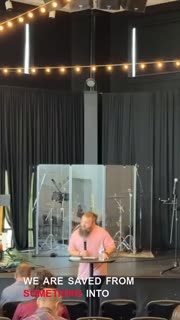
2. "We are saved from something into something for something. We are saved from something into something for something. And that something is the purposes of God. We are saved from ourselves. From our sin. From our past. From our brokenness. Into and for the purposes of God." [10:31] (26 seconds) (Download raw clip | Download cropped clip)
3. "God's blessing and God's favor is not intended. I want us to hear this this morning. God's favor and blessing is not intended to terminate on us. It's intentions. It's end goal is not our happiness and comfort. We need to understand this and we need to hear this. God's blessing. His favor. That we're to walk in. Is not just for us. It's for his plans and purposes. To be fulfilled through us." [11:17] (33 seconds) (Download raw clip | Download cropped clip)

4. "The enemy would gladly. He would gladly tempt us. And lead us down this path. Of comfort. And convenience. As opposed to sacrifice. As opposed to growth. As opposed to purpose. The purposes of God. And honestly those two paths. Are heading in different directions. We could choose the path of happiness and comfort. And that path is there. And it's very tempting." [12:02] (39 seconds) (Download raw clip | Download cropped clip)

5. "We are saved from something. Into something. For something. From our brokenness. From our death. From our sin. Into the plans and purposes of God. For the plans and purposes of God. We are part of something bigger and greater. That has eternal consequences. And we get one life. One life. One life. Yesterday is gone. We will never get yesterday back. That day is gone. And we have one less day from yesterday. Each and every one of us. We get one life." [15:07] (46 seconds) (Download raw clip | Download cropped clip)

### Quotes for Members
1. "And the incredible significance for us is what we are doing now, what we are building now, is being laid onto the foundations that have been laid before us. And we are now laying foundation that those who come after us will build on. And that is true for our church. That's also true for your families. That's true for your life. Is that we're building something for the future. Where we get lost is we think of what we're doing will just terminate with us. That's not God's way. That's not God's way." [08:26] (37 seconds) (Download raw clip | Download cropped clip)

2. "We are called to contribute. Every single one of us. Just as we see the people of Israel. Bringing what they have. Each and every one of us have been given gifts. Gifts are in the hands of God. We are called inside of you to bring. To contribute. We are called to create. To build. To craft. Except we're not building a tent. We're not building a building. 1 Peter 2.5 We are living stones. Being built together. Being joined together. To be the dwelling place for his spirit." [25:27] (42 seconds) (Download raw clip | Download cropped clip)

3. "We are a people who carry his presence. God is a God who desires to be with his people. And he is with us. Guys, his presence is with us. God's favor is the guarantee of his presence. The guarantee of his presence. That he will never leave us. He will never forsake us. He will be with us. And it's the provision of his power. We have his presence. And because he's with us, we have his power." [30:28] (46 seconds) (Download raw clip | Download cropped clip)

4. "We pass through the Jordan. We pass through the cross. And we live in the resurrection power of our king. We pass through the power of the cross into the power of the resurrection. Just as the people of Israel say, Let's go back to Gilgal. Let's go back to the reproach and the shame was rolled away. Let's go back there. They wouldn't say, Let's go back to the wilderness. Sometimes we might say that. Don't say that. Let's go back to Gilgal." [55:13] (31 seconds) (Download raw clip | Download cropped clip)

5. "When we look back to our past, we go back to the past. We see the cross. Because he takes the punishment on our behalf. His blood washes us clean. Through the cross we're able to put on the righteousness of God onto ourselves. Through the cross. Through the power of the cross. We are able to put on Christ. Through the cross. God gives us a new identity. The people of Israel received a new identity as they crossed through the Jordan." [53:17] (-232 seconds) (Download raw clip | Download cropped clip)

Ask a question about this sermon
1. "God's favor is the guarantee of his presence. The provision of his power to accomplish his purposes in and through our lives. I think that's such a good definition of God's favor. Let me say that again. God's favor is the guarantee of his presence. The provision of his power to accomplish his purposes in and through our lives." [06:21] (8 seconds) (Download raw clip | Download cropped clip)
2. "We are saved from something into something for something. We are saved from something into something for something. And that something is the purposes of God. We are saved from ourselves. From our sin. From our past. From our brokenness. Into and for the purposes of God." [10:31] (26 seconds) (Download raw clip | Download cropped clip)
3. "God's blessing and God's favor is not intended. I want us to hear this this morning. God's favor and blessing is not intended to terminate on us. It's intentions. It's end goal is not our happiness and comfort. We need to understand this and we need to hear this. God's blessing. His favor. That we're to walk in. Is not just for us. It's for his plans and purposes. To be fulfilled through us." [11:17] (33 seconds) (Download raw clip | Download cropped clip)
4. "The enemy would gladly. He would gladly tempt us. And lead us down this path. Of comfort. And convenience. As opposed to sacrifice. As opposed to growth. As opposed to purpose. The purposes of God. And honestly those two paths. Are heading in different directions. We could choose the path of happiness and comfort. And that path is there. And it's very tempting." [12:02] (39 seconds) (Download raw clip | Download cropped clip)
5. "We are saved from something. Into something. For something. From our brokenness. From our death. From our sin. Into the plans and purposes of God. For the plans and purposes of God. We are part of something bigger and greater. That has eternal consequences. And we get one life. One life. One life. Yesterday is gone. We will never get yesterday back. That day is gone. And we have one less day from yesterday. Each and every one of us. We get one life." [15:07] (46 seconds) (Download raw clip | Download cropped clip)
### Quotes for Members
1. "And the incredible significance for us is what we are doing now, what we are building now, is being laid onto the foundations that have been laid before us. And we are now laying foundation that those who come after us will build on. And that is true for our church. That's also true for your families. That's true for your life. Is that we're building something for the future. Where we get lost is we think of what we're doing will just terminate with us. That's not God's way. That's not God's way." [08:26] (37 seconds) (Download raw clip | Download cropped clip)
2. "We are called to contribute. Every single one of us. Just as we see the people of Israel. Bringing what they have. Each and every one of us have been given gifts. Gifts are in the hands of God. We are called inside of you to bring. To contribute. We are called to create. To build. To craft. Except we're not building a tent. We're not building a building. 1 Peter 2.5 We are living stones. Being built together. Being joined together. To be the dwelling place for his spirit." [25:27] (42 seconds) (Download raw clip | Download cropped clip)
3. "We are a people who carry his presence. God is a God who desires to be with his people. And he is with us. Guys, his presence is with us. God's favor is the guarantee of his presence. The guarantee of his presence. That he will never leave us. He will never forsake us. He will be with us. And it's the provision of his power. We have his presence. And because he's with us, we have his power." [30:28] (46 seconds) (Download raw clip | Download cropped clip)
4. "We pass through the Jordan. We pass through the cross. And we live in the resurrection power of our king. We pass through the power of the cross into the power of the resurrection. Just as the people of Israel say, Let's go back to Gilgal. Let's go back to the reproach and the shame was rolled away. Let's go back there. They wouldn't say, Let's go back to the wilderness. Sometimes we might say that. Don't say that. Let's go back to Gilgal." [55:13] (31 seconds) (Download raw clip | Download cropped clip)
5. "When we look back to our past, we go back to the past. We see the cross. Because he takes the punishment on our behalf. His blood washes us clean. Through the cross we're able to put on the righteousness of God onto ourselves. Through the cross. Through the power of the cross. We are able to put on Christ. Through the cross. God gives us a new identity. The people of Israel received a new identity as they crossed through the Jordan." [53:17] (-232 seconds) (Download raw clip | Download cropped clip)
Chatbot


-
I'm an AI bot trained specifically on the sermon from Jun 10, 2024. Do you have any questions about it?