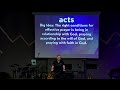
Prayer functions like a connected phone: communication requires the right conditions. The life of faith is marked by an assured relationship with God, prayer aligned with God’s will, and prayer offered in confident trust. Believers alone receive the promise of bold access to God—John’s letter makes clear that those who believe in the Son have eternal life and the freedom to come before the Father with confidence. That confidence is not a guarantee to manipulate God but a gracious privilege grounded in reconciliation through Christ.
Praying according to God’s will means seeking what Scripture reveals and humbly submitting when some things remain hidden. There is a difference between passive resignation and faithful petitions that say “thy will be done” while trusting God to act—often God accomplishes his purposes through the prayers of his people. Knowing Scripture increases the likelihood that requests align with God’s revealed will; where God has spoken, obedience is often the clearest form of prayer.
Faith is the third indispensable condition: prayers prayed without doubting expect God to act. Jesus’ words about faith moving mountains are not an isolated formula to be divorced from God’s will; rather, faith and alignment with God’s purposes go together. Doubt destabilizes prayer and can be a reason promised answers are delayed. Yet there remains pastoral clarity that God hears the repentant sinner who calls for salvation—a reminder of grace and the invitation to be reconciled so that prayer becomes effective.
Practical counsel flows from these realities: cultivate an accountable relationship with Christ, immerse daily in Scripture to discern God’s will, and pray with steadfast confidence that trusts God’s character and promises. Recognizing the limits of human knowledge does not negate persistent, faith-filled petition; it frames it. The address closes with a pastoral encouragement to continue praying, a call to repentance for those not yet reconciled to Christ, and a celebration of baptism as a public witness to the life that makes prayer effective.
Key Takeaways
- 1. Pray in relationship with God Belonging to Christ restores access to God and creates the boldness to approach him. This confidence is not a license for entitlement but flows from union with the Son; without that connection, the promise to be heard and answered does not apply as a settled confidence. Repentance and faith reestablish the reception of God’s ear. [55:02]
- 2. Pray according to God's will Effective petitions seek what God has revealed and submit when things remain hidden; Scripture often contains the answers before prayer begins. Praying “your will be done” is not passive surrender but a faithful posture that trusts God to work, sometimes through the prayers themselves. Regular engagement with Scripture sharpens discernment for aligned requests. [1:04:25]
- 3. Pray with unwavering faith Faith is trusting God’s character and promises and asking without doubting. Doubt undermines prayer; biblical faith rests on God’s revealed word, not wishful thinking, and expects God to act. Faith and alignment with God’s will must be held together for prayer to be effective. [1:17:36]
- 4. Saturate life with Scripture Knowing God’s Word supplies the content and confidence of prayer, guiding requests toward his revealed will. The habit of reading and memorizing Scripture transforms petitions from preferences into promises, enabling prayers that match God’s declared purposes. Scripture equips the believer to ask boldly and wisely. [1:14:49]
Youtube Chapters
- [00:00] - Welcome
- [45:11] - Cell‑phone analogy for prayer
- [47:31] - Conditions for effective prayer
- [48:53] - Scripture readings: Matthew & 1 John
- [55:02] - Praying in relationship with God
- [1:04:25] - Praying according to God's will
- [1:17:36] - Praying with faith in God
- [1:22:37] - Why some prayers seem unanswered
- [1:28:36] - Baptism celebration & closing