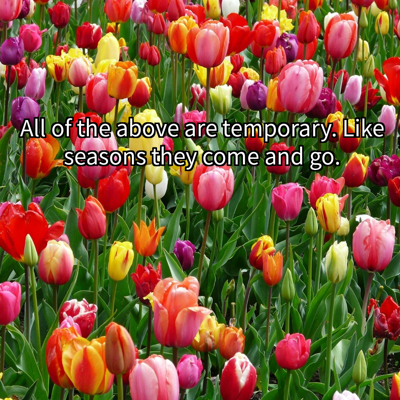
Ecclesiastes 3 reframes time as an unalterable tide that sweeps every life through opposing seasons: birth and death, weeping and laughter, killing and healing, mourning and dancing. Solomon’s poem lists these rhythms to show that human control over circumstance is limited; both joys and sorrows arrive and depart like tides. Two practical conclusions follow: each season is temporary, and foreknowledge of seasons calls for preparation rather than denial or rage. The illustration of hurricane-ready construction and a smaller house sheltered behind a sturdier one emphasizes intentional preparation—structural choices and community care matter when storms come.
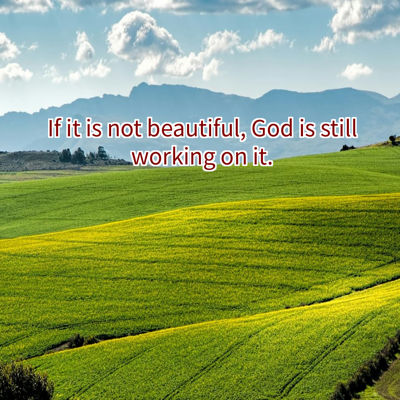
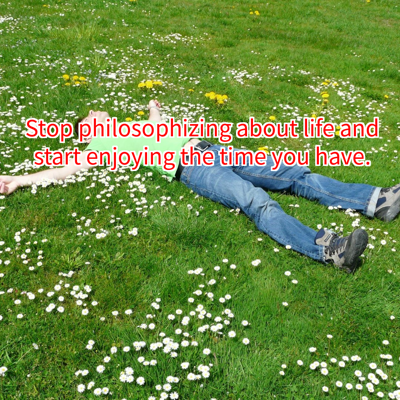
Solomon then shifts perspective to God’s timing. Everything can become beautiful in God’s time, even what looks irreparably marred, because God plays the long game beyond human limits. A string of everyday reversals and blessings (the horse proverb) models how present judgments about events miss the larger pattern; patience with divine ordering replaces anxious certainty. The text urges stoppage of endless philosophical wrangling about fate and instead invites enjoyment of present goods: cultivate joy, practice gratitude, and find pleasure in ordinary work.
Practical pathways to joy appear concrete: bodily posture influences emotion (smiling alters brain chemistry), acts of service reshape the soul, and good meals with others cultivate delight. Modern examples—Moebius syndrome and Botox studies—underline how body and mind interrelate. Work receives theological significance when seen as a venue for sanctification and service; finding meaning may require reframing a job or seeking vocation at the intersection of love, need, and skill. Finally, God’s work contrasts with human toil: divine projects last, reach completion, and pursue what people have driven away. Scripture and people constitute lasting investments; redemption repeatedly demonstrates God’s pursuit of the lost (Cain, Jacob, Moses) rather than abandonment.
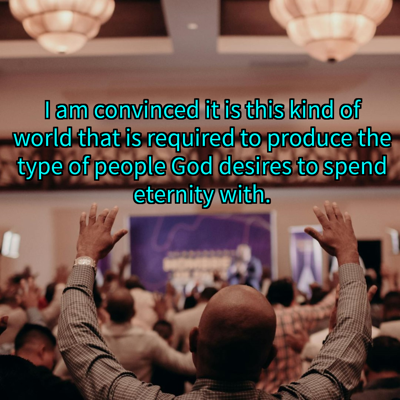
The world’s mixed ingredients—joy and sorrow, beauty and ash—come together like a recipe that matures into something good under a careful chef. That culinary metaphor argues that the present mixture prepares character suited for eternity. The closing summons trusts a sovereign, long-sighted God who measures seasons and brings beauty in time.
Key Takeaways
- 1. Time is an unstoppable tide Life moves in rhythms beyond human control; seasons of joy and hardship arrive and leave whether or not humans consent. Recognizing the tide reduces futile striving against circumstances and frees attention to wise responses. Acceptance here means active preparation, not passive resignation, because prudence shapes outcomes within limits.
- 2. Prepare for every season Anticipation and practical safeguards preserve life and neighborliness during storms of fortune and misfortune. Preparation includes structural choices, communal sheltering, and spiritual disciplines that ready character. Investing ahead mitigates harm and enables flourishing when tides turn.
- 3. God makes beauty from brokenness Divine action works on a timeline that can redeem what seems ruined, turning shambles into beauty through patient ordering. Human inability to see the whole story does not negate the possibility of restoration. Trusting the long pattern reframes present grief as material that may be woven into future good.
- 4. Joy forms through practiced habits Emotional life reacts to bodily posture, choice, and service; action often precedes feeling. Deliberate habits—smiling, serving, savoring meals, committing to work—rewire disposition and cultivate durable gladness. Pursuing joy as a practice honors both created design and moral responsibility.