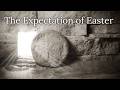
A worshipful opening celebrates resurrection hope and thanksgiving, then the Matthew 28 account anchors the narrative: an angel rolls back the stone, the grave stands empty, and God declares life victorious over death. God designed Easter long before humanity, tracing its plan back through the Passover pattern of a spotless lamb and the necessity of blood for forgiveness. Animal sacrifices could only postpone guilt; only the Lamb of God delivers permanent atonement and breaks the cycle of yearly coverings.
Expectation centers not on bunnies or eggs but on transformation: salvation, healing, provision, and deliverance flow from the empty tomb. God calls people out of darkness into his marvelous light and requires active praise as a response—praise that moves the body, voice, and heart. The Lazarus episode dramatizes the call out of death: a voice summons a bound body, life returns, and community removes the grave clothes so the newly raised one can walk free. The church functions as the place where others help remove those grave clothes; believers need one another to become fully unbound.
Entrance into God’s kingdom demands new birth—being born of water and Spirit—demonstrated at Pentecost when the Spirit empowers and changes hearts, not just rituals or polite confession. Spiritual birth produces witnesses who carry power and prophecy into the world. Finally, Easter points forward: the risen Christ promises a final calling to heaven, urging readiness and loyalty to the true church born by Spirit and water. Conviction, not condemnation, draws people to repent; prayer and the Holy Spirit supply the power to live differently. The resurrection supplies hope that transforms daily life: bills and struggles remain, but hope fuels endurance, healing, and steady obedience as God works to lift people from darkness into his life.
Key Takeaways
- 1. Easter predestined by God's design God planned redemption before creation and wove Easter into Scripture through types like the Passover lamb. This predestination frames resurrection as deliberate rescue, not accident, inviting a posture of trust that God orders even suffering toward restoration. Understanding Easter as divine design deepens gratitude and patience when trials seem random. [06:22]
- 2. Blood secures forgiveness, not symbols Scripture insists on the reality of atonement: symbolic sacrifices covered sin temporarily, but true removal required the Lamb’s blood. This truth refuses cheap grace and calls for sober awe at the cost of reconciliation. Belief in that blood reorients moral life from duty to grateful transformation. [07:36]
- 3. Call out of darkness to light God summons every person regardless of status, past, or appearance to leave dead places and step into life. That call issues as both command and invitation—conviction that frees rather than condemns—so obedience becomes an act of hope. Responding requires trust that God’s light changes the interior, not mere behavior. [16:28]
- 4. Born of water and Spirit Entry into the kingdom occurs through spiritual rebirth, evidenced by baptism and Spirit-power at Pentecost. New birth changes identity and gifts the follower to witness, prophesy, and serve in holy boldness. Relying on rituals alone misses the inner upheaval the Spirit produces. [26:08]
- 5. Church restores, removes grave clothes The gathered community helps strip off the bindings of past life so risen people can walk free. Salvation intends communal restoration: others aid in peeling away shame, habit, and bondage. Refusal of the body hinders full freedom and neglects the means God appointed for growth. [21:58]
Youtube Chapters