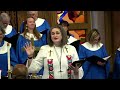
Easter morning unfolds as an announcement that changes how life and loss are read. The empty tomb becomes a public, disruptive sign: an angel declares Jesus not where the world left him, and the risen Christ meets seekers in their fear and grief. Resurrection does not erase suffering or tidy injustice; it creates new possibilities that make joy and faithful action real even amid ongoing hardship. The risen life invites movement—go and tell—because Christ’s presence refuses containment by empire, institution, or expectation.
Baptism appears as covenantal naming and claim. Water and Spirit mark belonging, call for turning from evil, and weave individual lives into a wider body committed to nurture, prayer, and mutual accountability. The congregation promises to guide and be guided, and the newly baptized symbolically receives light, welcome, and tangible reminders of being held by the household of faith. That initiation models how resurrection life both gathers and sends.
Concrete examples anchor the theological claim in neighborhood work: food drives, shelters, housing assistance, court diversion, and local ministries show the good news alive in streets and kitchens. Those ministries do not banish scarcity, but they create openings where dignity, stability, and hope take root. Resurrection energy shows up in small acts—quilting, job creation, fundraising—that reweave community and testify that the grave does not have the last word.
Communion frames the invitation further. The table welcomes seekers and those weighed by sorrow, holding ordinary bread and cup as places where the risen Christ meets people in their need. Eucharistic practice becomes both remembering and commissioning: the body given and the cup of the new covenant send those fed back into ordinary life to notice divine presence in wildflowers, neighbors, and acts of kindness.
The closing charge refuses passivity. Believers are called to speak hope where anger, fear, and pain appear, to live like a people marked by resurrection by embodying justice, mercy, and neighborly care. The good news is portrayed not as abstract doctrine but as stubborn, wild, and unruly life that surfaces in unexpected places and insists on being shared. Alleluia is both proclamation and vocation: the risen One is present, on the move, and compels faithful witness.
Key Takeaways
- 1. Resurrection creates unexpected new possibilities Resurrection opens avenues that did not exist before; it does not erase limits but rearranges them so new faithful responses become possible. This means hope functions alongside ongoing struggle, enabling joy that coexists with grief and action that grows from vulnerability. The empty tomb reframes what counts as final, encouraging patient, persistent risk-taking for justice and love. [46:08]
- 2. Baptism binds community covenant Baptism claims a life into a shared promise: renouncing evil, professing faith, and committing to mutual nurture. It locates personal identity inside a body that offers support, discipline, and responsibility, reminding that salvation is both gift and communal task. The covenant summons ongoing formation rather than a one-time credential. [24:16]
- 3. Good news shows up unexpectedly The resurrection’s fruit appears in small, neighborly acts—food, shelter, job support, court diversion—that renew dignity and steady futures. These signs reveal God’s work outside centers of power and invite attention to where life is being restored incrementally. Watching for such signs trains spiritual discernment and practical generosity. [48:06]
- 4. Join the table; seek and meet The table welcomes those who seek, grieve, or doubt, offering ordinary elements as loci where the risen Christ meets people in their particular needs. Communion models how remembrance and presence convert private sorrow into communal care and mission. Sharing the bread and cup equips participants to notice and embody resurrection in ordinary life. [57:23]
- 5. Proclaim despite ongoing hardship Good news does not promise the immediate end of suffering but calls for courageous proclamation amid it. To speak hope into contexts of injustice and fear requires fidelity that names pain honestly while testifying to God’s new work. Such witness sustains communities and invites others into practical participation. [51:30]
Youtube Chapters
- [00:00] - Welcome
- [07:27] - Resurrection Call and Response
- [20:28] - Assurance of Pardon and Peace
- [23:17] - One Body, One Faith Reading
- [24:16] - Baptism of Miles: Covenant and Questions
- [29:48] - Reception and Baptismal Welcome
- [38:18] - The Empty Tomb (Matthew 28:1–10)
- [44:28] - Resurrection: Joy Amid Fear
- [48:06] - Good News in the City: Local Ministries
- [57:23] - Communion Invitation for Seekers
- [1:02:19] - Words of Institution and Sharing
- [1:13:30] - Prayer After Communion
- [1:17:22] - Go and Tell: Closing Charge