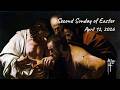
On the first Easter evening, Jesus appears among frightened, locked-door disciples and speaks peace into their fear. He shows his wounds, invites touch, and offers the proof Thomas needs to move from skepticism to the confession “My Lord and my God.” The scene frames doubt not as failure but as a human response that can lead to deeper trust: Jesus does not shame Thomas; he meets him where he is and restores joy. The gospel passage reorients faith away from performance and toward relationship, insisting that faith grows through encounter with God’s persistent, gracious presence rather than through human certainty.
The resurrection unfolds less as a single triumphant moment and more as an ongoing invitation to look for new life amid pain. Resurrection shapes a habit of seeking beauty, light, and reconciliation even when headlines and personal suffering insist otherwise. Images from space—Earthrise and celestial events—serve as modern signs of the same truth: an “overview” can widen perspective, evoke awe, and reveal unity beyond human divisions. These signs point back to resurrection’s promises of possibility, abundance, and hope.
The text challenges common misconceptions that faith is mere intellectual assent or a formula for prosperity. Instead, faith requires honest wrestling: doubt, fear, and protection all can co-exist with longing for life. The risen Christ’s words—“Peace be with you”—function as both gift and command, a spiritual balm that empowers disciples to participate in God’s work of reconciliation and renewal. The narrative closes with a grounding assurance that nothing—locked doors, violence, or doubt—can thwart God’s love; belief in Christ brings life now and across generations.
Key Takeaways
- 1. Doubt does not disqualify faith Doubt often signals that something matters deeply, not that a person has failed. When fear and grief protect the heart, honest questioning can become the path to encounter rather than a detour from it. The invitation is to bring doubts into relationship with God, where wounds and longings meet divine presence and are transformed. [34:13]
- 2. Resurrection is a daily invitation Resurrection does not stop at history; it calls people to notice new life amid everyday loss and sorrow. This ongoing hope trains the eyes to find beauty, reconciliation, and possibility where despair seems dominant. Practicing resurrection means choosing to look for God’s activity in small, persistent ways. [35:10]
- 3. Peace speaks into fear The simple greeting “Peace be with you” interrupts terror and opens a space for healing and courage. Peace here is not passive quiet but a restorative presence that empowers disciples to move from hiding to mission. Receiving that peace enables a re-entry into community and service despite lingering wounds. [30:40]
- 4. Overview restores perspective and hope Stepping back—whether spiritually or through images like Earthrise—evokes awe, unity, and a renewed sense of what truly matters. Such perspective counters narrow, fear-driven narratives and invites trust in God’s broader work in the world. Cultivating an “overview effect” helps sustain hope and reconciling action even in hard seasons. [37:09]
Youtube Chapters
- [00:00] - Welcome
- [12:56] - Easter season explained
- [13:36] - Candle prayer: ponder new life
- [18:54] - Invocation and grace
- [27:51] - John 20 reading: Jesus appears
- [28:59] - Caravaggio image and reflection
- [29:58] - Locked doors; Jesus speaks peace
- [31:33] - Thomas missed the first visit
- [32:11] - Jesus invites touch and belief
- [33:09] - False teachings about faith
- [35:31] - Resurrection as daily invitation
- [36:30] - Artemis images; overview effect
- [38:25] - Questions for reflection
- [39:29] - Blessing and closing