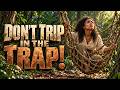
Psalm 25 places David’s eyes toward the Lord while his feet are caught in a net. David knows trouble, enemies, mistakes, and the need for forgiveness. He asks God to show him where to walk, but he also needs God’s help when something threatens to stop him from walking. Experience alone cannot keep a person out of trouble. Life calls for more than good advice; it calls for the wisdom of God.
The net presents a real danger, but David mentions his eyes before his feet. Trouble tries to take attention, and whatever holds attention long enough can begin controlling an attitude. Yet faith does not mean ignoring a doctor’s report, unpaid bills, or family problems. Faith keeps the problem from blinding believers to God. The problem may deserve attention, but it does not deserve devotion.
David’s confidence rests in two words: “he shall.” Human strength has limits, and money, connections, and experience cannot fix everything. God’s power, however, is not limited by human ability. A prolonged season of trouble must not erase the memory of God’s faithfulness. Paul’s thorn shows that God does not have to remove every difficulty to prove his presence. Sometimes he brings his people out; sometimes he gives them strength to go through.
The net does not get the final word over David’s future. The God who shows the path can also lift trapped feet. Mistakes, rejection, and pain are real, but they cannot claim a believer’s whole life. Sin held humanity in a deeper captivity that no amount of money, work, or goodness could break. God sent Jesus, and Christ remains the solid rock when everything else gives way. The call is plain: do not let the trap distract focus, determine faith, or define the future.
Key Takeaways
- 1. The Problem Does Not Deserve Devotion. David acknowledges the net without giving it all his attention. Believers can face medical reports, make financial plans, and deal honestly with family trouble while keeping their trust directed toward God. Faith does not hide reality; it refuses to let reality crowd God out of sight. [53:32]
- 2. Human Limits Do Not Limit God. David’s confidence rests in “he shall,” not in his own strength or connections. Reaching the end of personal ability does not mean reaching the end of what God can do. That confidence is not a promise that every request will be answered on demand, but a reason to trust God beyond what human resources can accomplish. [58:00]
- 3. Unchanged Circumstances Do Not Mean Abandonment. A long season of trouble can make past evidence of God’s faithfulness seem far away. Paul’s thorn makes room for another possibility: the difficulty remains, yet God’s grace sustains. Deliverance and endurance are not the same experience, but both can bear witness to God’s presence. [1:00:45]
- 4. The Net Cannot Claim A Life. David trusts God to take his feet out of the net rather than treating the trap as his final destination. A mistake, a person’s departure, or present pain does not have the right to become a believer’s whole identity. The God who gives direction remains able to help when the next step seems impossible. [1:05:08]
Youtube Chapters
- [00:00] - Welcome
- [42:55] - Psalm 25 and the Trapped Feet
- [44:11] - Don't Trip in the Trap
- [46:50] - David’s Prayer for Guidance and Mercy
- [51:25] - Do Not Let the Trap Distract Focus
- [55:35] - Do Not Let the Trap Determine Faith
- [1:00:04] - Grace When Trouble Remains
- [1:02:01] - Do Not Let the Trap Define the Future
- [1:05:58] - Greater Deliverance Through Jesus Christ
- [1:08:40] - Keep Looking Toward the Lord
- [1:10:11] - Invitation to Receive Jesus