Romans 8:7-13 frames the battle between the flesh and the Spirit, declaring the carnal mind as enmity against God and incapable of pleasing Him. Scripture insists that indwelling of the Spirit marks true life: the body remains dead because of sin, but the Spirit gives life through righteousness and will quicken mortal bodies. Ezekiel’s vision and the valley of dry bones illustrate the same truth—Israel’s spiritual death required God’s breathing to restore life—and that image maps onto present-day spiritual decline and the need for radical renewal. The Holy Spirit functions as divine intervention and continual guide under the new covenant, not merely an occasional Old Testament force. That guiding presence enables endurance in hardship, courage in proclamation, and moral clarity in times of social and political strain.
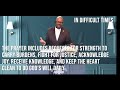
Ezekiel’s supernatural call and the whirlwind of fire point to a divine commission to warn a stubborn people; the prophetic charge may meet resistance, but the obligation to proclaim God’s word remains. The dry bones motif emphasizes that mere outward religiosity or cultural belonging cannot substitute for regenerated hearts; many require a “whole body cleansing” and a heart transplant of Spirit-led conviction. Practical application appears in the prayer for strength: to carry burdens, pursue justice, keep the heart clean, and receive knowledge—tasks that depend on the Spirit’s power rather than human effort alone. The text also addresses contemporary struggles—cuts to social support, civic injustices, and shrinking communal care—and ties faithful response to active compassion and public defense of the vulnerable.
The apostolic contrast between flesh and spirit calls for a decisive turning away from fleshly self-justification toward reliance on the Spirit’s quickening. Revival results when God’s breath reanimates dead faith, producing renewed service, fearless proclamation, and collective resilience. The promise of Christ’s resurrection power gives hope that mortal bodies and weary communities can be renewed when the Spirit dwells and acts among them. Believers must pray, persist, and resist cultural compromises so that spiritual life rises again from places that have long resembled the valley of dry bones.
Key Takeaways
- 1. Flesh opposes God's law The carnal mind stands opposed to God and cannot obey the law; spiritual renewal requires a decisive break from self-justifying patterns. True repentance changes motivations, not just behaviors, because the heart’s orientation determines obedience. The gospel calls for interior transformation, not moralism, so inner renewal precedes lasting outward change. [00:15]
- 2. Holy Spirit brings spiritual life The indwelling Spirit gives life where sin has left death, promising bodily quickening and ongoing righteousness. Dependence on Spirit-led power shifts the locus of change from human will to divine agency. Daily vitality flows from reliance on that presence rather than from performance. [01:11]
- 3. Dry bones need revival Ezekiel’s valley symbolizes a people who look alive yet lack true spiritual breath and need God’s restorative action. Revival involves communal and personal reanimation: a heart transplant that replaces hardened self-trust with hunger for God. Restoration requires God’s initiative and human openness to be filled anew. [07:58]
- 4. Fearless proclamation despite rejection The prophetic call demands bold warning and faithful speaking even when people refuse to listen or respond. Courage springs from trust in God’s authority, not from public approval, and truth-telling serves love by keeping souls from self-deception. Obedience to proclamation matters more than the measure of its reception. [06:07]
Youtube Chapters