Jul 22, 2026
A child falls and scrapes a knee. They cry out in pain. A loving parent does not turn away. They run toward the child. They offer comfort and care. God acts in the same way toward His children. The psalmist tells us the Lord is near to those with a broken heart. He does not avoid our pain. He draws close to us in our deepest hurt.
This nearness is God’s character. He is not a distant observer of human suffering. He is an active, present comforter. His presence is His promise. He does not always remove the circumstance immediately, but He always offers Himself. He enters the space of our sorrow. He sits with us in the ashes.
You may feel abandoned in your pain. The emotional fog can make God seem far away. Hear His promise spoken over your situation. He is running toward you, not away from you. His nearness is your present reality, even when your feelings argue otherwise. Where in your life do you most need to believe God is near you right now?
The LORD is near to the brokenhearted and saves the crushed in spirit.
(Psalm 34:18, ESV)
Prayer: Ask God to make His nearness tangible to you today, especially in your area of deepest hurt.
Challenge: Identify one specific pain or worry and speak aloud: "God, You are near me in this."
Jesus spoke to a crowd of weary people. They labored under heavy religious burdens and life’s hardships. He did not offer a simplistic solution or a quick fix. Instead, He issued a profound invitation. “Come to me,” He said, “all who labor and are heavy laden.” He promised them rest. He did not say the burdens would vanish. He promised they would not carry them alone.
This is a call to transfer weight. Jesus invites us to bring our exhaustion, our anxiety, and our despair directly to Him. He is strong enough to shoulder it all. His yoke is easy because He bears the weight with us. This is not a transaction; it is a relationship. We come to a Person, not a principle.
Many of us try to carry our loads by ourselves. We white-knuckle our way through depression, believing we must handle it alone. Jesus’s words are a personal command to stop. Come to Him. Bring Him the specific weight you are carrying today. What heavy burden do you need to consciously bring to Jesus right now?
Come to me, all who labor and are heavy laden, and I will give you rest.
(Matthew 11:28, ESV)
Prayer: Pray honestly, telling Jesus exactly what makes you feel heavy-laden and asking for His rest.
Challenge: Write down your single greatest burden on a piece of paper and physically set it aside as a symbol of giving it to Christ.
Depression often tells lies. It whispers, “You are alone. You are worthless. There is no future.” These thoughts feel true, but they are not God’s truth. The Apostle Paul instructed the Philippian church to dwell on what is true, noble, right, pure, lovely, and admirable. This is a deliberate act of mental renewal. It is replacing the enemy’s lies with God’s unchanging reality.
God answers the lies directly. To “I am alone,” He says, “I will never leave you.” To “I am worthless,” He says, “You are fearfully and wonderfully made.” To “There is no future,” He says, “I know the plans I have for you.” This is not positive thinking. It is aligning your thoughts with the ultimate reality of God’s character and promises.
Your mind is a battlefield. The thoughts you entertain will shape your emotional landscape. You must intentionally capture the lies and replace them with Scripture. Stop and ask yourself what lie you have been believing. Then actively confront it with a specific promise from God. Which of God’s promises most directly confronts the lie you are fighting today?
Finally, brothers, whatever is true, whatever is honorable, whatever is just, whatever is pure, whatever is lovely, whatever is commendable, if there is any excellence, if there is anything worthy of praise, think about these things.
(Philippians 4:8, ESV)
Prayer: Ask the Holy Spirit to bring to mind one specific lie you’ve believed and one specific truth from Scripture to replace it.
Challenge: Underline Jeremiah 29:11 or Psalm 34:18 in your Bible and read it aloud twice today.
Isolation is one of the enemy’s greatest weapons. It amplifies despair and distorts perspective. The sermon urged believers to stay connected to church, mature believers, family, and trusted friends. Healing often happens in the context of community. Solomon noted that a person alone is vulnerable to falling, but with others there is safety and help.
This reflects God’s design. We were not made to walk through valleys alone. The body of Christ is meant to function as a support system. Other believers can hold up our arms when we are too weary to pray. They can speak truth when we can only hear lies. They provide tangible evidence of God’s love when we feel abandoned.
You may have a natural tendency to withdraw when you hurt. You might hide your struggle, fearing judgment. This is the exact opposite of what you need. Fight the impulse to disappear. Your healing is tied to your connection. Who is one safe person you can reach out to today simply to say, “I’m having a hard time”?
Where there is no guidance, a people falls, but in an abundance of counselors there is safety.
(Proverbs 11:14, ESV)
Prayer: Confess to God any tendency to isolate yourself and ask for the courage to reach out for support.
Challenge: Call or text one trusted friend or family member and schedule a time to talk this week.
Jesus understands suffering. The prophet Isaiah called Him a man of sorrows, acquainted with grief. In the Garden of Gethsemane, Jesus felt intense anguish. His soul was overwhelmed to the point of death. He wept. He prayed with loud cries. He experienced the full weight of human despair. He is not a high priest who is unable to sympathize with our weaknesses.
This changes everything. We do not follow a God who looks down on our pain from a safe distance. He entered into it. He gets it. Because Jesus Himself suffered, He is uniquely qualified to comfort those who are suffering. His empathy is perfect. We never suffer alone. He walks with us through the valley because He has been there.
Your suffering is not a sign that God has forgotten you. It is the very place where you can meet the Savior who is familiar with it. He offers not just pity, but perfect understanding and partnership. You can bring your rawest emotions to Him because He has already felt them. How does knowing Jesus experienced profound sorrow change the way you bring your pain to Him?
He was despised and rejected by men, a man of sorrows and acquainted with grief; and as one from whom men hide their faces he was despised, and we esteemed him not.
(Isaiah 53:3, ESV)
Prayer: Thank Jesus that He understands your grief intimately and ask Him to comfort you with His presence.
Challenge: Read the account of Jesus in Gethsemane in Matthew 26:36-39 and note one detail of His suffering.
God draws near to the brokenhearted, promising presence in seasons of deep pain (Psalm 34:18). Jesus invites the weary to himself, offering rest for anxious souls and refusing to leave burdens borne alone (Matthew 11:28). Depression often distorts thought—whispering loneliness, worthlessness, and hopelessness—and Scripture answers each lie with truth about God’s constancy, human dignity, and divine purpose. Philippians 4:8 functions as a practical guardrail: choosing to dwell on what is true, noble, and praiseworthy reshapes perception and weakens despair.
Isolation amplifies suffering, so community functions as a means of grace and practical rescue. Church fellowship, mature believers, trusted friends, pastoral care, and qualified counselors can supply comfort, counsel, and accountability. Worship serves as an act of orientation in the fog—praise does not erase pain but redirects attention from problems to God’s character, cultivating hope while circumstances remain unchanged. Prayer that names honest emotions invites God into the wound rather than obscuring the wound with platitudes.
Practical disciplines support spiritual healing: regular Scripture reading to renew the mind, consistent prayer, restful sleep, proper nutrition, exercise, continued service in small ways, and patience with the often slow pace of recovery. Proverbs and the wisdom of counsel affirm that many forms of help—spiritual and professional—can work together; seeking medical care or therapy does not negate faith but can be an instrument of God’s provision. The fog metaphor clarifies that emotional obscurity does not equal spiritual disappearance: the road and the destination still exist even when sight fails.
Jesus’ suffering provides empathetic solidarity; his anguish and sympathy qualify him as a High Priest who understands human weakness (Isaiah 53; Hebrews 4:15). Promises such as Isaiah 41:10 and Romans 8:38–39 anchor hope: God’s presence, strength, and inseparable love endure through valleys. Immediate help is urged for persistent depression or self-harm thoughts, naming trusted contacts and professionals as lifesaving resources. The valley proves not a permanent address but a place where divine companionship, communal care, truthful worship, and practical aid converge toward restoration.
God comes near the brokenhearted; He does not avoid them.

Jesus never said life would always be easy; He simply promised we would never carry our burdens alone.

Depression often fills the mind with thoughts like "I'm alone," "I'm worthless," and "There is no future.
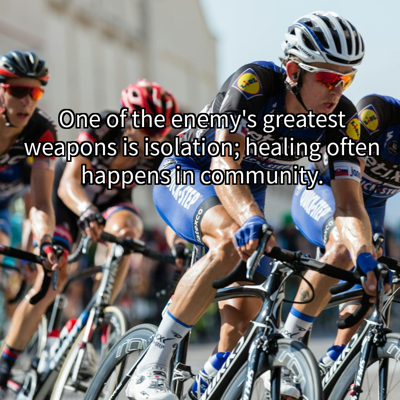
One of the enemy's greatest weapons is isolation; healing often happens in community.

Praise shifts our focus from the size of our problem to the greatness of our God.

This does not mean pretending everything is fine; it means choosing to acknowledge God's character even in pain.

Take care of your body; sleep, nutrition, exercise, and medical care support emotional well-being.
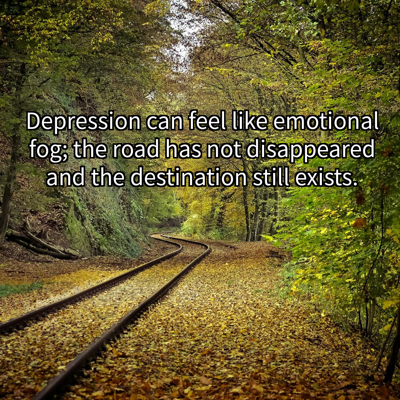
Depression can feel like emotional fog; the road has not disappeared and the destination still exists.

Faith reminds us that although we cannot always see clearly, God still sees the entire journey.

The valley is not your permanent address; God walks beside you, strengthens you, and restores hope.
Hi, I'm an AI assistant for the pastor that gave this sermon. What would you like to make from it?
Add this chatbot onto your site with the embed code below
<iframe frameborder="0" src="https://pastors.ai/sermonWidget/sermon/depression-hope-god1" width="100%" height="100%" style="height:100vh;"></iframe>Copy