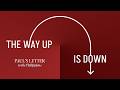
Jesus’ way is the low way. Philippians has pressed that question from every angle: how low can a disciple go? Christ chose sacrifice, humility, generosity, meekness, restraint, and finally the cross. Paul calls the Philippian church out of Rome’s self exaltation and into Jesus’ upside down economy, where the way up is down.
Philippians 2 puts the low way right into relationships: “Do nothing from selfish ambition or conceit,” but count others more significant. Humility releases the need to win, to put personal needs first, and to seek good at somebody else’s expense. Philippians also joins love to discernment, because sincere love without deeper knowledge of Christ can still be incomplete. Christ frees his people to release wrongs done against them and live in peace as far as it depends on them.
Christ’s sufficiency also reshapes identity, contentment, security, anxiety, and money. Paul’s “I can do all things through Christ” is not a promise of endless positive outcomes. Christ gives contentment on mountaintops and in low valleys. Paul counts his old accomplishments, his ego, and the things that once made him somebody as dung compared to knowing Christ. God’s generosity loosens clenched fists, because money, outcomes, and even personal stories were never theirs to own in the first place.
God works in his people to will and act for his good purpose, yet Paul still calls them to practice what they have learned, received, heard, and seen. Transformation does not come through another nifty handout or a list accomplished in personal power. Jesus calls disciples to abandon their own path.
Mark 8 makes that abandonment plain: deny yourself, take up your cross, and follow Christ. Jesus uses a word for denial that means ending acquaintance with the old self. Scripture places a sharp choice before the heart: refusing to deny self becomes denying Jesus. The cross is not merely a difficult season. The cross meant death, humiliation, self abasement, and the surrender of the right to remain in control.
John the Baptist shows what that surrender looks like. John receives influence and fruit as gifts from heaven, then joyfully lays them down when Jesus increases. “He must become greater; I must become less” becomes the posture of a life that knows it is only a conduit. Christ asks for daily resignation, not temporary imitation. Jesus can be King of the heart only when self gives up the throne.
The Spirit exposes the places where self keeps increasing: agendas, fears, people pleasing, self sufficiency, control, and the stubborn hidden hold over life. The cross does its full work when surrender joins the Spirit’s power. Christ changes, shapes, and remakes those who lay it all down.
##
Key Takeaways
- 1. The way up is down. [44:07] Christ does not redefine greatness as better branding, stronger influence, or getting ahead. Christ reveals greatness through the downward path of service, restraint, and costly love. Humility is not passivity or low self esteem. Humility is seeing Jesus as worthy of the highest place and others as worthy of real care. [44:07]
- 2. Refusing self denial denies Jesus. [58:22] Mark 8 does not offer a softened version of discipleship. Jesus calls for a break with the old self that insists on comfort, control, and personal preference. The refusal to surrender can look spiritual on the surface, even while lips honor Christ and the heart stays distant. Christ asks for more than religious agreement; he asks for the throne. [58:22]
- 3. The cross is daily resignation. [01:00:43] Luke’s daily cross confronts the idea that surrender was settled once and for all in the past. Jesus calls his people to lay down agendas, fears, self reliance, and the need to be affirmed again and again. The cross feels costly because self preservation runs deep. Christ meets that death to self with restored life now and eternal life forever. [60:43]
- 4. Jesus must increase, self must decrease. [01:06:53] John the Baptist receives his ministry as something given from heaven, not something to protect. John’s joy becomes complete when attention shifts to Christ, even as his own influence shrinks. This posture breaks rivalry, comparison, and the hunger for recognition. Christ becomes visible when personal greatness is no longer the goal. [66:53]
- 5. The Spirit reveals what must be laid down. [01:15:31] God does not ask his people to manufacture transformation through willpower. The Spirit searches hardened places and identifies where self has tightened its grip. Submission makes room for the cross to do its full work. Christ remakes a life as control is surrendered in concrete, honest obedience.
## [75:31]
Youtube Chapters
- [00:00] - Welcome
- [41:43] - How Low Can You Go?
- [43:29] - Jesus’ Downward Path
- [44:34] - Slowing Down for Transformation
- [47:03] - Three Themes in Philippians
- [47:26] - Going Low in Relationships
- [48:42] - Contentment and Identity in Christ
- [51:11] - God’s Work of Transformation
- [52:30] - Beyond a Practical Handout
- [54:49] - Deny Yourself and Take Up Your Cross
- [55:31] - What It Means to Deny Self
- [58:22] - The Cross Means Death to Self
- [62:23] - John the Baptist Lays It Down
- [68:09] - How Low Is Jesus Asking?
- [71:49] - Letting the Cross Do Its Full Work
- [75:31] - Learning How to Lay Down