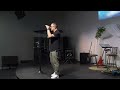
A church leader announced a two-month sabbatical and used the departure to press seven convictions into the congregation’s heart. First, the voice of God is tender: the congregation is urged to relearn how God speaks with grace (Isaiah 40:2) and to let that tenderness reframe guilt, identity, and hope. Second, the call to make space is cast as Jubilee—practical hospitality that reclaims those pushed to the margins, invites unexpected faces to the table, and resists a narrowing, suspicious posture. Third, there is an exhortation to listen carefully so biblical words do not merely pass overhead; Jesus’ gentle, incarnational speech calls for humility in hearing and a refusal to weaponize scripture for comfort or control.
Fourth, political categories must not become moral absolutes. The claim that caring for immigrants, the oppressed, or the orphan is merely “political” is rejected; Scripture repeatedly demands justice and empathy as core discipleship practices. Fifth, lament is named as necessary spiritual formation: to mourn the brokenness of the world—whether distant or near—opens a pathway to consolation and aligns the church with the suffering of others. Sixth, this is a defining moment for discipleship. Using biblical exemplars—David, Esther, Daniel, and the crowd that left Jesus—congregants are asked whether they will stand when the crowd thins and call to a faith that risks public witness for the vulnerable.
Finally, the pastoral imagination reaches toward the intimate surprises of God—the sundial shadow of Hezekiah—reminding the community that God can perform highly personal signs of mercy that reorient hope and attention. Overarching all seven points is a conviction that the gospel reshapes how a church hears, whom it seats at the table, and how it responds to public crises; worship, hospitality, prophetic listening, lament, and courageous presence are presented as interlocking practices for a resilient, generous congregation. The closing prayer anticipates renewed foundations, restored sight for the hesitant, and a spirited return from sabbatical ready to continue that work together.
Key Takeaways
- 1. Hear God speak tenderly today God’s voice often arrives as a whisper of restoration rather than a shout of condemnation; listening for tenderness reframes guilt into invitation and fuels long obedience to grace. When people are spoken to with mercy, the church becomes a place where exile ends and identity is healed. [02:09]
- 2. Make space at the table Jubilee calls for deliberate redistribution of presence and resources: making space is not sentimental, it is structural. Hospitality that loosens concentrated advantage reclaims human dignity and cultivates shared life. [08:39]
- 3. Let God's word land afresh Refuse the reflex to hear scripture through prior wounds or partisan filters; allow Jesus’ gentle clarity to unsettle assumptions without resorting to fear. Real discipleship requires ears trained to receive difficult, transforming truth rather than comforting certainties. [13:04]
- 4. Learn to lament publicly Mourning brokenness—local or global—aligns the heart with God and prepares the community for real consolation and action. Public lament resists numbness and calls the church out of silent complicity into compassionate presence. [23:12]
- 5. Rise to your defining moment When crowds thin, commitment is revealed; faithfulness often matures in the crucible of public risk. Choosing to stay, speak, and act for the vulnerable marks the kind of Christian that shapes future foundations. [28:21]
Youtube Chapters
- [00:00] - Welcome
- [00:16] - Sabbatical Announcement & Opening Remarks
- [02:09] - Speak Tenderly: Isaiah’s Call to Grace
- [08:39] - Make Space: Jubilee and Hospitality
- [13:04] - Don’t Let It Go Over Your Head: Listening Well
- [17:38] - Reject the Lie About Politics
- [23:12] - Learn to Lament: Mourning and Compassion
- [28:21] - Rise to Our Defining Moment
- [36:25] - Seek Your Sundial Shadows: Personal Miracles