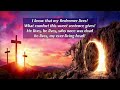
Christ’s resurrection stands at the center of the worship, shaping confession, proclamation, and hope. The liturgy moves from penitence to pardon, declaring that God forgives through Christ’s death and triumph over the grave. Jonah models the instinct to cry out from the depths and to be rescued, while the Easter gospel recounts the angelic roll-back of the stone and the women’s encounter with the risen Lord. A children’s telling emphasizes the plain truth: Jesus rose, and that rise removes fear of death and promises eternal life.
Paul’s reminder to the Corinthian church becomes the sermon’s hinge: the gospel that saves must remain intact. The faith that secures life depends on three facts held as first importance—Christ died for sins according to the Scriptures, the body was buried, and God raised him on the third day. Each element functions as a necessary pillar: the death satisfies justice, the burial confirms real death and finality, and the resurrection proves divine acceptance and victory. Scripture supplies numerous witnesses and public testimony so the claim rests on factual sighting, not fabrication.
The resurrection moves from doctrine into daily deliverance. The risen Christ provides the key that opens the dungeon of despair—whether that dungeon takes shape as doubt, loss, illness, or fear. That key reassures sinners that guilt no longer claims the last word, that death does not have the final say, and that heaven awaits those who cling to the gospel. Worship culminates in the creedal confession, prayer, and benediction that summon perseverance in truth and relentless proclamation. The congregation receives both a legal guarantee and a lived hope: the cross paid the debt, the tomb testified to death’s reality, and the empty grave testifies that God has the final word of life. Christians therefore celebrate not only an event but the radical, ongoing significance of a risen Savior who frees, restores, and sends.
Key Takeaways
- 1. The gospel's saving, non-negotiable core Paul insists that salvation rests on the very message entrusted to the church: Christ’s death, burial, and resurrection. Tweaking or diluting that sequence replaces salvation with sentiment and leaves the sinner exposed to judgment. Holding this core preserves both the legal remedy for sin and the communal identity of those who belong to Christ. [31:21]
- 2. Threefold proof: died, buried, raised Each element of the threefold claim performs a different work: death meets divine justice, burial confirms real death, and resurrection proves God’s acceptance and victory. Removing any one element collapses the claim into mere story or uncertainty. The whole sequence together secures forgiveness, grounds hope, and fulfills Scripture’s promise of restoration. [35:30]
- 3. Resurrection as divine receipt God’s raising of Jesus functions like a public receipt that the payment for sin was accepted and effective. The resurrection turns sacrifice into possession: guilt transfers away, and life becomes the believer’s due. This legally grounded hope frees worship from mere optimism and anchors it in a witnessed, verifiable act. [41:21]
- 4. Key for every dungeon The empty grave operates as the key that unlocks despair, whether that despair looks like doubt, grief, illness, or fear. Clinging to the risen Christ redirects attention from the grave’s finality to the grave’s emptiness and so disarms despair’s power. That key opens a path upward toward healing, community, and the promise of life beyond death. [51:25]
Youtube Chapters
- [00:00] - Welcome
- [06:13] - Opening Prayer & Easter Greeting
- [09:28] - Confession and Absolution
- [13:01] - Jonah's Prayer: Cry from the Depths
- [16:55] - Easter Gospel: The Empty Tomb
- [18:37] - Children's Message: The Rising Story
- [31:21] - Paul's Reminder: The Gospel's Foundation
- [35:30] - The Threefold Truth: Died, Buried, Raised
- [43:53] - Eyewitnesses and Proofs
- [48:37] - The Key Out of Despair
- [56:40] - Apostles' Creed & Prayer
- [64:33] - Benediction and Sending