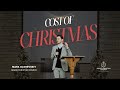
Christmas is a season of hope, peace, joy, and celebration, but Christmas also carries a great cost. The cost of Christmas gives its gift its true value, because a great gift is understood more deeply when the price behind it is seen. Parents, the poor friend giving a gift, and the widow giving her last pennies all show that God sees what something costs a person, not merely what it looks like on the outside.
Christmas tradition can become routine if the church only comes for songs, smiles, gifts, and warm feelings. Scripture calls God’s people to celebrate, but Scripture also calls them to reflect. Passover was a memorial day, a day when Israel remembered not only freedom from Egypt but the lamb, the bitter herbs, the blood, and the price paid. Pentecost was full of joy and the presence of God, yet Peter first brought the crowd face to face with the cost Christ paid, and they were cut to the heart.
Christ came to die, and that is the heart of Christmas. Christ’s whole entrance into the world was marked by rejection, sacrifice, and the setting aside of what man would call valuable. Luke shows the King of kings born not in a palace but in a manger, laid in what was essentially a feeding box. God rejected the cultural picture of a Messiah who would arrive as a political ruler, mighty general, or conquering king. God showed that His vision is best, even when it flips every expectation of man.
The shepherds carry the same picture. God announced the birth of Christ not first to kings, officials, or generals, but to lowly shepherds. Christ humbled Himself, and God chose the lowly to proclaim that the Savior had come. The manger and the shepherds both declare that God’s standards are better than society’s standards, and God’s direction is better than personal dreams, idols, and signposts.
Christ’s call in Luke 9 brings that rejection into the life of every believer. Christ does not permit endless “but first” responses when He says, “Follow Me.” Christ calls His people to lay down self-will, normal expectations, comfort, and the desire to look back. Paul calls believers living sacrifices because a self-sacrificing Savior seeks self-sacrificing believers.
Christ also gives hope to those who fall short. Christ does not merely call His people to a costly path and leave them there. Christ strengthens, lifts up, and holds the hand of those who turn back to Him. Christmas therefore asks a serious question: Christ gave Himself up for sinners, so what is being given up for Him?
##
Key Takeaways
- 1. The cost reveals Christmas’s true value. The cost behind a gift changes how deeply that gift is valued. Christ did not bring hope, peace, and salvation cheaply, because He came down to live a life headed toward sacrifice. Christmas becomes shallow when its joy is separated from the price Christ paid. [04:08]
- 2. Celebration must include honest reflection. Passover and Pentecost show that God’s joyful celebrations also make room for being cut to the heart. Reflection on sacrifice keeps celebration from becoming empty tradition and routine. Christmas calls for joy, but it also calls believers to remember what freedom from spiritual bondage required. [09:54]
- 3. God rejects man’s picture of greatness. The manger rejected the cultural expectation of a powerful political Messiah. The shepherds rejected society’s ranking of who was important enough to receive royal news. God’s vision remains best, even when His path looks small, lowly, or completely different from what a person had planned. [18:50]
- 4. Christ’s call leaves no “but first.” Christ’s words in Luke 9 confront the tendency to delay obedience until personal plans are settled. Following Christ can require rejecting normal expectations, self-interest, and the desire to look back. A living sacrifice is not centered on comfort but on giving oneself to the One who first gave Himself. [25:22]
- 5. Christ strengthens those who fall short. Self-sacrifice is difficult, painful, and often exposes how far short believers fall. Christ remains the Savior who lifts up the righteous when they fall and gives strength for the costly road of obedience. His great price is not only the pattern for sacrifice but also the hope that sustains it.
## [30:15]
Youtube Chapters
- [00:00] - Welcome
- [00:34] - The True Cost of Christmas
- [01:48] - Great Cost, Great Value
- [04:08] - When Christmas Becomes Routine
- [05:57] - Passover as a Memorial of Cost
- [08:14] - Pentecost and Being Cut to the Heart
- [11:29] - Christ Came to Die
- [13:49] - The King in a Manger
- [16:30] - The Shepherds Receive the Good News
- [19:37] - No “But First” in Following Christ
- [22:44] - A Self-Sacrificing Savior
- [27:32] - Hope for Those Who Fall Short
- [29:04] - What Are You Giving to Christ?