
Christ's Suffering: The Path to Relationship with God
Devotional
Sermon Summary
Bible Study Guide
Sermon Clips
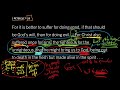
"Christ also suffered once for sins, the righteous for the unrighteous, that he might bring us to God. And what makes this worth looking at with such great attention is that it tells you how you know if you've been born again. Now you may not see that here but stick with me or it tells us what the great purpose of the death and the sufferings of Christ are." [00:39:84]
"Christ suffered. How central is that? We need to just pause sometimes and let the most common sayings give us a sense of profound seriousness about how central they are. Look at chapter 1 verse 11 the prophets inquired what person or time the spirit of Christ in them was indicating when he predicted the sufferings of Christ." [00:158:959]
"The point is simply that when it says Christ suffered, this is not only central to the book, it's central to the universe. So just constantly remind yourself my God sent his son to suffer he suffered he suffered we cannot think too long or deeply on the sufferings of Christ and he did it once, not many times which stresses how decisive and complete this suffering was." [00:221:68]
"Christ suffered once for all because his suffering did the work that needed to be done oh what a glorious truth that there is no repeated sacrifice not at the table of the mass or anywhere else Christ once for all has suffered and we get the benefit by looking to that and what happened when he suffered." [00:270:88]
"Namely a righteous one suffered for unrighteous this is us and this is Christ so he was perfectly righteous we are thoroughly unrighteous therefore we will never be able to be brought to God come to God except as judge unless someone somehow deals with our sins who has no sins and that's the mystery of the gospel." [00:297:28]
"Sweetest news in all the world is that one who was righteous and had no sins loves us and put himself forward to take our place the righteous for the unrighteous so the the heart I think it would be fair to say the heart of the gospel is substitution substitutionary atonement the righteous for the unrighteous." [00:336:4]
"Now what what are the benefits that come from the sufferings of Christ let's let's write them down do you want to be forgiven for your sins that was purchased forgiven do you want to be justified stand righteous and just before God you want to be free from wrath no wrath against us free from hell no hell escape from hell free from guilt glorious freedom from guilt." [00:389:6]
"All of this can be desired and lived for and died for by people who are not born again think of it you don't need to be born again to want to be forgiven you don't need to be born again to want to be justified you don't need to be born again to want to be free from hell and wrath and guilt and to have eternal life." [00:449:12]
"Being in love with forgiveness and justification and freedom from hell and guilt and wrath forever doesn't make you a Christian what what shows that you're born again is not that you want to be forgiven what shows that you born again is that you want to be with God God he died so that he might bring us to God." [00:488:8]
"The best evidence for being born again is not that you want to be forgiven or all the things the world wants but you want to be with God the world doesn't want to be with God they don't they don't love God they don't delight in God they don't take pleasure in God they get no satisfaction from God." [00:556:0]
"The evidence of being born of God is that we love God we delight in God so honor the sufferings of Christ and pray earnestly that God would awaken a delight in God satisfaction in God a desire to be with God." [00:581:44]
"Christ suffered once for sins the righteous for the unrighteous that he might bring us to God for our everlasting enjoyment which means that the the the best evidence for being born again is not that you want to be forgiven or all the things the world wants but you want to be with God." [00:545:279]
Ask a question about this sermon
"Christ suffered. How central is that? We need to just pause sometimes and let the most common sayings give us a sense of profound seriousness about how central they are. Look at chapter 1 verse 11 the prophets inquired what person or time the spirit of Christ in them was indicating when he predicted the sufferings of Christ." [00:158:959]
"The point is simply that when it says Christ suffered, this is not only central to the book, it's central to the universe. So just constantly remind yourself my God sent his son to suffer he suffered he suffered we cannot think too long or deeply on the sufferings of Christ and he did it once, not many times which stresses how decisive and complete this suffering was." [00:221:68]
"Christ suffered once for all because his suffering did the work that needed to be done oh what a glorious truth that there is no repeated sacrifice not at the table of the mass or anywhere else Christ once for all has suffered and we get the benefit by looking to that and what happened when he suffered." [00:270:88]
"Namely a righteous one suffered for unrighteous this is us and this is Christ so he was perfectly righteous we are thoroughly unrighteous therefore we will never be able to be brought to God come to God except as judge unless someone somehow deals with our sins who has no sins and that's the mystery of the gospel." [00:297:28]
"Sweetest news in all the world is that one who was righteous and had no sins loves us and put himself forward to take our place the righteous for the unrighteous so the the heart I think it would be fair to say the heart of the gospel is substitution substitutionary atonement the righteous for the unrighteous." [00:336:4]
"Now what what are the benefits that come from the sufferings of Christ let's let's write them down do you want to be forgiven for your sins that was purchased forgiven do you want to be justified stand righteous and just before God you want to be free from wrath no wrath against us free from hell no hell escape from hell free from guilt glorious freedom from guilt." [00:389:6]
"All of this can be desired and lived for and died for by people who are not born again think of it you don't need to be born again to want to be forgiven you don't need to be born again to want to be justified you don't need to be born again to want to be free from hell and wrath and guilt and to have eternal life." [00:449:12]
"Being in love with forgiveness and justification and freedom from hell and guilt and wrath forever doesn't make you a Christian what what shows that you're born again is not that you want to be forgiven what shows that you born again is that you want to be with God God he died so that he might bring us to God." [00:488:8]
"The best evidence for being born again is not that you want to be forgiven or all the things the world wants but you want to be with God the world doesn't want to be with God they don't they don't love God they don't delight in God they don't take pleasure in God they get no satisfaction from God." [00:556:0]
"The evidence of being born of God is that we love God we delight in God so honor the sufferings of Christ and pray earnestly that God would awaken a delight in God satisfaction in God a desire to be with God." [00:581:44]
"Christ suffered once for sins the righteous for the unrighteous that he might bring us to God for our everlasting enjoyment which means that the the the best evidence for being born again is not that you want to be forgiven or all the things the world wants but you want to be with God." [00:545:279]
Chatbot

-
I'm an AI bot trained specifically on the sermon from Jan 05, 2022. Do you have any questions about it?