Nov 18, 2026
Paul sat in chains, yet his letter overflows with names. He sends greetings from Aristarchus, Mark, and Justus. He calls them fellow workers for the kingdom of God. These men were more than acquaintances. They were partners who provided comfort and strength to Paul during his imprisonment. They shared the work and the weight of ministry.
These relationships were not casual. They were essential for perseverance. Jesus sent out his disciples two by two for this same reason. We are not designed to follow Christ in isolation. We need others who will walk with us, pray for us, and strengthen our hands for the work God has given us to do. Our faith is fortified in community.
You need these fellow workers. Who are the people God has placed around you? They are your allies in the faith, your source of encouragement for the tasks ahead. Identify one person who has been a fellow worker to you. How will you express your gratitude for their partnership this week?
Greet Aristarchus my fellow prisoner and Mark the cousin of Barnabas (concerning whom you have received instructions—if he comes to you, welcome him), and Jesus who is called Justus. These are the only men of the circumcision among my fellow workers for the kingdom of God, and they have been a comfort to me.
(Colossians 4:10–11, ESV)
Prayer: Thank God for one specific person who has encouraged you in your faith.
Challenge: Send a text to that person today, naming one way they have been a comfort to you.
Paul highlights one man, Epaphras. He is always struggling on your behalf in his prayers. The original language paints a picture of intense effort, like an athlete straining to win a contest. Epaphras did not offer casual, polite prayers. He wrestled. He labored. He invested his energy into asking God to make the Colossians stand mature and fully assured in all the will of God.
This kind of prayer is work. It is a ministry. Jesus himself often spent whole nights in prayer. Epaphras followed this example. He understood that the most significant battles are won on our knees. His primary contribution to the church was not his preaching or his plans, but his passionate intercession.
Your prayer life can be this powerful. It can be a struggle that brings about maturity and assurance in others. It is a tangible way to love and serve your church. Who is one person God is calling you to labor for in prayer this week?
Epaphras, who is one of you, a servant of Christ Jesus, greets you, always struggling on your behalf in his prayers, that you may stand mature and fully assured in all the will of God. For I bear him witness that he has worked hard for you and for those in Laodicea and in Hierapolis.
(Colossians 4:12–13, ESV)
Prayer: Ask God to give you the same fervency for prayer that Epaphras had.
Challenge: Set a timer for five minutes today to pray solely for the spiritual maturity of one other believer.
Paul turns his attention to Archippus. He delivers a direct and public charge: See that you fulfill the ministry that you have received in the Lord. This was not a suggestion. It was a sober reminder of a responsibility Archippus had already been given. Paul urged him to see it through to completion, to fully carry out the work assigned to him.
Jesus gave his disciples a ministry to fulfill. He said, "Go therefore and make disciples." Paul himself would later say, "I have finished the race." This charge to Archippus is a charge to every believer. God has entrusted each of us with a unique calling and sphere of influence. Our task is to be faithful to it.
You have received a ministry. It may be large or small, public or private, but it is yours from the Lord. What specific task has God given you that requires renewed focus and faithfulness to complete?
And say to Archippus, “See that you fulfill the ministry that you have received in the Lord.”
(Colossians 4:17, ESV)
Prayer: Confess to God any areas where you have neglected the ministry He has given you.
Challenge: Write down one specific step you will take this week to move forward in your God-given ministry.
Paul concludes his letter with a personal and poignant request: Remember my chains. He was not asking for pity. He was asking for solidarity. The chains were a reality of his obedience to Christ. Remembering them meant remembering the cost of discipleship and the truth for which Paul was suffering. It was a call to identify with his mission.
The early church remembered the chains of its apostles. They prayed for them and supported them. They understood that their freedom in Christ was connected to the suffering of their brothers and sisters. To remember the chains is to remember that following Jesus has a cost, and we are called to bear one another's burdens.
Who in the body of Christ is suffering for their faith or enduring a difficult season? How can you remember them and their struggle, demonstrating that they are not alone?
I, Paul, write this greeting with my own hand. Remember my chains. Grace be with you.
(Colossians 4:18, ESV)
Prayer: Ask God to bring to your mind a brother or sister in Christ who needs your prayers today.
Challenge: Reach out to one person who is walking through a trial and tell them you are remembering them in prayer.
Paul’s instructions to the Colossians were not meant for them alone. He tells them, when this letter has been read among you, have it read also in the church of the Laodiceans. He also instructs them to read the letter coming from Laodicea. Paul envisioned his words circulating, strengthening multiple churches. The truth was meant to be shared.
This reflects the heart of God. The gospel is not a private possession. It is a communal treasure to be exchanged and enjoyed together. The early church devoted themselves to the apostles' teaching, sharing it widely. They understood that God’s Word builds up everyone who hears it.
You have been encouraged by God’s Word. Who in your life needs to hear the same truth that has strengthened you? How can you actively share the encouragement you have received?
And when this letter has been read among you, have it also read in the church of the Laodiceans; and see that you also read the letter from Laodicea.
(Colossians 4:16, ESV)
Prayer: Ask God to show you one person with whom you can share a Scripture that has encouraged you.
Challenge: Read a verse from your devotions this week to a friend or family member today.
Colossians 4:10–18 closes with greetings, shared labor, prayer, and a charge to continue serving Christ faithfully. Aristarchus, Mark, and Justus are named as fellow workers who brought encouragement to Paul. Epaphras labored intensely in prayer, asking God to make the Colossian believers mature and fully assured in His will. Luke and Demas also send greetings. The churches are urged to share Paul’s letters, Archippus is charged to fulfill the ministry he received from the Lord, and Paul asks the believers to remember his chains as he extends grace to them.
These final words show that Christian faithfulness is lived out together. Believers need relationships that strengthen them for service: companions who listen, encourage, share burdens, and spur one another toward Christ. Such fellowship grows through time spent in Scripture, prayer, worship, service, and ordinary life. Strong Christian community does not merely provide comfort; it helps each person persevere in faithful obedience.
Epaphras offers a model of persistent, purposeful prayer. His intercession seeks more than relief from difficulty; it asks for believers to grow mature and understand God’s will. Prayer shaped by Scripture brings specific needs before God with humility, discernment, and endurance. Even when answers are delayed or prayer feels tiring, intercession remains a vital part of serving the church and seeking God’s purposes.
The closing charge also calls believers to share the truth about Christ and complete the ministry entrusted to them. Cultural resistance, hardship, or weariness must not displace the work of making Christ known in word and deed. Each believer has a calling within Christ’s body, and faithfulness means using present opportunities to serve, encourage, and tell others of the grace found in Jesus. With Christ treasured above all and eternal hope in view, believers can persevere without losing heart. The passage urges the church to keep serving, praying, and strengthening one another until the work is complete.
“Healthy connections fortify us for living faithfully; we all need encouragers who walk alongside us.”
“Our efforts today, empowered by the Holy Spirit living within, will have an eternal impact.”
“Allow Scripture to direct your prayers to align with God’s perfect will.”
“Persistent prayer ushers in glimpses of kingdom glory on earth as in heaven.”
“May neither complacency nor hardships deter us from sharing and showing the grace we’ve received.”
“We need to seize openings to share Christ’s freedom and disciple others.”
“Refuse to simply consume—join the Holy Spirit in what He is doing around you.”
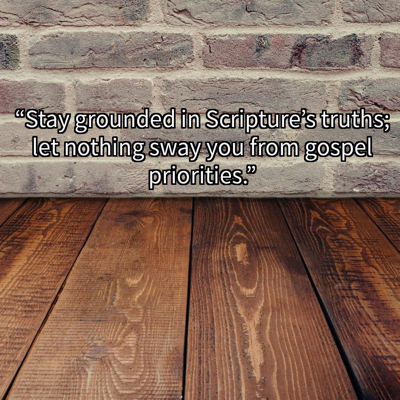
“Stay grounded in Scripture’s truths; let nothing sway you from gospel priorities.”
Hi, I'm an AI assistant for the pastor that gave this sermon. What would you like to make from it?
Add this chatbot onto your site with the embed code below
<iframe frameborder="0" src="https://pastors.ai/sermonWidget/sermon/christian-community-real-colossians-4-10-18" width="100%" height="100%" style="height:100vh;"></iframe>Copy