James and John approached Jesus with a bold request. They asked for the seats of honor at His right and left in His glory. They wanted prestige and power. The other ten disciples heard about this and became indignant. They were angry because they wanted those positions for themselves.
Jesus called them all together. He explained that worldly rulers lord their authority over people. But His followers must not operate that way. Whoever wants to be great must become a servant. Whoever wants to be first must become a slave to all. Jesus then revealed the ultimate model for this servant leadership. He said the Son of Man came not to be served, but to serve, and to give His life as a ransom for many.
Jesus used the word "ransom" deliberately. It meant a payment to free a captive. He was describing His mission to free humanity from slavery. His death would be the price paid for our release. This truth changes everything about how we see ourselves and our purpose. What area of your life feels most like captivity today?
“For even the Son of Man did not come to be served, but to serve, and to give his life as a ransom for many.”
(Mark 10:45, NIV)
Prayer: Thank God for initiating your rescue by sending Jesus to pay your ransom.
Challenge: Write down one specific thing you are grateful to be free from because of Jesus.
Jesus told His disciples He would give His life as a ransom. The Greek word for ransom is lutron. It described the price paid to free a prisoner or a slave. This word painted a powerful picture of Christ's work on the cross. He paid the costly price to purchase our freedom from captivity.
We were all slaves to sin, death, and evil. The Bible describes this as being enslaved by passions, pleasures, malice, and envy. We were trapped in patterns we could not break. Jesus saw our helpless state. He did not come to be served by us. He came to serve us by paying the debt we could never pay Himself.
The cost was His very life. This was not a theoretical transaction. It was a painful, sacrificial death. God loved the world so much that He gave His one and only Son. This payment secures our freedom from sin's power and its eternal consequences. Where do you see the lingering effects of your old life of slavery?
“For there is one God and one mediator between God and mankind, the man Christ Jesus, who gave himself as a ransom for all people.”
(1 Timothy 2:5–6, NIV)
Prayer: Confess to God one specific pattern of sin you feel enslaved to and ask for His freeing power.
Challenge: Identify one habit that reflects your old life and choose one action that reflects your new freedom today.
Jesus paid a ransom He did not owe for a debt we could not pay. We did nothing to earn this redemption. We were passive recipients of a grace we desperately needed. This profound truth should ignite a deep sense of gratitude within us. Our natural response should be thankfulness.
This gratitude is not just a feeling. It moves us to action. It compels us to live a life that honors the one who freed us. We express our thanks through our words, our worship, and our choices. We live as people who have been bought at a great price, and we belong to God.
Think of the three aliens in Toy Story who were saved by Mr. Potato Head. Their constant refrain was, "You have saved our lives; we are eternally grateful." Our refrain to God should be the same, echoed in how we live each day. What is one creative way you can express your gratitude to God this week?
“It is for freedom that Christ has set us free. Stand firm, then, and do not let yourselves be burdened again by a yoke of slavery.”
(Galatians 5:1, NIV)
Prayer: Ask God to make you aware of His grace today and to fill your heart with thankful praise.
Challenge: Tell one person today about something specific Jesus has freed you from.
Jesus commanded His followers to serve others. He modeled this by giving His life as a ransom. Our redemption was not meant to be hoarded. We are called to share the good news of this freedom with those still in captivity. We extend the same forgiveness we received.
This means looking for opportunities to serve people sacrificially. It means pointing them toward the One who can truly set them free. Our lives become a living advertisement for the redemption found in Christ. We are freed to be freedom-bringers.
Who has God placed in your life that needs to hear this message? Who is He inviting you to serve with the love of Christ? This is the practical outworking of the ransom Jesus paid for you. Who is one person you know who needs to experience the freedom Jesus offers?
“Be kind and compassionate to one another, forgiving each other, just as in Christ God forgave you.”
(Ephesians 4:32, NIV)
Prayer: Pray for one person by name, that God would use you to show them His freeing love.
Challenge: Send an encouraging text or make a phone call to that person today.
Sometimes we live like captives even after we are free. Old mental scripts and lies can keep us in bondage. We must partner with the Holy Spirit to renew our minds. We must replace lies about our identity with the truth of our redemption.
This involves a conscious effort. Identify the areas where you feel stuck. Ask yourself if you truly believe Christ has freed you from them. Then find Bible verses that declare God's truth about your freedom. Memorize them and speak them out loud when the old lies surface.
This is how we practically walk in the freedom Jesus purchased. We choose to believe what God says is true over what we feel. We stand firm in our ransomed identity. What is one lie you tell yourself that contradicts the truth of your freedom in Christ?
“Do not conform to the pattern of this world, but be transformed by the renewing of your mind.”
(Romans 12:2, NIV)
Prayer: Ask the Holy Spirit to reveal one lie you believe and replace it with His truth.
Challenge: Write one Bible verse about freedom on a notecard and read it aloud three times today.
Four close-up images of the eye introduced a key pattern: single images reveal truth but never the whole picture. The New Testament uses multiple metaphors to describe what happened on the cross for the same reason—each image captures a facet of a vast, costly rescue. Mark 10 frames one of those facets when two brothers demand places of honor and the others bristle; Jesus contrasts worldly ambition with the kingdom ethic of service and then explains the deeper purpose of his coming. The title Son of Man appears with a purpose: not to be served but to serve and to give his life as a ransom for many.
The Greek word lutron, rendered ransom or redeem, evokes payment to free a captive or slave. Scripture consistently uses redemption language to describe God’s action in rescuing people from bondage; here the bondage is to sin, death, and the patterns that enslave human hearts—addiction, shame, fear, and broken behaviors that keep people stuck. The ransom imagery highlights three gospel realities: God initiates the rescue; Jesus’s servanthood and sacrificial giving effect the rescue; and the cost is real—freedom is purchased by life given, not by human achievement.
The text also presses practical consequences. Ransom leads naturally to gratitude because freedom was neither earned nor cheap. Ransom obliges sharing the gospel and practical service so others might taste that freedom. Ransom calls for a renewed mind: many who are legally free remain mentally captive to old lies, so discipleship requires identifying those lies, replacing them with Scripture, and practicing new truths in daily rhythms. Personal illustration of perfectionism shows how a memorized biblical truth—God’s sufficient grace—can interrupt shame and reorient identity. The passage ends with an urgent invitation: the captivity was real, the ransom effected liberation, and living in that freedom involves gratitude, service, and intentional renewal of thought.
Each one of those pictures shows you something about the eye, but none of them tell the whole story.
The Bible gives us a number of different pictures, and each one is true.
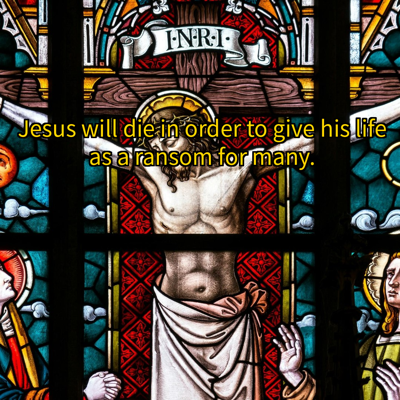
Jesus will die in order to give his life as a ransom for many.
He came to ransom us, to purchase our salvation through his death on the cross.
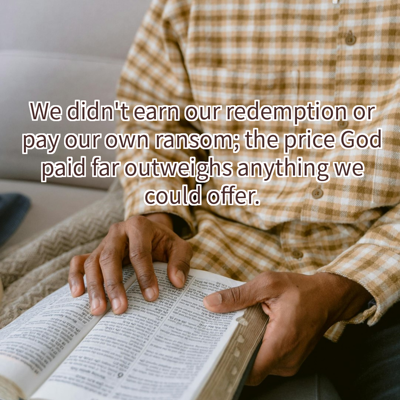
We didn't earn our redemption or pay our own ransom; the price God paid far outweighs anything we could offer.
Jesus paid the ransom for us so that we can be free.
We may need to change our mindset and actually start to think like people who are free.
Replace those lies with what God says is true about you.
Hi, I'm an AI assistant for the pastor that gave this sermon. What would you like to make from it?
Add this chatbot onto your site with the embed code below
<iframe frameborder="0" src="https://pastors.ai/sermonWidget/sermon/christ-ransom-freedom" width="100%" height="100%" style="height:100vh;"></iframe>Copy