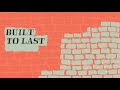
Jesus stands at Caesarea Philippi and shapes the identity, mission, and confidence of the community that bears his name. In a place thick with pagan rites, fertility cults, and a cave called the Gates of Hades, the question “Who do you say that I am?” becomes the decisive confession for the people he is building. The confession that Jesus is the Messiah — the Son of the living God — is not merely doctrinal assent but the living rock upon which a holy assembly is formed. Peter’s name, Petros, and Jesus’ declaration of a greater petra show a deliberate contrast: human instruments are useful and vulnerable, but Christ alone is the immovable foundation and chief cornerstone.
That foundation guarantees the church’s endurance. The imagery of gates and underworld superstition in that location underlines the claim that spiritual powers will resist, but they will not prevail. The church is described not as a defensive, scared minority but as an advancing force empowered to pull people out of darkness. Authority is then entrusted to the church in the form of “keys” and the language of binding and loosing — not as a license to invent heaven’s will, but as permission to declare and enact what God has already decreed, to preach judgement and grace, to bind sin and loose mercy through the Spirit’s power.
The word ekklesia reframes the institution: church always names people called out for God’s purposes, not property or programs. The apostles, prophetic teaching, and Christ himself form the apostolic foundation, but the confession of Christ’s messiahship is the essential foundation. The practical call follows: know who the church is, know whose it is, know why it exists, and therefore know no fear. Opposition, hardship, and even betrayal are real, yet the kingdom’s offensive momentum and Christ’s victory mean believers can live bold, sacrificially missional lives — declaring truth, exercising spiritual authority responsibly, and embodying Christ so that neighbors see God before they see institutions.
Key Takeaways
- 1. Jesus is the immovable foundation [01:06:14] The play on Petros and petra makes clear that Jesus is the unshakeable rock beneath any human contribution. Confessing him as Messiah anchors the community’s hope in a person, not a program. When leaders fail, the foundation stands; worship and fidelity must always re-center on him. [66:14]
- 2. The church is called-out people [01:09:12] Ekklesia names a gathered, summoned people, not a building or a club. Identity flows from being called by Christ and living under his rule, which reshapes daily posture, priorities, and how relationships are ordered. The true measure of a congregation is how it reflects God’s character, not how polished its programs are. [69:12]
- 3. Death cannot destroy the church [01:14:28] Speaking from the very place associated with underworld rites, the claim that the gates of Hades will not prevail is strategic and sure. Opposition may assault and sometimes overcome individuals, but the corporate work God is doing through Christ advances inexorably. That confidence frees courageous witness and sacrificial engagement in hostile environments. [74:28]
- 4. Believers share Christ's authority [01:20:01] The “keys” and binding/loosing language entrusts the church to declare and administer realities already established in heaven. This is not autonomous power but participatory stewardship: preaching repentance, pronouncing forgiveness, and praying with expectant faith. Such authority calls for humility, discernment, and fidelity to revealed truth. [80:01]
Youtube Chapters
- [00:00] - Welcome
- [29:52] - Opening Praise and Prayer
- [41:36] - Reading: Matthew 16:13–20
- [43:15] - Historical Context: Caesarea Philippi
- [52:04] - "Son of Man" and Daniel Background
- [59:18] - Messiah: Meaning of Mashiach/Christ
- [63:51] - Petros vs. Petra: Foundation Explained
- [74:28] - "Gates of Hades" and the Church's Victory
- [80:01] - Keys, Binding, and Loosing Explained
- [86:27] - Four Practical Applications for Believers
- [89:52] - Closing Prayer and Invitation